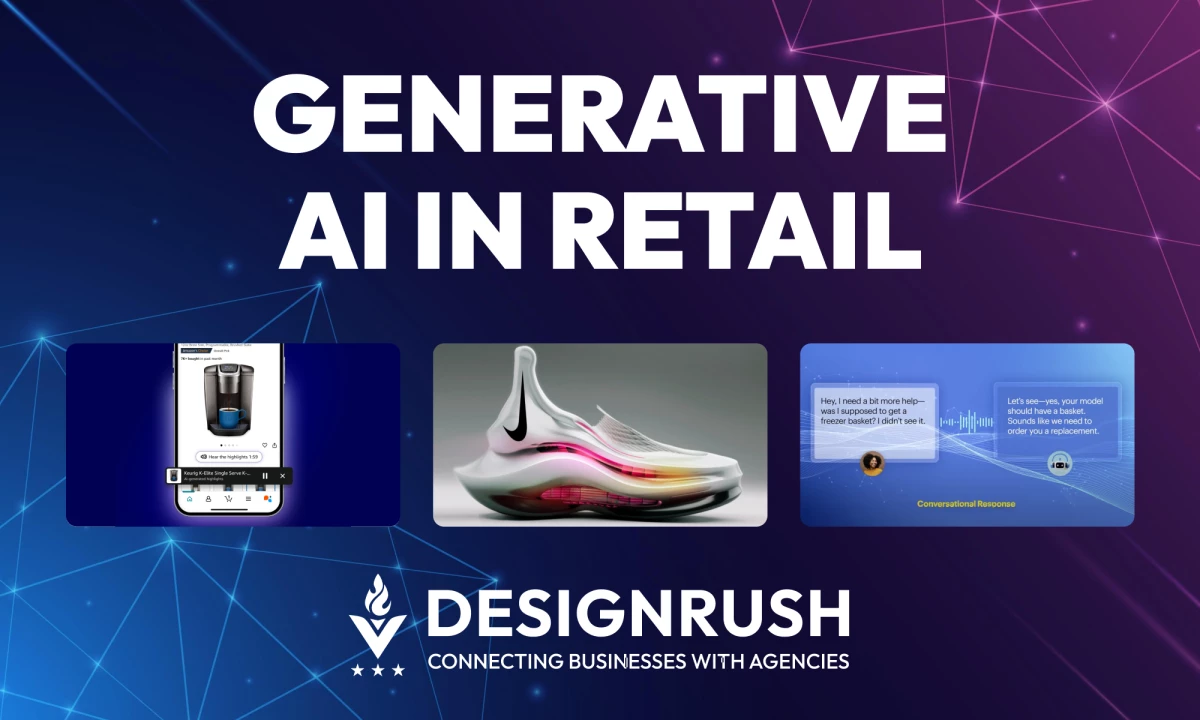

Generative AI is reshaping retail, from customer engagement to operations. Let’s break down the key strategic use cases where generative AI is driving real impact in the retail industry.
Generative AI in Retail: Key Points
- Gen AI could add $400–$660B in annual value to the retail sector by increasing productivity by 1.2–2.0%, driven by applications in customer service, marketing, design, and operations.
- Best Buy, Carrefour, and Michaels saw major gains — email CTR up 25% and call handling time cut by 30–90 seconds — by automating content creation, virtual assistants, and customer service.
- With 81% of retail execs budgeting for AI, agencies need to upskill; yet only 39% offer formal AI training, despite 76% of workers saying they need AI skills for competitiveness.
Generative AI in Retail: An Overview
The retail sector stands to gain significantly from generative AI. McKinsey estimates it could boost productivity in retail and CPG by 1.2–2.0%, adding $400–$660 billion in value annually.
We break down the key trends and use cases shaping adoption and impact across the industry.
Generative AI in Action: Real-World Use Cases for Retail Leaders
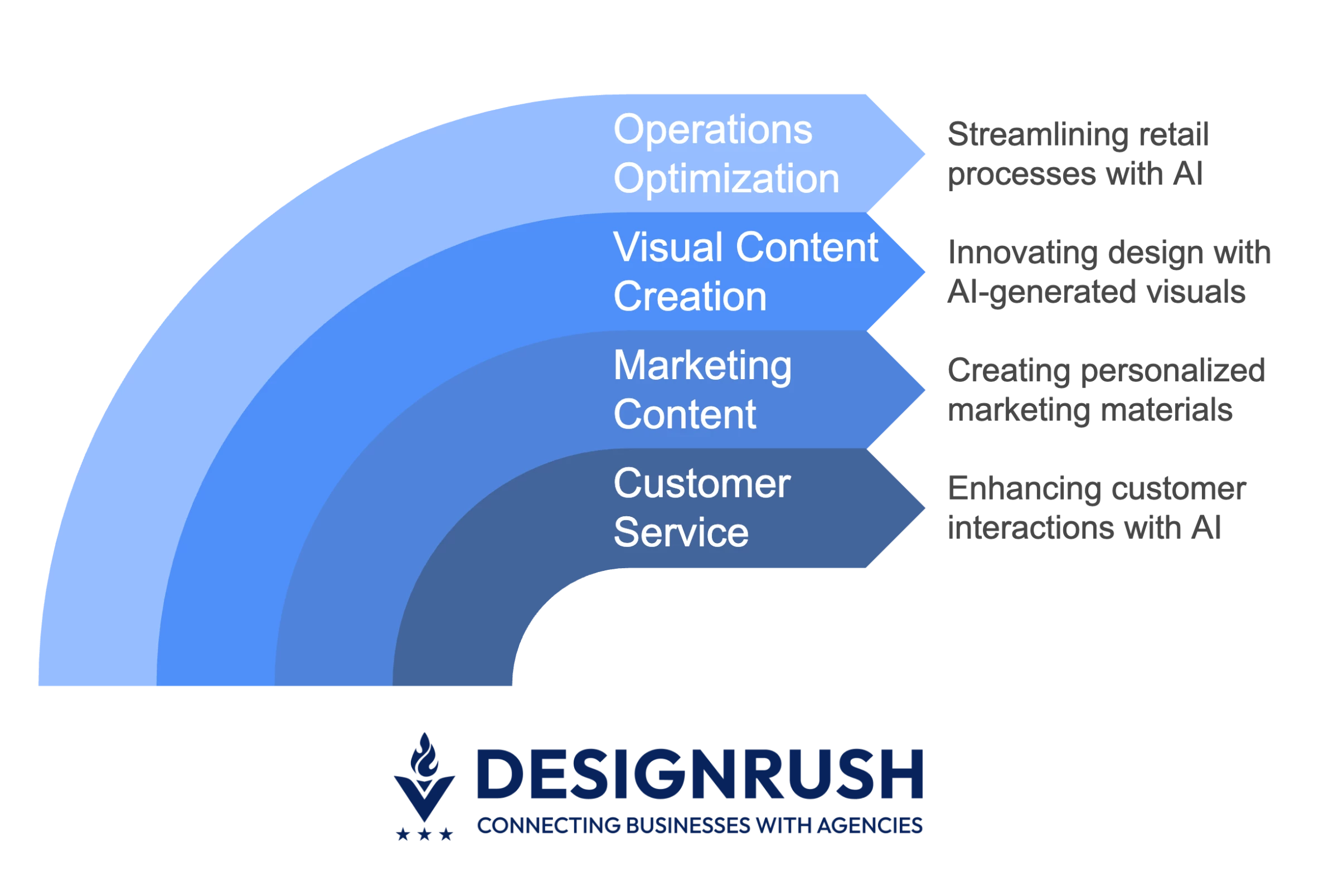
Retailers are rapidly adopting generative AI to improve customer experience, streamline operations, and boost marketing performance. Here’s how leading brands are using it today
- AI-powered customer service and virtual shopping assistants
- Personalized marketing content and product descriptions
- Visual content creation and design innovation
- Supply chain, planning, and operations optimization



1. AI-Powered Customer Service and Virtual Shopping Assistants
One of the most visible impacts of generative AI in retail is the rise of AI chatbots and virtual shopping assistants that can converse naturally with customers. Traditional retail chatbots were often rule-based and limited to canned responses.
Now, large language models (LLMs) enable far more sophisticated virtual agents, capable of understanding complex queries and providing personalized assistance 24/7.
Salesforce highlights that customer service is the top area where retailers plan to use generative AI, with many aiming to augment human agents with AI or deploy full self-service assistants.
Here are real-world examples of AI in customer service and virtual shopping:
- Carrefour's Hopla makes shopping more personalized
- Best Buy uses Gemini to provide omnichannel services
- Amazon is experimenting with voice-based generative AI
1.1 Carrefour's Hopla Makes Shopping More Engaging and Personalized
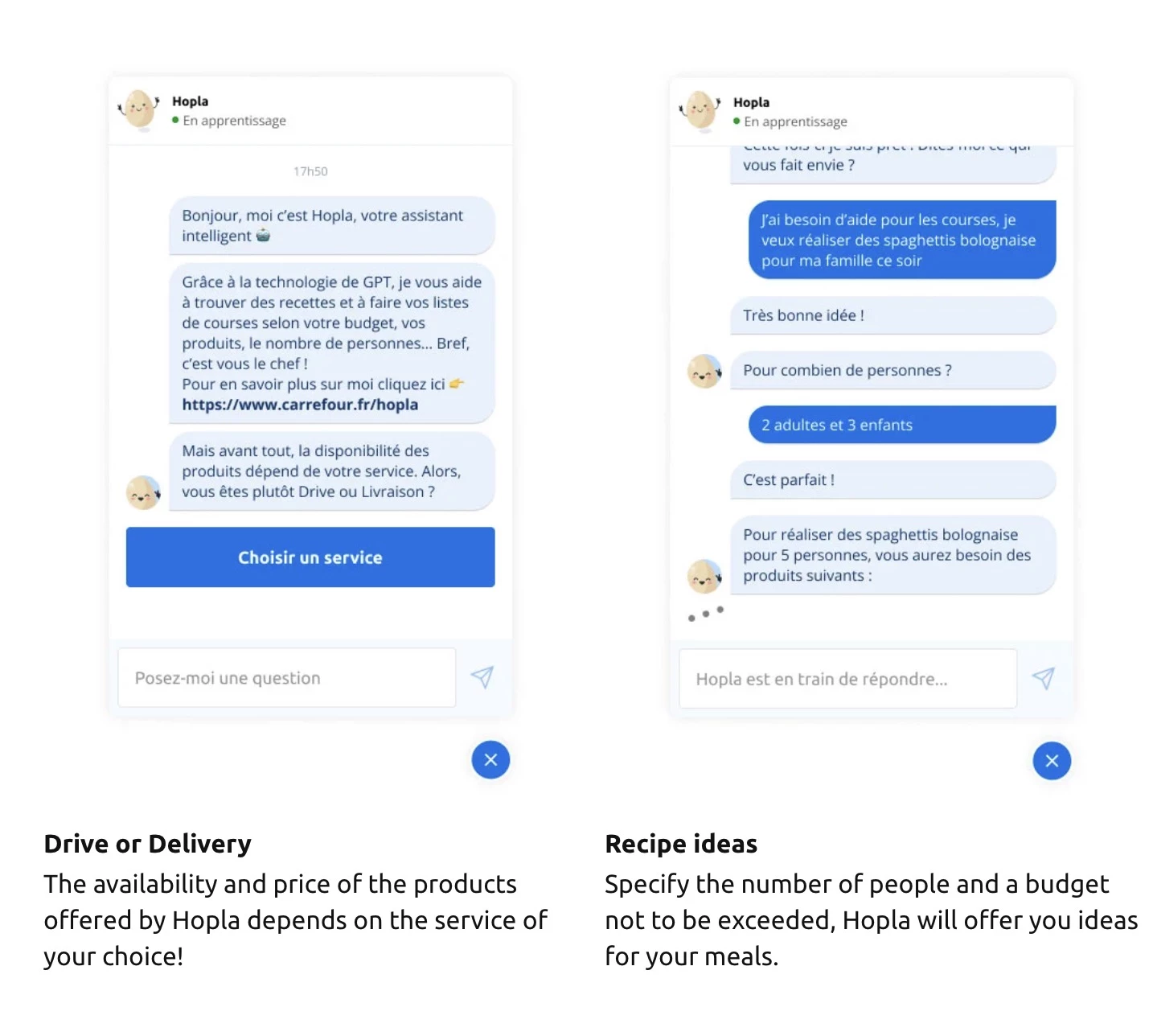
Carrefour launched “Hopla,” a GPT-powered assistant on its website and app, designed to act as a smart concierge for shoppers.
Customers can ask questions like, “I want to cook spaghetti bolognese for 2 adults and 3 kids tonight — what ingredients do I need?” and Hopla will interactively build a shopping list, suggest products, and even allow one-click addition of all items to the cart.
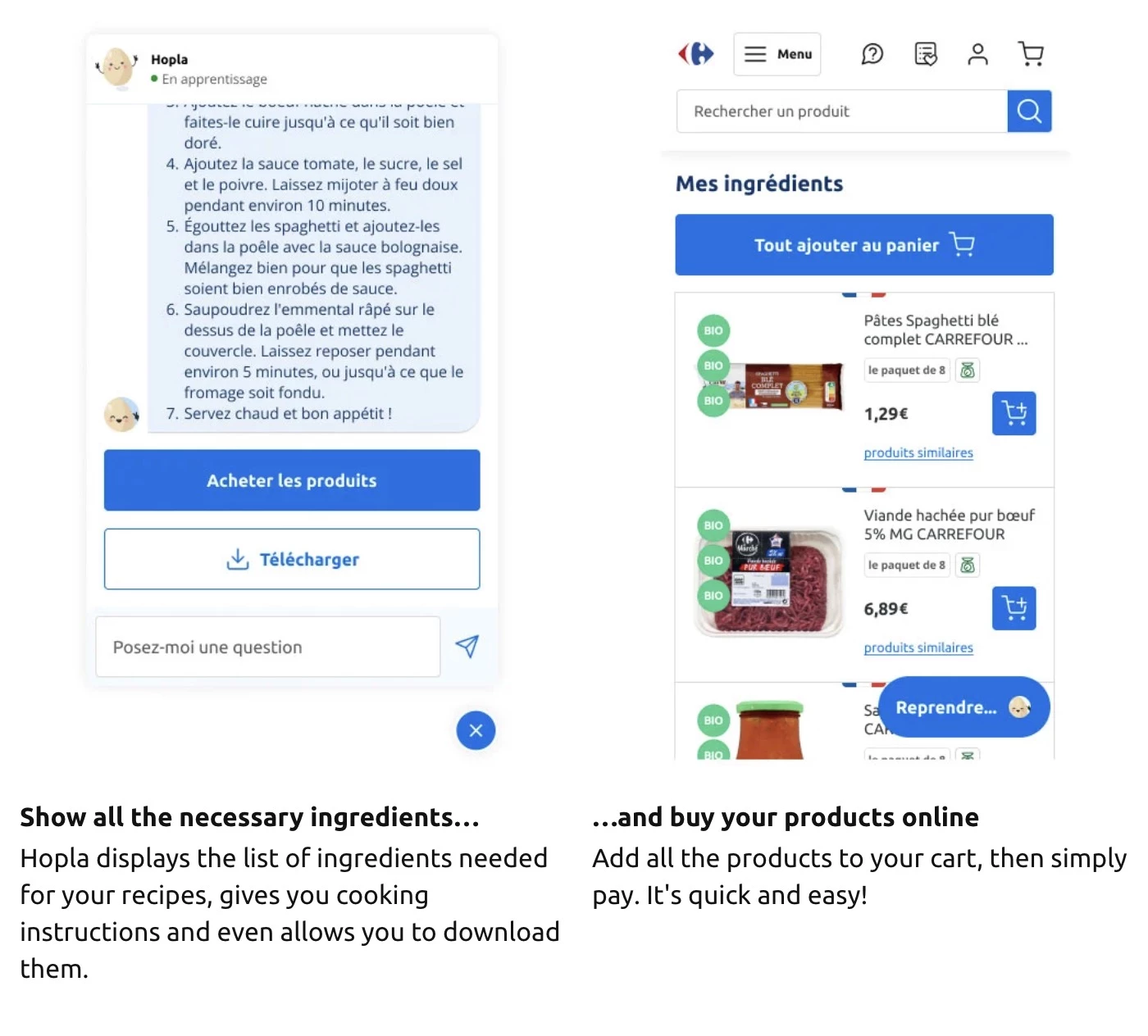
This level of natural dialogue, powered by generative AI, makes the shopping journey more engaging and highly personalized. Hopla provides prompt, reliable support across products, services, and store info, improving the overall customer experience.
1.2. Best Buy Uses Gemini To Provide Omnichannel Services
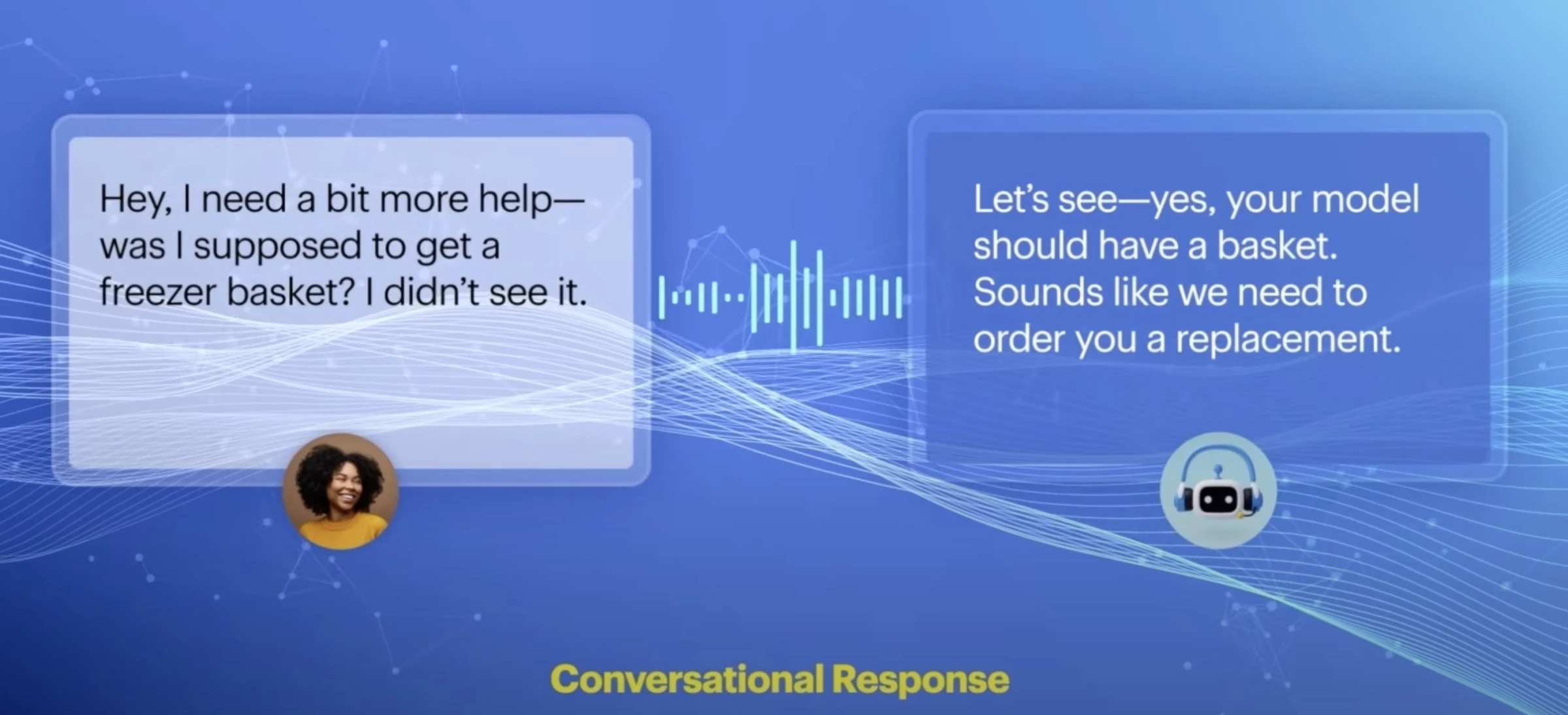
Best Buy is integrating Google’s Gemini to troubleshoot electronics issues, help reschedule deliveries, manage service subscriptions, and answer product questions. In parallel, Best Buy’s human support agents are gaining AI tools like real-time call summarization to serve customers more efficiently.
Early results are promising as AI-generated summaries cut call handling times by 30–90 seconds, freeing agents to focus on solving the customer’s problem. The goal is an omnichannel customer service experience where AI handles routine inquiries or tasks, while human staff focus on complex or high-value interactions.
1.3. Amazon Is Experimenting With Voice-Based Generative AI
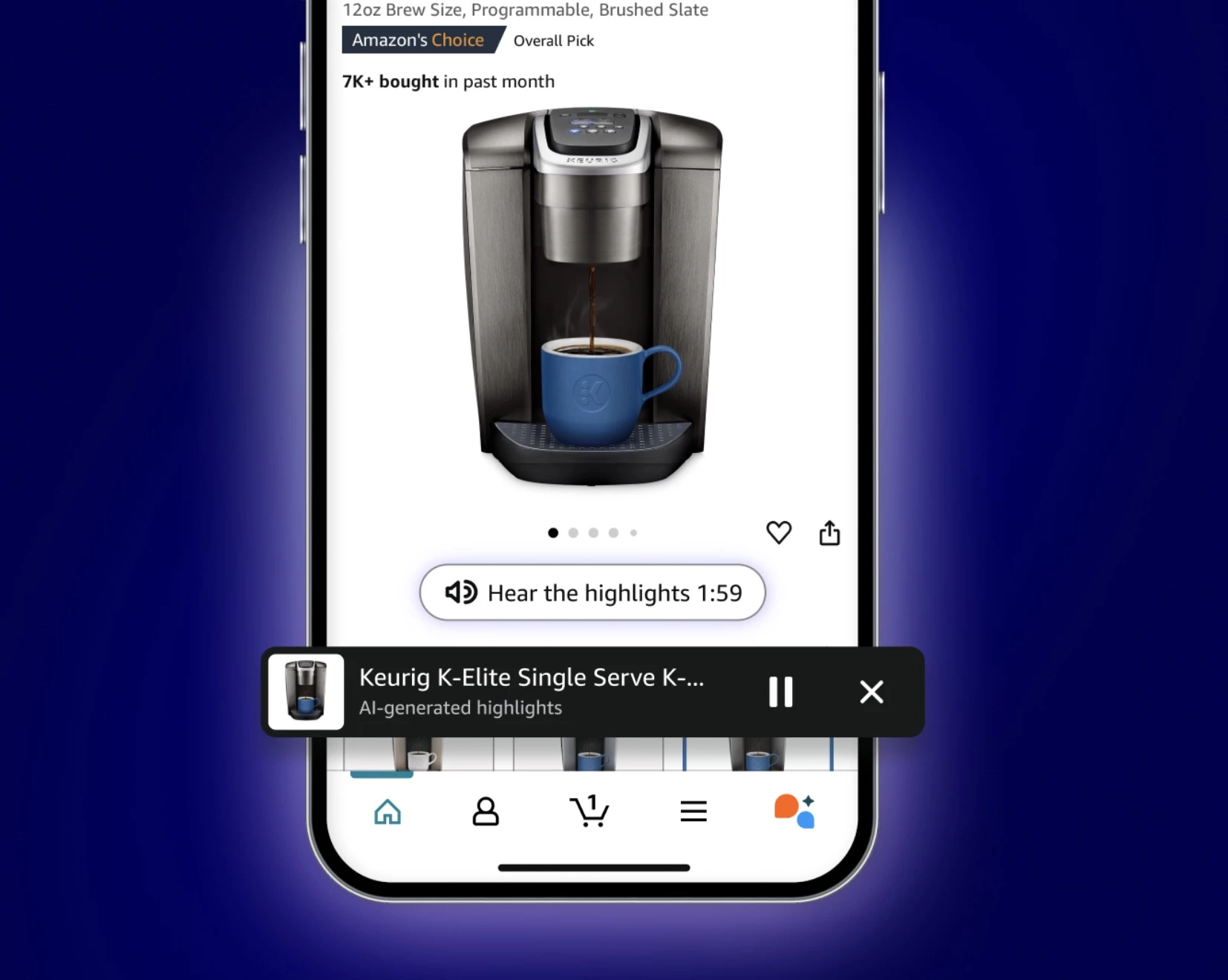
Amazon has piloted an “AI shopping expert” that can verbally answer product questions via its app. And in 2024, Amazon began testing an AI-powered audio feature that synthesizes product review summaries into short podcasts, so customers can hear a quick rundown of pros and cons for a product.
This novel use of generative AI takes the technology beyond text, potentially making online shopping more interactive and accessible. Just imagine listening to product highlights while multitasking.
2. Personalized Marketing Content and Product Descriptions
Generative AI’s talent for producing human-like text at lightning speed is a game changer for retail marketing and merchandising content.
AI text generators can now shoulder much of this workload, creating drafts in seconds. This helps retailers keep content fresh and tailored and frees up human writers for higher-level creative tasks. Here are some specific applications:
2.1. Automated Product Descriptions Made Simple
Generative AI can take manufacturer-provided specs or long descriptions and summarize them into concise, customer-friendly blurbs.
Shopify, for example, has integrated its AI tool, Shopify Magic, directly into its platform, enabling merchants to instantly generate product descriptions tailored to their preferred tone and style.
2.2. Dynamic Marketing Copy and Personalization To Boost CTR
Retailers can prompt AI models to create multiple variants of email headlines, social posts, or ad copy tailored to different customer segments — like emphasizing exclusivity for high spenders or budget deals for value shoppers.
A crafts store chain Michaels Stores used generative AI to analyze how different customer segments respond to various messages and then adjust campaign wording accordingly.
As a result, it scaled personalized emails from 20% to 95%, increasing email click-through rates by 25%.
3. Visual Content Creation and Design Innovation
Generative AI opens up exciting possibilities for visual merchandising, product design, and creative advertising. AI image generators can produce high-quality visuals from a simple prompt.
Here are real-world examples of AI visual content creation and design innovation:
- Levi’s uses AI-generated models to promote product diversity
- Coca-Cola and BMW use Gen AI for creative brainstorming
- Nike and Adidas use AI for product research and customization
3.1. Levi’s Uses AI-Generated Models To Promote Product Diversity
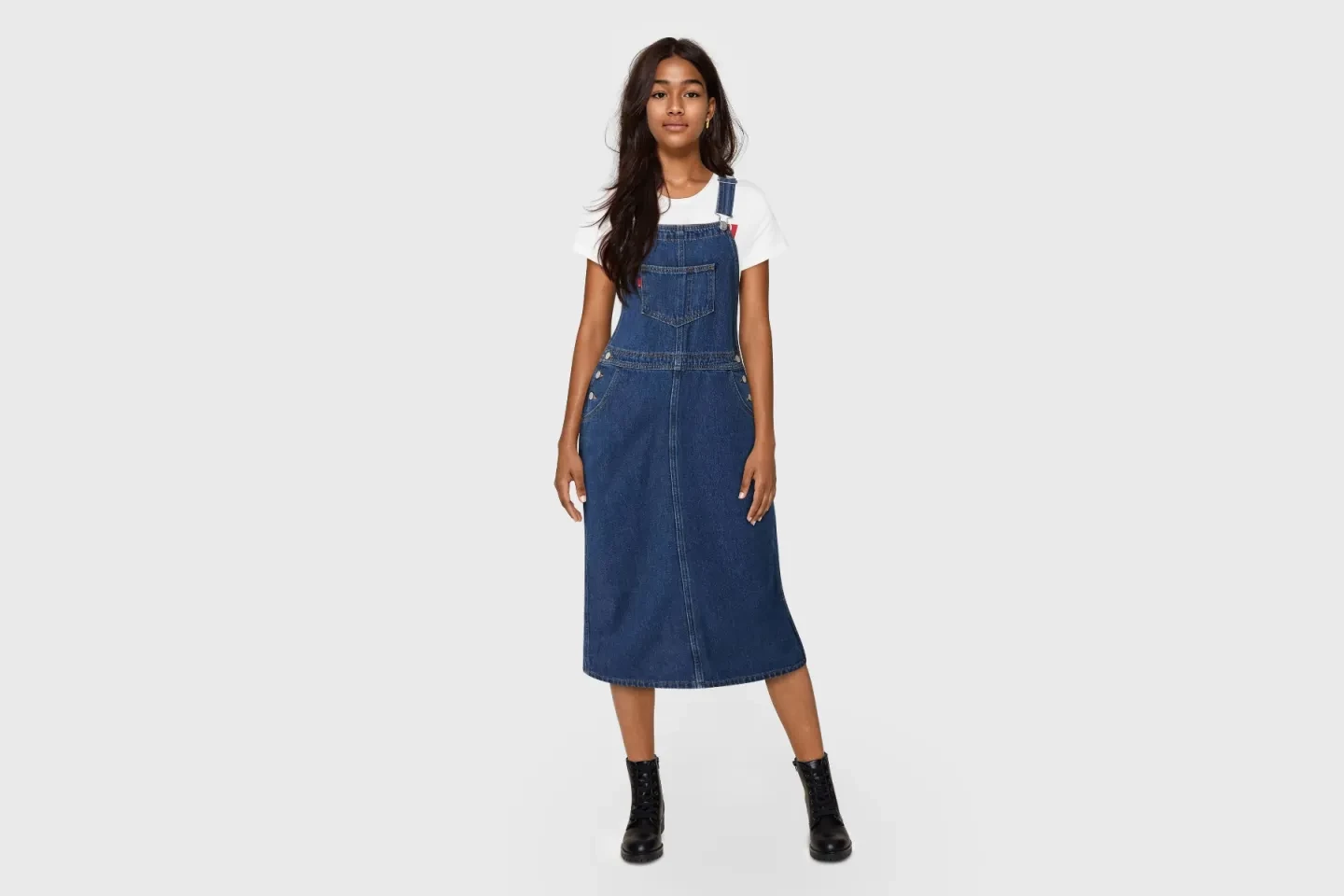
Levi’s, the denim brand, announced tests of AI-generated fashion models to supplement human models in their product photography. By using AI to generate diverse models of different body types and ethnicities wearing the clothes, Levi’s aimed to show customers a wider range of how products look — without an extensive photoshoot for each variation.
3.2. Coca-Cola and BMW Use Gen AI for Creative Brainstorming
Coca-Cola invited consumers and artists to use generative image tools to remix its iconic imagery into new art — an initiative called “Create Real Magic.” This produced novel Coke-themed visuals via AI, later featured in their marketing.
BMW also tapped generative AI to create unique artworks for an ad campaign background. This illustrates how agencies and in-house creative teams might collaborate with AI: the AI can provide an endless stream of quick concepts or variations, which human creatives can then curate, adapt, and refine.
3.3. Nike and Adidas Use AI for Product Research and Customization
In retail sectors like apparel and footwear, AI can generate new design patterns or even entire product concepts based on trends and customer preferences. A footwear designer could ask an AI image model to “generate 50 sneaker design concepts mixing 1990s retro styles with futuristic elements” as inspiration.
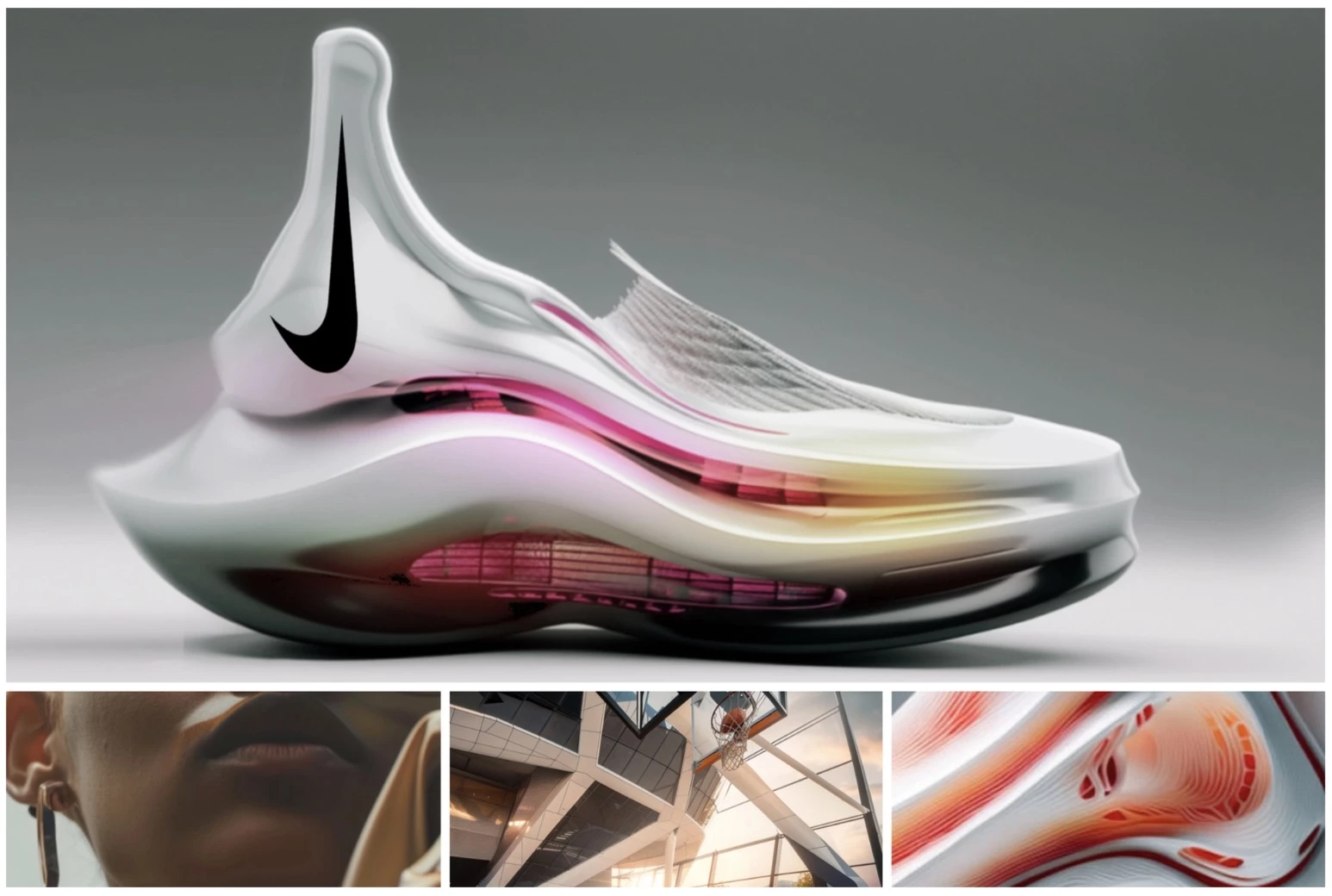
Companies like Nike and Adidas have experimented with AI-generated design to augment their designers’ creativity. While a lot of this is experimental, it showcases how generative models can fuel innovation by suggesting designs that humans might not immediately envision.
4. Supply Chain, Planning and Operations Optimization
Predictive AI has long been used for demand forecasting and inventory optimization. Now, generative AI adds a new layer; it can negotiate, generate reports, and support decision-making, helping streamline complex operational tasks.
Walmart’s AI Chatbot Closes Deals With 64–68% of Suppliers
The retail giant Walmart deployed an AI chatbot, developed by startup Pactum AI, to negotiate routine contracts with small-to-medium suppliers. The chatbot discusses pricing and purchase autonomously, aiming to accelerate and standardize vendor negotiations.
Impressively, the AI negotiator has been very effective. It successfully reaches agreements in 64–68% of cases, well above its original 20% target. In fact, Walmart says 75% of vendors actually prefer negotiating with the AI over a human buyer, finding it faster and more transparent.
Top AI Trends Shaping the Future of Retail
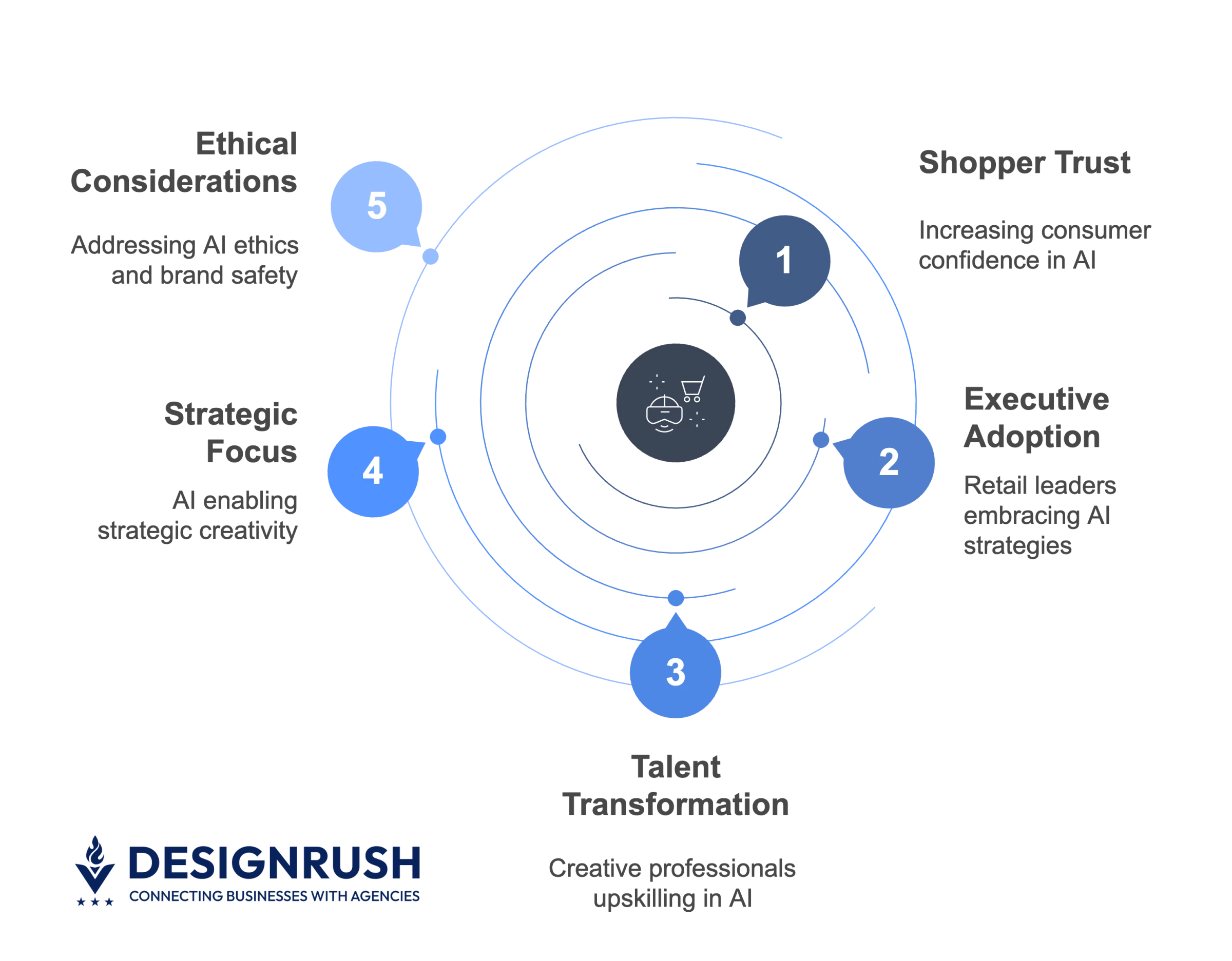
As generative AI rapidly evolves, its impact is rippling across not just internal retail operations but the broader ecosystem, including the creative and agency sectors retailers rely on.
From new service models to shifting creative workflows, here are 5 key trends that signal the future direction of AI-enhanced commerce:
- More and more shoppers trust AI
- Retail execs embrace generative AI
- Talent transformation in creative services
- AI frees professionals to focus on strategic creativity
- Addressing AI ethics and brand safety concerns
1. More and More Shoppers Trust AI
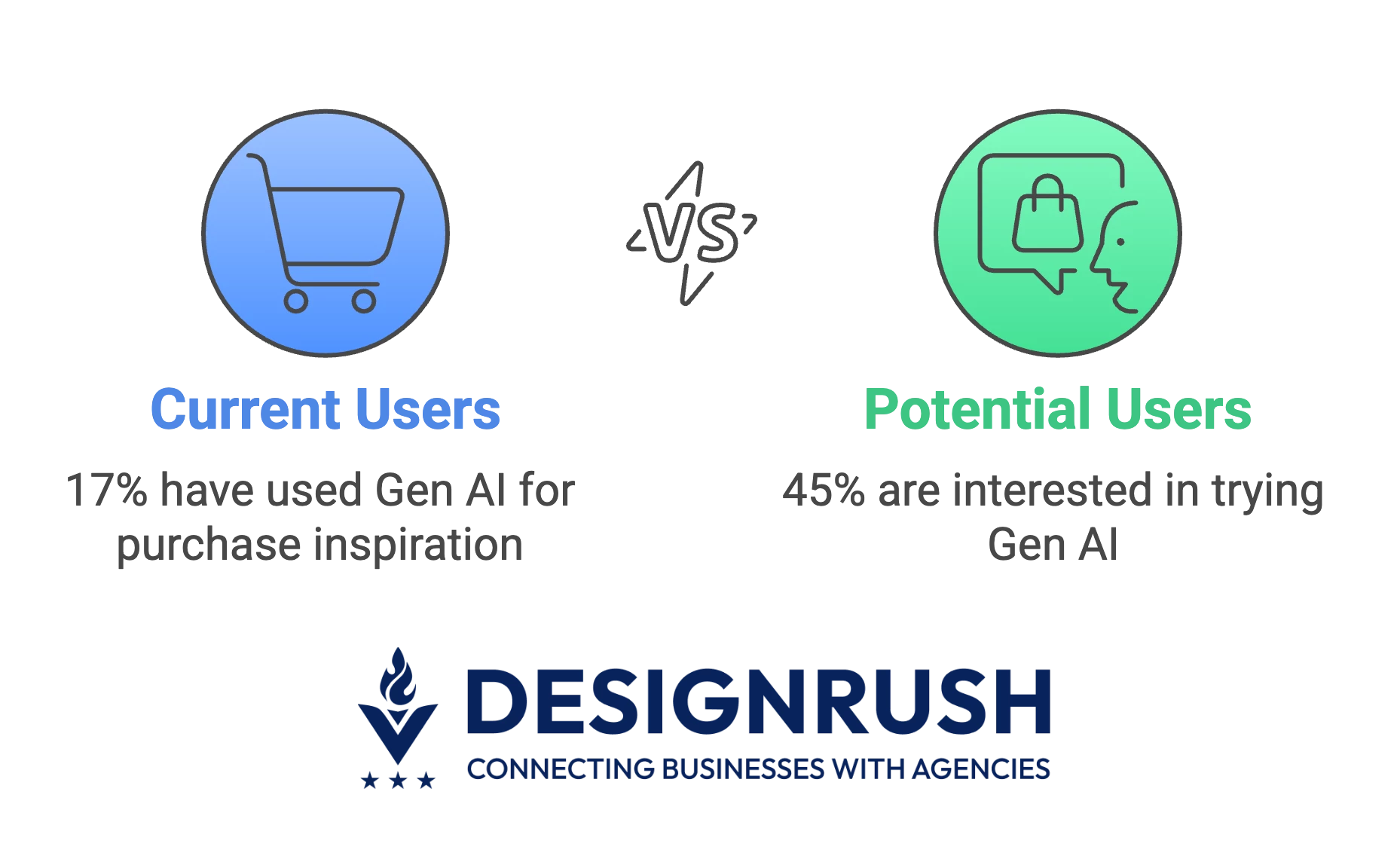
Shoppers are taking notice of Gen AI’s benefits. According to Salesforce’s reports, 17% of consumers have already used generative AI for purchase inspiration, and 45% are interested in trying it to improve their shopping experience.
Shoppers value convenience and personalization, and generative AI can deliver both by conversing naturally and offering tailored suggestions.
In response, retailers are racing to integrate AI into customer touchpoints. For instance, Sephora’s Virtual Artist app allows customers to virtually try on makeup products, providing a personalized shopping experience.
2. Retail Execs Embrace Generative AI
Tools like ChatGPT reached 100 million users in under two months — an adoption rate unheard of in tech. This has put AI on the strategic agendas of many retail CEOs and boards.
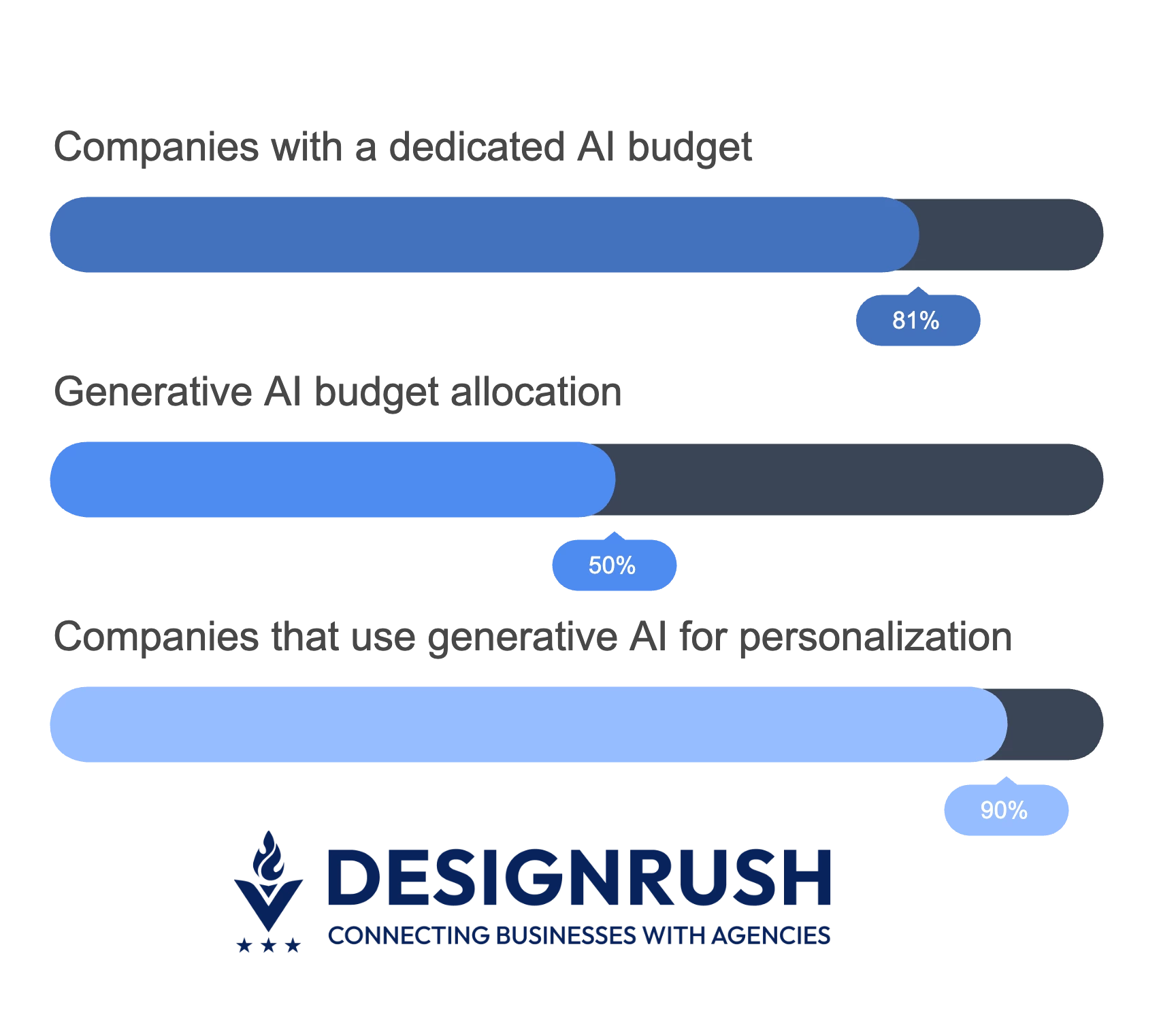
In a Salesforce survey of 1,300 retail executives, 81% said their company has a dedicated AI budget, with roughly half allocated to generative AI. Over 90% now use generative AI for personalization, generating tailored emails, product recommendations, and more.
Retail executives anticipate clear performance gains, but they are also mindful of risks.
As McKinsey’s The Economic Potential of Generative AI report notes, successful AI adopters couple innovation with human oversight, data quality checks, and ethical guidelines to ensure that AI improves, not undermine, the customer experience.
3. Talent Transformation in Creative Services
Traditional creatives are upskilling to become AI strategists, prompt engineers, and brand guardians overseeing AI output. According to LinkedIn and Microsoft’s survey, only 39% of agencies currently offer formal AI training. We can expect agencies to increasingly provide such training, as 76% of workers say they need AI skills to stay competitive.
This creates both a risk and opportunity — retailers should prioritize working with agencies investing in AI literacy and governance. These partners will be better equipped to protect brand tone, compliance, and messaging accuracy in AI-generated work.
4. AI Frees Professionals To Focus on Strategic Creativity
Perhaps the most positive outcome is that agencies can refocus on what humans excel at while AI handles lower-level execution. A survey by LinkedIn and Microsoft found that 90% of workers using AI said it saves them time and 84% said it makes them more focused on important work.
By integrating AI, agencies can actually spend more time brainstorming and conceptualizing.
5. Addressing AI Ethics and Brand Safety Concerns
Some brands may worry that AI-generated content lacks the human touch or could lead to PR issues if not carefully vetted. Agencies will need to be transparent about when and how they use AI in content production and put strong QA processes in place to catch AI errors.
A Forrester survey noted ongoing concerns around legal liability, copyright, data privacy, and security. This is an area where agencies can actually guide retailers by developing clear AI ethics guidelines and ensuring all AI usage aligns with brand values and laws.
Generative AI in Retail: Final Thoughts
Generative AI is not just transforming tasks — it’s reinventing the entire retail value chain. For businesses, this shift opens the door to new service verticals, deeper client relationships, and high-margin recurring revenue.

Explore our AI agency directory to connect with implementation partners or book a strategic consultation to develop a custom AI plan for your retail brand.
Generative AI in Retail FAQs
1. What are the top generative AI tools for retailers in 2025?
Some of the most widely adopted tools include OpenAI (ChatGPT/Custom GPTs) for natural language generation and chatbots, Midjourney and Adobe Firefly for visual content creation, and Shopify Magic for eCommerce automation.
Retailers should choose tools based on their existing tech stack, team capabilities, and how well the AI aligns with their brand tone, customer experience goals, and privacy needs.
2. What risks should agencies help clients avoid?
Agencies should be proactive in helping clients mitigate several key risks, including intellectual property violations (e.g., AI copying copyrighted works), data security and leakage (especially when inputting proprietary or customer data into public models), and brand harm from biased, inaccurate, or tone-deaf outputs.
Agencies can implement layered review workflows, provide clear usage guidelines, fine-tune models on safe, approved datasets, and ensure AI content adheres to brand and legal standards.
3. Will AI replace creative teams in retail?
AI is best viewed as an augmentation tool, not a replacement. While generative AI can automate repetitive tasks like drafting copy or resizing creative assets, it still lacks the strategic insight, cultural context, and emotional intelligence that human creatives bring.
Instead, AI allows retail creative teams to focus more on ideation, storytelling, campaign development, and brand innovation, while speeding up lower-level execution. The best results come from human-AI collaboration.