




Marketing is the best way to spread the word about your business. While traditional marketing like TV ads, radio, and flyers still play a role, digital marketing is quickly dominating the industry. Many businesses now rely on social media, paid ads, and other online platforms to promote their brands.
That said, traditional marketing is far from obsolete. So, the question is, which strategy wins? Let’s explore the ongoing debate between digital marketing vs. traditional marketing and uncover how both strategies can benefit your brand!
What Is Digital Marketing?
Digital marketing is the approach of promoting brands, products, or services through electronic channels. It leverages the power of the internet and digital platforms to reach audiences where they spend much of their time: online.
One of the key benefits of digital marketing is the opportunity to reach a global audience and drive business growth beyond borders. In fact, the digital market is expected to grow to $887.2 billion by the end of 2032.
By utilizing the latest technology, you can engage customers more intimately and foster brand loyalty and repeated engagement. Additionally, digital marketing strategies provide cost-effective solutions, reducing waste while maximizing return on investment.
What Is Traditional Marketing?
Traditional marketing refers to the use of offline media channels to reach a target audience with advertising and promotional messages. Examples of this approach include television and radio ads, print advertisements, direct mail, and billboards.
Despite the popularity of digital platforms today, traditional marketing retains its relevance due to its tangible and often memorable impact. For instance, the TV advertising market is projected to grow from $129.6 billion in 2023 to $137.9 billion by 2024, highlighting its ongoing significance in advertising.
Traditional marketing maintains its foothold by offering a physical presence, which can be especially effective in local markets. It has the power to leave a lasting impression that supports businesses in building a strong, loyal customer base.
Types of Digital Marketing
Today, marketing strategies have evolved to meet the changing needs of both consumers and businesses. As the internet becomes the primary source of information and commerce, companies must adapt to stay ahead.
Below, we’ve listed the most common types of digital marketing techniques used today:

- Search engine optimization (SEO): SEO enhances your site’s visibility through organic search engine results. SEO best practices include keyword research and on-page optimization to improve rankings.
- Social media marketing (SMM): A social media marketing strategy involves creating and sharing content on platforms like X (formerly Twitter) and LinkedIn to boost brand presence. Engaging posts and targeted ads can increase followers and customer interaction.
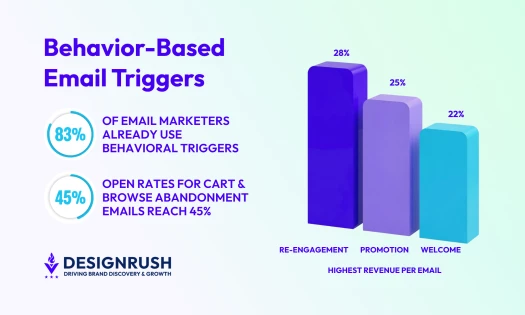
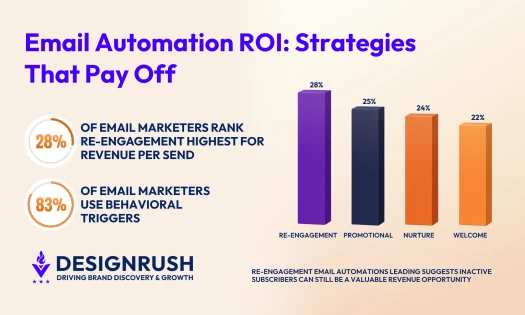
- Email marketing: Through utilizing targeted email campaigns, businesses can communicate directly with their audience. Some email marketing ideas include newsletters and promotional offers to engage subscribers and drive conversions.
- Content marketing: This digital marketing strategy aims to distribute valuable content, such as articles and videos, to attract and engage a specific audience. Its goal is to establish a brand’s authority while encouraging customer loyalty.
- Pay-per-click (PPC) advertising: PPC allows advertisers to pay for each click on their ad. Google AdWords is a common platform for running such targeted ad campaigns to drive traffic.
Types of Traditional Marketing
Traditional marketing remains a cornerstone of business strategies, as it leverages tangible and direct communication channels.
We’ve gathered the time-tested methods that continue to engage and captivate audiences effectively despite the rise of digital.

- Broadcast advertising: This method includes television and radio commercials, reaching audiences through entertainment and news mediums. It’s known for quickly spreading messages to a wide audience.
- Print advertising: Print advertising appears in newspapers, magazines, and brochures, offering targeted exposure based on readership demographics. It’s valued for its tangible nature and the credibility associated with established publications.
- Outdoor advertising: Outdoor advertising uses billboards, bus benches, and posters in public places to catch the attention of passersby. High-traffic locations are chosen to maximize visibility and impact.
- Direct mail: Direct mail involves sending promotional materials, like catalogs and postcards, directly to consumers’ homes. It’s personalized, often targeting specific demographics or geographic areas for more effective results.
- Telemarketing: Telemarketing reaches potential customers through phone calls or SMS messages. This direct approach is used by many professionals for sales, surveys, and customer feedback, offering immediate interaction and response.
Pros and Cons of Digital Marketing
Pros
- Easily measurable results: Tools like Google Analytics allow for real-time tracking of campaigns, showing which marketing efforts are most effective and allowing for necessary adjustments.
- Targeted audience: Digital marketing offers precise targeting through social media and search engines, ensuring your content reaches the intended demographic.
- Cost-effective: Digital strategies often require a lower budget, making them ideal for small businesses.
Cons
- Constantly changing: The digital world is ever-changing, forcing businesses to update their marketing strategies frequently.
- High competition: The accessible nature of digital marketing has led to an influx of competitors in the space, challenging brands to differentiate themselves.
- Security concerns: Managing online customer information poses risks of data breaches, which can result in severe consequences, such as financial and reputational damage.
Pros and Cons of Traditional Marketing
Pros
- Local reach: Traditional marketing is best suited for targeting local audiences, especially through newspapers and local TV spots.
- Tangible: Flyers, brochures, and business cards can be physically held, often leaving a lasting impression.
- Trustworthiness: Many consumers perceive traditional media sources like TV and print as more reliable than online ads.
Cons
- Hard to measure: Unlike digital campaigns, the impact of traditional marketing efforts is more challenging to track and analyze.
- Limited customization: It’s difficult to tailor traditional marketing materials to individual preferences on a large scale.
- Less engagement: Traditional methods typically offer fewer opportunities for direct interaction with the audience.
Digital Marketing vs. Traditional Marketing Comparison
Choosing the right marketing strategy is vital in connecting with your audience effectively. Both digital and traditional marketing possess unique strengths tailored to address different business needs.
Take a look at the table below to see how each approach compares across several key aspects:
| Feature | Traditional Marketing | Digital Marketing |
| Cost Efficiency | Requires investment in physical materials and media space | Costs vary widely with options for most budgets |
| Targeting Capabilities | Broader targeting based on general demographics | Precise targeting based on online behaviors and interests |
| Engagement Level | Engagement is more passive, with limited direct feedback channels | Direct interaction with audiences through comments and shares |
| Measurability | Traditional metrics such as circulation and ratings to assess reach | Detailed analytics for performance tracking |
| Geographical Reach | Local, regional, or national focus, based on medium | Global access from anywhere with internet connectivity |
Which Strategy Should You Use? Digital vs. Traditional
Choosing between traditional and digital marketing boils down to understanding your audience and objectives. Each approach has its strengths in different contexts.
Digital marketing is the go-to choice for reaching a broad, global audience, with nearly two-thirds of ad spending (68%) now allocated to digital advertising, while traditional marketing retains the remaining 32%.
This strategy offers high potential, considering that 5.52 billion people have internet access. Digital marketing is particularly effective for startups or businesses targeting specific demographics with precise interests or behaviors — take, for example, a budding content creator trying to engage tech-savvy millennials or a niche product owner looking to reach a worldwide audience.
On the other hand, traditional marketing is ideal for reaching local markets or demographics that are less inclined to engage online. For example, a new restaurant opening in town might use local newspapers, flyers, or billboards to attract nearby residents.
Traditional marketing can also be more effective for reaching older audiences who may not be as engaged with digital media. A company selling products for seniors, for example, might find more success with TV and radio ads.
Ultimately, your choice should be guided by where your target audience spends most of their time and how they prefer to consume information.
Can Digital and Traditional Marketing Be Combined?
Yes, you can combine digital marketing and traditional marketing to create a comprehensive marketing strategy. This approach allows you to leverage the strengths of both methods to reach a wider audience more effectively.
For instance, you could use social media campaigns to build excitement for an upcoming event and then follow up with traditional methods like posters and flyers in local businesses to reach those who aren’t active online. Another example is integrating QR codes into print ads, directing people to a landing page or social media platform.
By combining these strategies, you can increase a brand’s visibility across various mediums and create multiple touchpoints to engage with your target audience.
Digital Marketing vs. Traditional Marketing Takeaways
As we’ve discussed, the combination of digital and traditional marketing creates a powerful duo, with each bringing unique strengths to the table. While digital marketing leads in global ad spending, traditional marketing remains indispensable.
Integrating these two methods can provide you with a dynamic approach to engaging audiences across multiple platforms.

Our team ranks agencies worldwide to help you find a qualified partner. Visit our Agency Directory to find top-rated digital marketing companies, as well as:
- Best Digital Marketing Agency in Los Angeles
- Top Content Marketing Agencies
- Top Media Buying Agencies
- Top Affiliate Marketing Companies
- Top Direct Marketing Companies
And don’t miss our Awards section, where we celebrate the most innovative projects in design — from logo and app design to print and packaging
Digital Marketing vs. Traditional Marketing FAQs
1. Is digital marketing cheaper than traditional marketing?
Yes, digital marketing is often cheaper than traditional marketing. There are many cost-effective solutions in digital advertising, such as email newsletters and content marketing. These methods don’t require the physical materials and space associated with traditional methods like print ads or billboards.
Additionally, digital marketing allows for precise targeting, meaning you can spend less to reach the exact audience interested in your services or products.
2. Is traditional or digital marketing more effective?
It depends on your business goals and audience. Digital marketing excels in reaching a broad, tech-savvy target market quickly, making it ideal for global campaigns.
On the other hand, traditional marketing has a strong impact on local audiences. It can also be more effective for reaching people who prefer tangible ads, like newspapers or billboards.