
The automotive marketing landscape is evolving faster than ever, and 2026 will reward brands that combine digital innovation with seamless customer experiences.
From interactive online tools to strategic partnerships, the companies that adapt now will capture the most engaged, in-market buyers.
Automotive Marketing Strategies: Key Findings
- 76% of EV buyers and 64% of hybrid buyers rely on online tools, making AR showrooms, 3D configurators, and interactive calculators essential for capturing in-market consumers.
- TikTok Automotive Ads improved Peugeot’s cost per engaged session by 95%, while YouTube creators are trusted by 78% of viewers for product recommendations.
- Over 90% of automotive searches are location-based, and automated CRM sequences create higher lifetime customer value than acquisition campaigns alone.
1. Enhance Online Experiences
Digital-first customer engagement is essential for success in 2026, with interactive online tools now shaping the way consumers explore and purchase vehicles.
In 2024, the automotive segment ranked among the top U.S. industries for local ad spend, totaling $12.1 billion, and led in digital advertising, with 74.7% of its budget going to online channels.
Buyers are responding: 76% of EV customers rely on digital tools during the purchase process, compared to 42% of traditional internal combustion engine (ICE) buyers, while 64% of hybrid buyers engage online.
Here's how automotive businesses can capture a growing share of digitally savvy consumers:
- Implement 3D car configurators to let buyers explore options and personalize vehicles online.
- Create AR showroom experiences that bring cars into buyers’ homes for immersive exploration.
- Optimize your website for lead capture with test drive bookings, quotes, and live chat.
- Educate buyers with interactive content like calculators, videos, and guides for EVs and financing.



2. Integrate Online and Offline Touchpoints
Building on digital-first engagement, automotive marketers in 2026 must create seamless connections between online and in-person experiences.
More than 80% of new-vehicle buyers who completed more than half of the purchase steps online reported high satisfaction with their dealership experience.
Yet, buyers continue to value time at the dealership for test drives, sales interactions, and vehicle pick-ups, underscoring that hybrid experiences are not about replacing in-person engagement but elevating it.
Here’s how automotive brands can integrate online and offline touchpoints effectively:
- Enable seamless online-to-dealership handoffs so buyers move smoothly from research to purchase.
- Train staff to complement digital tools with knowledgeable, friendly, and personalized service.
- Design post-sale digital touchpoints for maintenance reminders, accessory upgrades, and loyalty engagement.
- Offer mobile apps for bookings and test drives to reduce friction and streamline scheduling.
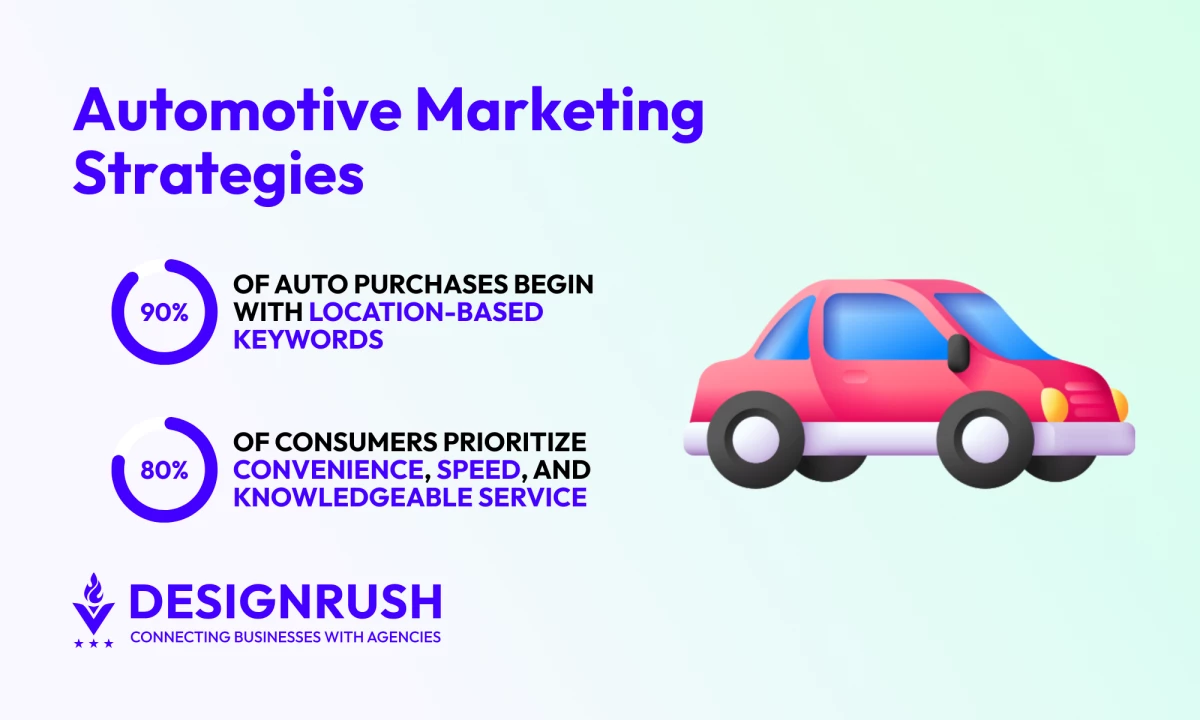
Prioritizing convenience, speed, and knowledgeable service is critical. Nearly 80% of American consumers identify these factors as the most important elements of a positive customer experience, and 65% say a positive brand experience matters more than advertising.
3. Leverage Video Marketing
In May 2025, TikTok launched Automotive Ads, creating a powerful channel for reaching younger, highly engaged audiences with immersive, short-form content.
Early tests by global brands highlight the platform’s potential: Peugeot reported a 95% improvement in cost per engaged session (CPES) compared to benchmarks, and TikTok Automotive Ads outperformed other platforms with a notably lower cost per conversion.
The opportunity is substantial, as 37% of TikTok users are actively in the market for a new or used vehicle, making it a prime environment for automotive marketing campaigns.
Meanwhile, YouTube remains a trusted platform: 78% of U.S. viewers agree that YouTube creators provide the most credible product recommendations, outperforming other social media channels and influencing purchase decisions.
Here’s how automotive brands can maximize video marketing in 2026:
- Leverage TikTok automotive ads to reach younger audiences with engaging short-form content.
- Showcase vehicles with long-form videos highlighting features, performance, and lifestyle appeal.
- Partner with trusted creators on YouTube to amplify credibility and influence buying decisions.
- Use video for comparison and review content to help buyers evaluate quality and value.
4. Optimize for Local Search & Dealer Visibility
With more than 90% of auto purchases beginning with location-based keywords (e.g., “best car dealer in buffalo ny”), Google Maps and Google Business Profiles (GBPs) now influence foot traffic more than any other digital channel.
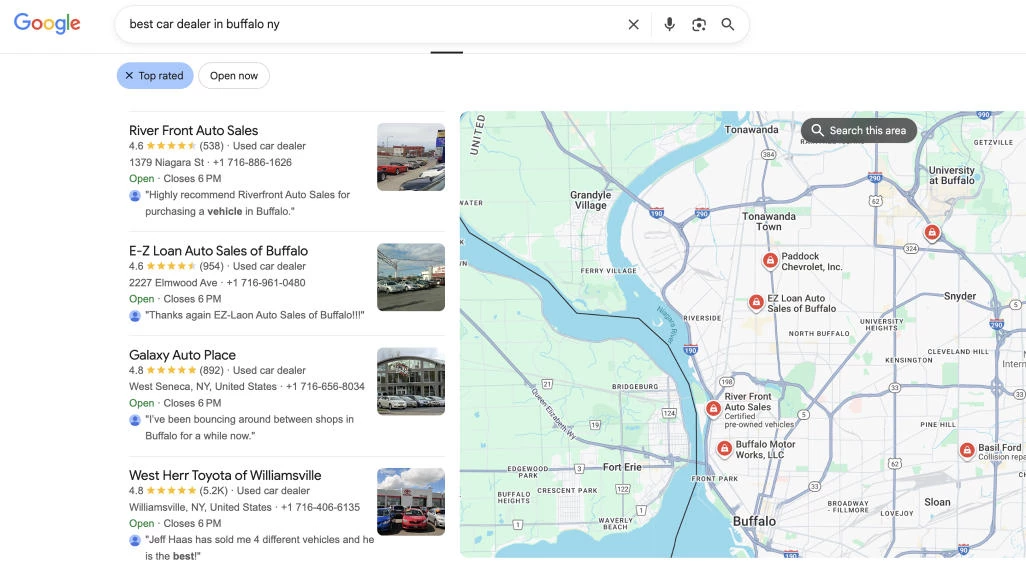
Local search is where digital visibility aligns directly with purchase intent. And dominating local results is the gateway to more in-person visits, high-quality leads, and ready-to-buy customers.
Ryan Duncan, Founder and Managing Partner of award-winning digital marketing agency Funnel Boost Media emphasizes the importance of localization:
“Local SEO is about being visible where it matters most. For service area businesses, each location needs its own presence, clear information, and proof of service.
Consistency across pages, reviews, and content builds trust with both Google and potential customers.”
Here’s how automotive brands can maximize local visibility and dominate high-intent searches:
- Build optimized local landing pages for every dealership location, featuring inventory, hours, directions, and service offerings.
- Maintain accurate, real-time Google Business Profile listings with updated photos, specials, inventory highlights, and customer reviews.
- Implement structured data for inventory, pricing, events, and service details to help Google surface rich results and boost local relevance.
- Encourage and showcase fresh reviews, which directly influence ranking position and click-through rates in Maps and local packs.
5. Prioritize Review Management
Over half of surveyed U.S. consumers (54%) plan to switch brands the next time they are in-market for a vehicle, and 58% cite product quality as their top consideration, followed by price.
As the market for new vehicles grows, consumers are increasingly turning to online reviews to evaluate dealerships, service quality, and overall brand reputation before stepping onto the lot.
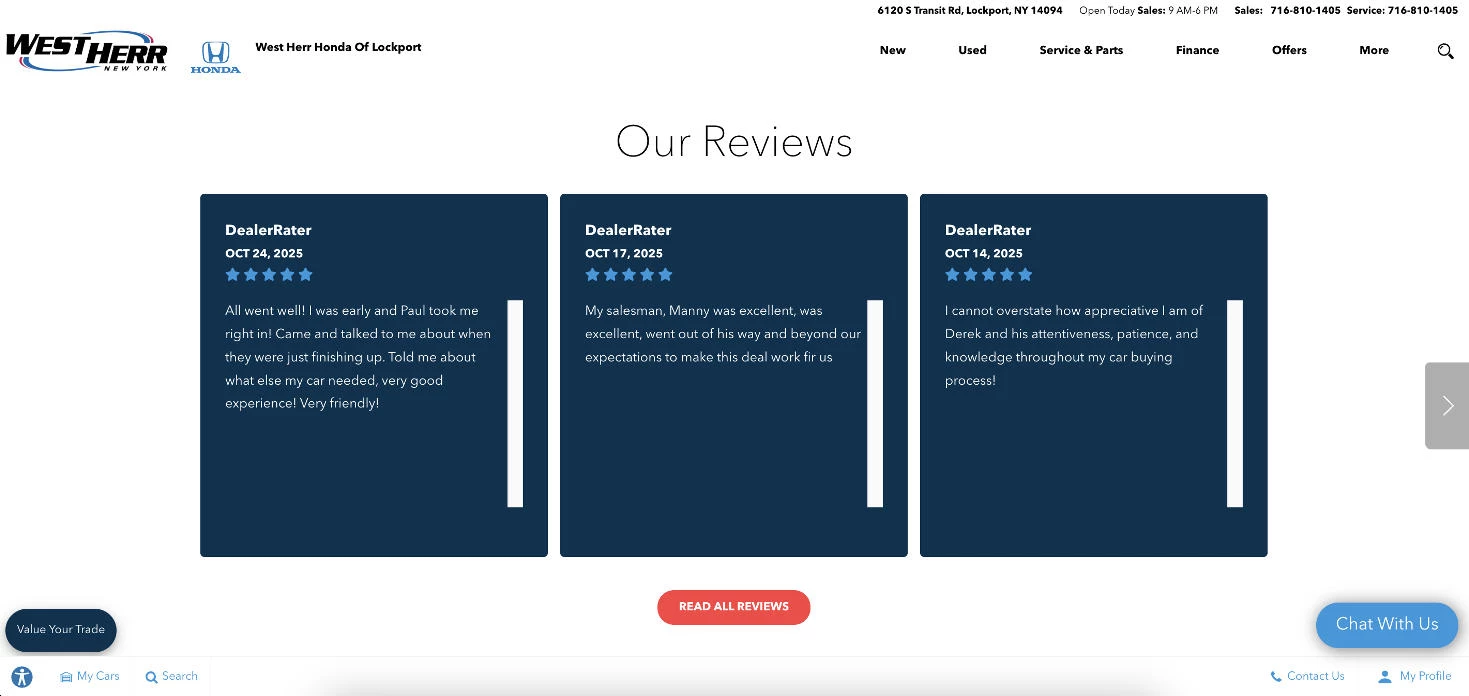
Negative experiences shared online — whether related to sales interactions, financing, or service — can deter buyers and reduce conversion rates.
Conversely, a strong, well-managed review presence helps build trust, highlight quality, and reinforce why a buyer should choose your brand over competitors.
Here’s how automotive brands can take control of their online reputation:
- Monitor reviews consistently across platforms like Google, Yelp, and social media.
- Respond promptly to negative feedback with solutions and transparency.
- Highlight positive testimonials in marketing materials, websites, and social campaigns.
- Use review insights to improve operations and address recurring customer pain points.
6. Strengthen CRM & Lifecycle Marketing
While most automotive marketing focuses on acquisition, the real long-term revenue engine lies in what happens after the sale.
A strong CRM strategy ensures that every buyer — whether new, used, or leased — remains connected to your brand across the entire ownership journey.
Lifecycle marketing is especially powerful because it turns one-time buyers into repeat customers. Email and SMS automations often outperform paid advertising in ROI, thanks to high relevance and low cost.
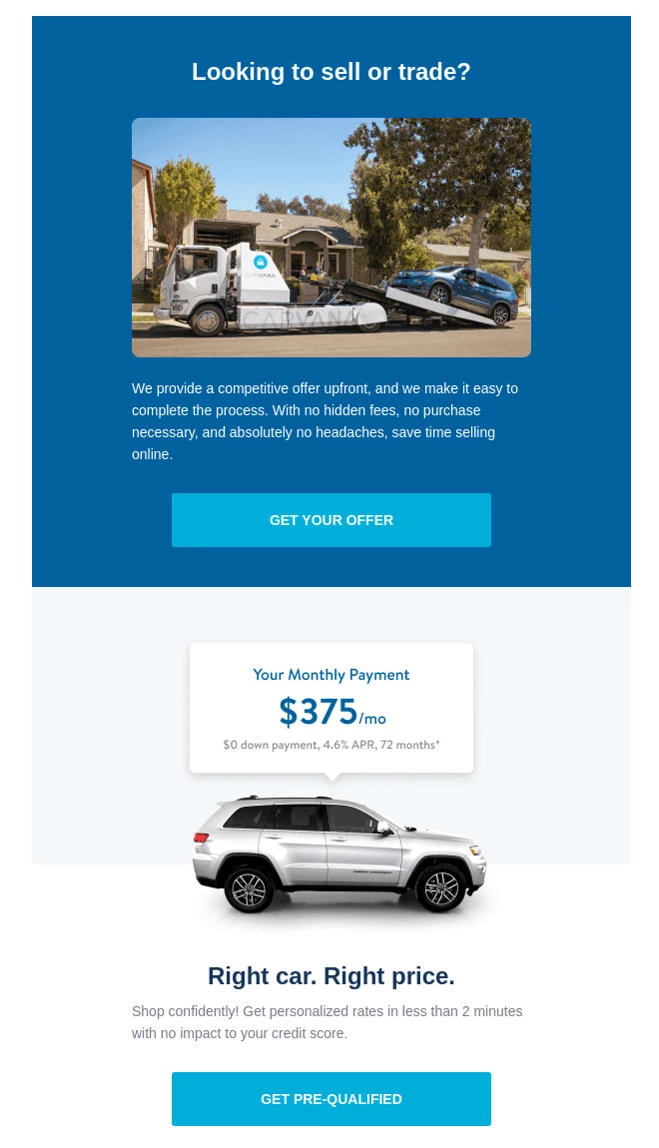
And as privacy rules tighten, building a robust first-party customer database becomes a critical competitive advantage, giving automakers and dealerships full control over communication, personalization, and retention.
Here’s how automotive brands can strengthen CRM and maximize lifetime value:
- Create automated sequences for service reminders, warranty milestones, trade-in invitations, and upgrade offers that match each buyer’s vehicle lifecycle.
- Use behavioral triggers like website visits, configurator activity, video views, or trade-in tool usage to send timely, personalized messages.
- Align marketing, sales, and service teams under a unified CRM strategy to ensure consistent communication and a seamless ownership experience.
- Centralize your first-party data to build rich customer profiles for better targeting, retention, and long-term revenue forecasting.
7. Pursue Innovative Partnerships
Automakers have already seen strong results by teaming up with complementary brands.
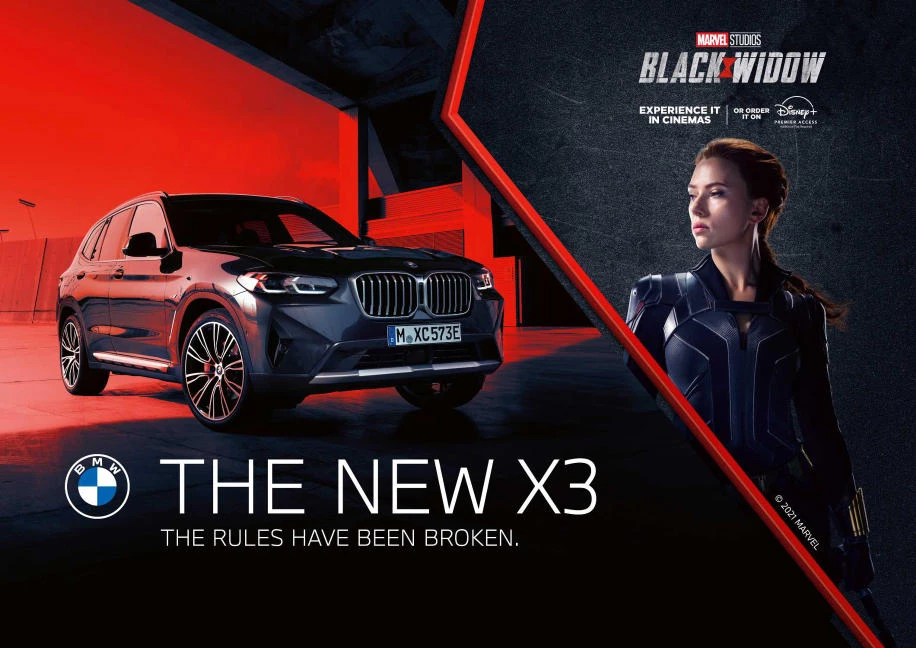
BMW partnered with Marvel Studios to feature the BMW X3 and the first-ever 2 Series Gran Coupé in Black Widow, marking the brand’s debut in the Marvel Cinematic Universe.
The high-energy chase sequences gave both vehicles prominent on-screen roles, blending BMW’s performance image with Marvel’s action-driven storytelling and extending the collaboration through themed displays at BMW Welt.
Influencer partnerships are extending this opportunity even further. Automotive creators on TikTok and YouTube — especially those focused on test drives, EV education, and modification builds — are shaping buyer opinions long before someone steps into a dealership.
Brands that co-create content, sponsor long-form reviews, or integrate vehicles into creator-led storytelling are building trust faster and reaching audiences that traditional ads miss.
Here’s how automotive companies can maximize the impact of strategic collaborations:
- Align with brands that share your audience by partnering with lifestyle, tech, and mobility companies that naturally complement your vehicles and customer values.
- Co-create experiences that add real utility or entertainment through adventure travel packages, movie integrations, or limited-edition product drops.
- Reach highly engaged, in-market communities by working with creators who specialize in test drives, EV education, or vehicle customization.
- Ensure each collaboration drives meaningful business outcomes by tracking brand lift, engagement, dealership foot traffic, and leads.
8. Capitalize on the Customization Market
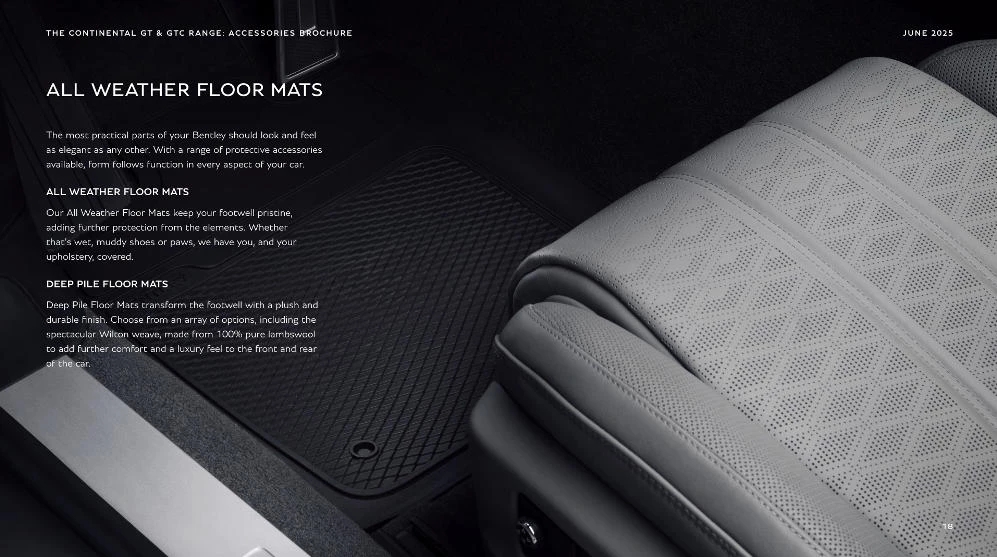
The car modification industry is projected to grow from $54.9 billion in 2025 to $80.7 billion by 2034, growing at a CAGR of 4.4%.
This surge is fueled by a passionate community of automotive enthusiasts seeking performance upgrades and aesthetic personalization, alongside innovations in technology and materials that make customization more accessible than ever.
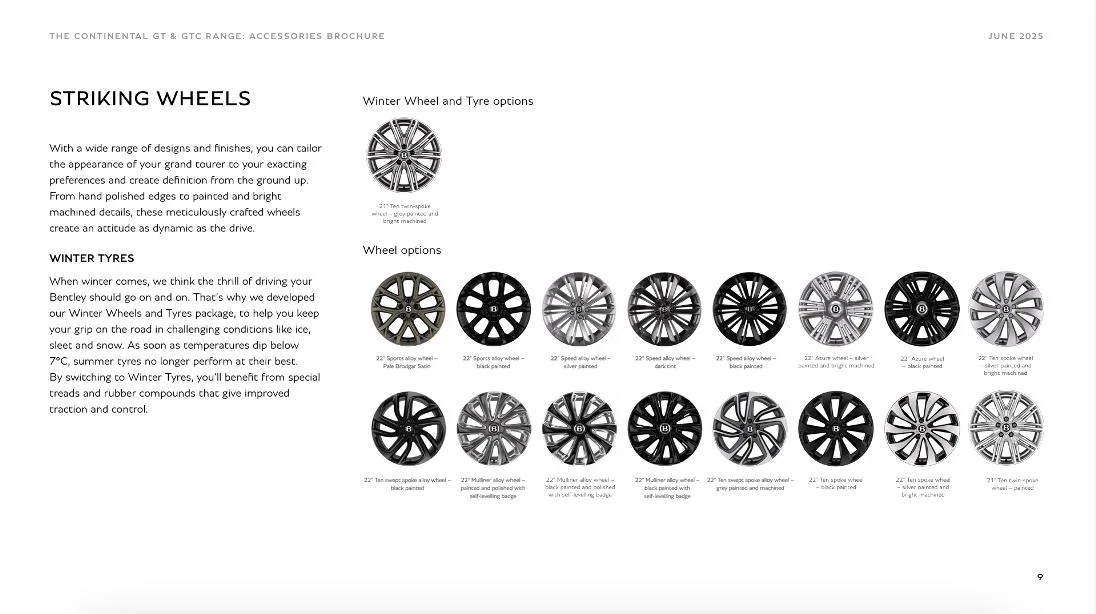
Here’s how auto businesses can activate this opportunity:
- Partner with aftermarket customization providers to offer branded mod kits or limited‑edition tuning packages.
- Promote customization using immersive digital tools: integrate car configurators for aesthetic and performance mods on your website or app.
- Build content around mod culture: create video series, blogs, or virtual events that highlight customization possibilities and community stories.
- Tap into enthusiast communities — sponsor meetups, competitions, or social media campaigns that celebrate personalization.
9. Focus on Security
As vehicles become increasingly software-defined with complex electric architectures, connected components, and dozens of exposed APIs, the cybersecurity stakes continue to rise.
Upstream reports that 92% of automotive cyber incidents are now executed remotely, and 84% occur over long-range attack vectors, underscoring how vulnerable modern vehicles and mobility systems have become.
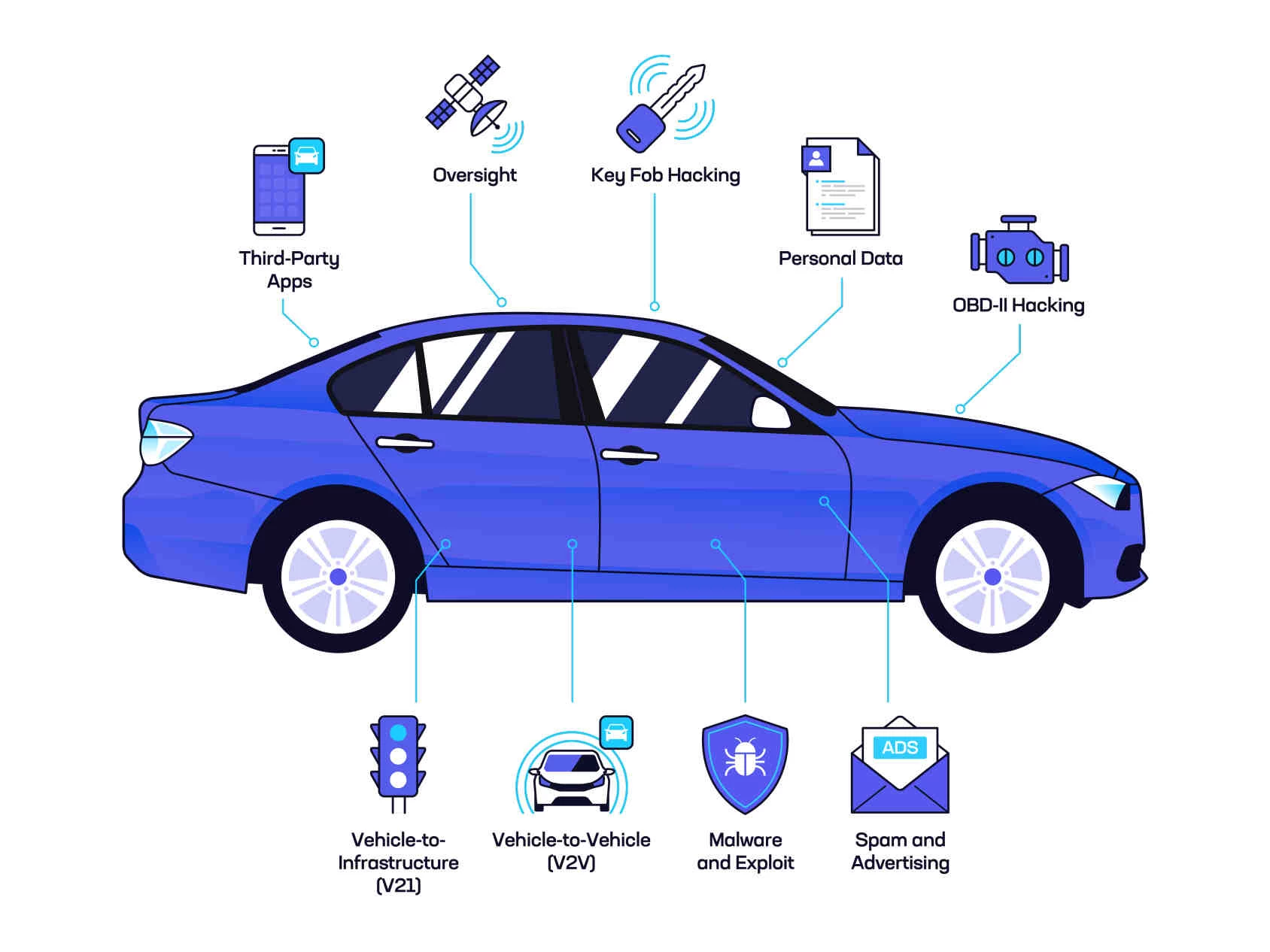
For automakers, dealers, and mobility providers, prioritizing security is a core marketing strategy that builds trust with buyers who are evaluating safety, reliability, and digital resilience long before they visit a showroom.
To stay ahead of emerging threats and signal strong security leadership, automotive brands should:
- Educate customers on data privacy and vehicle cybersecurity, reinforcing transparency and brand credibility.
- Collaborate with cybersecurity partners and industry groups to stay aligned with evolving compliance and threat intelligence.
- Highlight security advancements in marketing and product messaging to differentiate in a market where digital safety is becoming a key purchase factor.
- Audit connected systems and APIs regularly to identify vulnerabilities before attackers do.
10. Highlight Sustainability Initiatives
From EV adoption to responsible sourcing and greener manufacturing, consumers want proof — not promises — that automakers are reducing emissions and building for a cleaner future.
Demonstrating real progress is a marketing advantage that strengthens trust with eco-conscious drivers and differentiates brands in a crowded market.
To effectively communicate sustainability leadership, automotive brands should:
- Showcase measurable progress on emissions reduction, renewable energy use, and waste minimization.
- Promote EV ecosystem investments, including charging infrastructure, battery innovation, and second-life applications.
- Collaborate with environmental organizations or clean-tech partners to validate and amplify green initiatives.
- Feature sustainability stories in marketing content, from behind-the-scenes videos to data-backed reports that reinforce credibility.
Automotive Marketing Strategies: Final Thoughts
Effective automotive marketing in 2026 is about orchestrating immersive, personalized experiences across digital, in-person, and post-purchase touchpoints.
By embracing these strategies, brands can improve conversion, foster loyalty, and differentiate themselves in an increasingly competitive landscape. Those who invest in these initiatives now will be best positioned to capture current buyers and long-term growth opportunities.
Our team ranks agencies worldwide to help you find a qualified partner. Visit our Agency Directory for the Top Automotive Digital Marketing Agencies as well as:
- Top Automotive Content Marketing Companies
- Top Local SEO Agencies
- Top Digital Marketing Agencies for Small Businesses
- Top Advertising Agencies
- Top Lead Generation Companies
Our experts also recognize the most innovative projects across the globe. Visit our Awards section for the best & latest in design.
Automotive Marketing Strategies FAQs
1. What is automotive marketing?
Automotive marketing promotes vehicles and vehicle-related services to potential customers in the automotive industry. It includes various marketing activities such as advertising, sales, promotions, public relations, branding, and digital marketing.
Like every other type of marketing, automotive marketing aims to create awareness and evoke interest in a brand's products or services, generate leads, and ultimately drive sales.
2. Why do I need a strategy for automotive marketing?
A personalized automotive digital marketing strategy can increase brand recognition, capture leads, and enhance conversion rates, resulting in a higher ROI.
General marketing strategies are harder to apply in this field because of two main factors. Firstly, cars are a significant investment for most buyers. Secondly, various customer personas have distinct needs, which makes a customized marketing approach essential to reach them effectively.