
Want to grow your business and keep customers coming back? An email list is one of the best tools you can have. It gives you a direct connection to your audience — no social media algorithms, no guessing. Just a reliable way to share updates, offer value, and drive sales.
But how do you get people to sign up? What’s the right way to collect emails without breaking the rules? And once you have a list, how do you keep people engaged?
This guide breaks it all down. Step by step, we’ll cover how to collect emails (without being pushy), legal must-knows to stay compliant, and how to turn subscribers into loyal customers.

Collect Emails From Scratch in 4 Steps

So, you want to start an email list but don’t know how to begin? Here’s how to do it in four simple steps:
- Identify your ideal audience
- Create an irresistible lead magnet
- Set up high-converting sign-up forms
- Leverage social media & content marketing
1. Identify Your Ideal Audience
Who do you want on your list? Before you start collecting emails, you need to know who you’re trying to reach. Not everyone is your ideal subscriber. The key is to get people genuinely interested in your content, products, or services to sign up so you can build an engaged and responsive email list.
Here’s how to identify your ideal audience:
1.1 Look at Your Existing Customers & Followers
- If you already have a website, social media following, or customers, analyze:
- Who engages with your content the most (comments, likes, shares)?
- Who buys your products or services? (age, industry, job role, interests)
- What questions do people frequently ask you?
So, for example, if you run a fitness coaching business and your Instagram audience is mostly women aged 25-40 asking about nutrition, they’re a prime audience for your email list.
1.2 Research Your Competitors
Look at businesses similar to yours. Who are they targeting? What kind of lead magnets or email sign-ups do they offer? How do they engage their audience?
A good strategy is to subscribe to a competitor’s email list and see what kind of content they send. Tools like Similarweb and Owletter can help by analyzing competitor website traffic and tracking their email campaigns, giving you insights into which channels drive their sign-ups.
1.3 Create an Ideal Subscriber Profile
Use what you’ve learned to create a simple audience persona — a short description of your ideal subscriber. List three to five key problems they need help with.
For example: My ideal subscriber is a small business owner struggling with digital marketing who wants easy-to-implement strategies and templates.
1.4 Test & Adjust
Your first assumptions might not be perfect. Track who actually signs up, engages with emails, and converts. Use this data to refine your approach over time.
2. Create an Irresistible Lead Magnet
People won’t just hand over their email for nothing — you need to give them a reason to sign up. A lead magnet is a free, valuable resource that makes joining your list an easy decision.
Here’s how to create a lead magnet that works:
2.1 Identify Their Pain Points
Earlier, we mentioned listing three to five key problems your ideal subscriber needs help with. Now, use that list to create something that offers a quick, actionable solution. So, if you’re a career coach and your audience struggle with writing resumes, a “10-Minute Resume Makeover” guide would be a great lead magnet.
2.2 Choose the Right Format
Pick a type of lead magnet that matches your audience’s preferences and provides immediate value. Some examples of lead magnet formats are:
- E-books & guides: In-depth advice on a specific topic.
- Checklists & templates: Ready-to-use resources that save time.
- Discounts & freebies: Great for eCommerce brands.
- Webinars & free courses: Live or recorded training sessions.
2.3 Make it Easy To Access
Keep the sign-up process simple. Don’t ask for too much information — just an email (and maybe a first name for personalization). A good practice is to set up an automated email that delivers the lead magnet immediately after sign-up. Tools like Kit and Mailchimp allow you to create automated workflows that send the lead magnet instantly, ensuring a seamless experience for new subscribers.
2.4 Promote it Everywhere
A great lead magnet won’t work if no one sees it. Share it across your:
- Website (pop-ups, landing pages, blog posts)
- Social media (bio links, posts, stories)
- Paid ads (Facebook, Instagram, Google)
3. Set Up High-Converting Sign-up Forms
A lead magnet is only effective if people see your sign-up form and actually use it. The goal is to make subscribing effortless while keeping the process user-friendly.
Here’s how to set up high-converting sign-up forms:
3.1 Choose the Right Type of Sign-Up Form
Different forms work for different situations. Use one or more of these based on your audience and platform:
- Embedded forms: Placed directly on key pages like blog posts or sidebars.
- Pop-ups: Appear after a user spends time on your site or tries to leave (exit-intent pop-ups).
- Slide-ins: Subtle forms that appear in the corner of the screen as users scroll.
- Landing pages: Standalone pages designed specifically to collect emails.
3.2 Keep the Form Simple
The fewer fields people have to fill out, the more likely they are to subscribe.
- Ask for only essential information: Typically, just an email, and maybe a first name for personalization.
- Use clear, compelling copy: Instead of “Sign up for updates,” try “Get your free marketing checklist now.”
- Make the CTA button stand out: Use action-driven text like “Download My Free Guide” instead of “Submit.”
3.3 Optimize for Mobile
More than 7 billion people worldwide have smartphones, so your sign-up forms must be mobile-friendly.
- Ensure forms are easy to read and fill out on smaller screens.
- Use a large, tappable CTA button.
- Avoid intrusive pop-ups that hurt the user experience.
3.4 A/B Test & Improve
Not all forms convert the same way. Test different elements to see what works best.
- Try different headlines, CTA text, and button colors.
- Test pop-up timing. Does it work better after 10 seconds or when the user is about to leave?
- Analyze conversion rates and tweak forms for better performance.
4. Leverage Social Media & Content Marketing
Your email list doesn’t have to start from zero. If you already have an audience on social media or a blog, you can convert those followers and readers into subscribers.
4.1 Add Sign-Up Links to Your Social Media Profiles
Make it easy for followers to join your list by placing sign-up links where they’re most visible:
- Instagram & X: Add your email sign-up link to your bio.
- Facebook: Use the call-to-action button to direct visitors to your sign-up page.
- LinkedIn: Include your sign-up link in your profile’s featured section.
4.2 Run Giveaways & Contests
Giveaways encourage new sign-ups quickly — as long as the prize is relevant to your audience. Here’s how to structure a giveaway for email growth:
- Require an email sign-up as an entry condition.
- Offer a prize related to your business (e.g., a free product, consultation, or exclusive resource).
- Promote it across multiple platforms to increase reach.
4.3 Use Social Proof To Encourage Sign-Ups
People are more likely to subscribe when they see proof that others find value in your emails.
- Share testimonials: If someone praises your email content, post it!
- Show subscriber milestones: Example: “Join 5,000+ marketers getting exclusive insights every week.”
- Highlight email success stories: Did a subscriber get results using your advice? Turn it into a post.
Legal Guidelines You Should Know About
Collecting emails isn’t just about getting sign-ups — you need to follow legal guidelines to protect user data, avoid penalties, and maintain trust with your audience.
Here’s how to stay compliant while building your email list the right way:
- GDPR: User consent & data protection
- CAN-SPAM Act: Unsubscribe & sender information rules
- CCPA: Consumer data rights & transparency
GDPR: User Consent & Data Protection
If you have subscribers from the European Union, you must comply with the General Data Protection Regulation (GDPR) to protect their personal data. To stay compliant, you must:
- Obtain explicit consent: Users must actively opt in (no pre-checked boxes).
- Clearly explain data usage: Tell subscribers what emails they’ll receive and how their data will be used.
- Allow easy opt-out: Every email must include an “unsubscribe” link.
- Keep records of consent: Store proof that users agreed to receive emails.
Example: Instead of a vague “Sign up for updates” checkbox, use: "I agree to receive weekly marketing emails from [Company Name] and understand I can unsubscribe at any time."
CAN-SPAM Act: Unsubscribe & Sender Information Rules
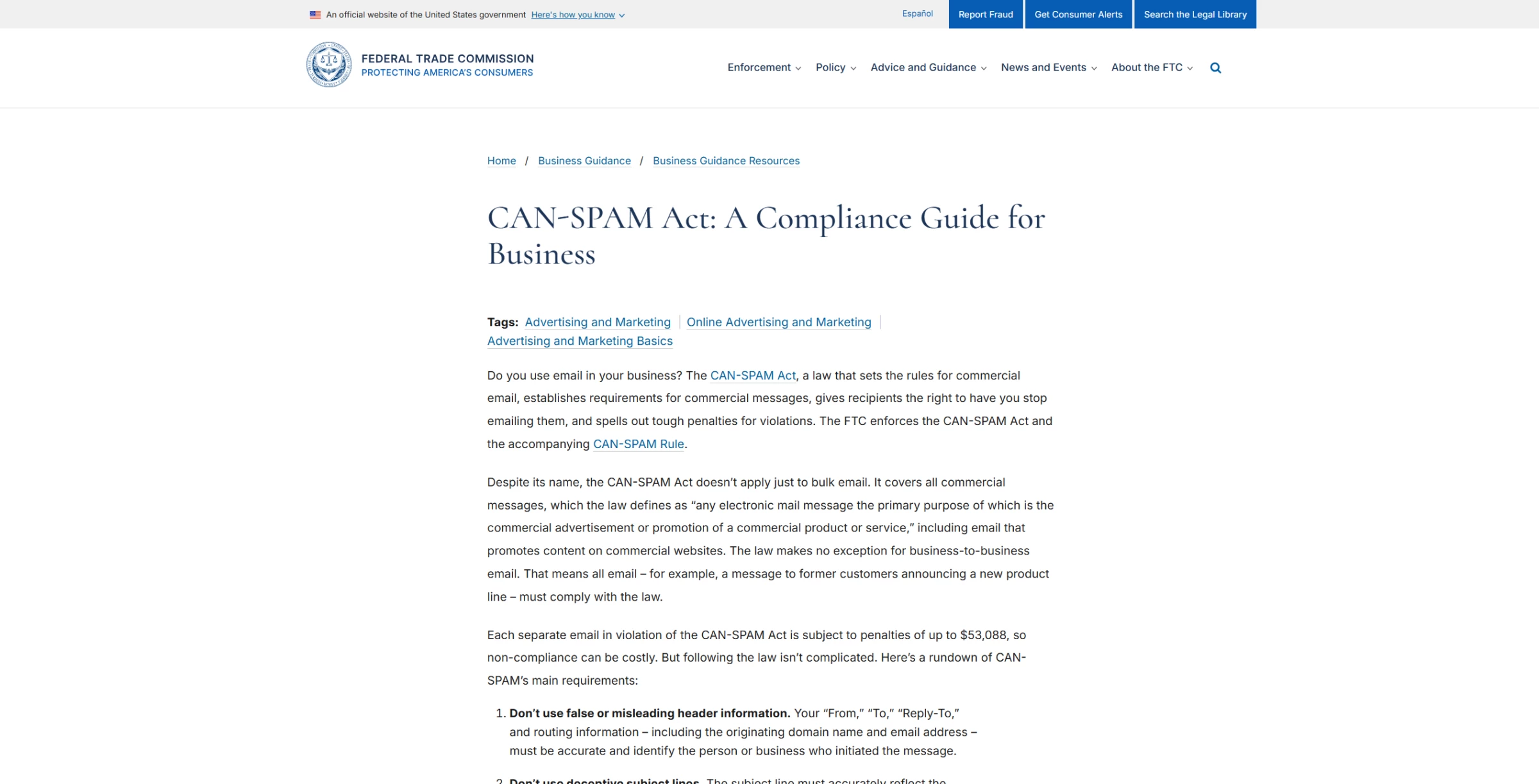
If you send emails to U.S. subscribers, you must follow the CAN-SPAM Act, which prevents deceptive marketing practices. To stay CAN-SPAM compliant, you must:
- Use accurate sender details: Your “From” name and email address must be correct.
- Avoid misleading subject lines: Be transparent about your email content.
- Include a visible unsubscribe option: Every email must have a clear one-click opt-out.
- Honor opt-out requests quickly: Unsubscribe requests must be processed within 10 business days.
Example: At the bottom of every email, add: "Don’t want to receive emails from us? Click here to unsubscribe."
CCPA: Consumer Data Rights & Transparency
If you collect emails from California residents, you must comply with the California Consumer Privacy Act (CCPA), which grants consumers more control over their personal data.
How to stay CCPA-compliant:
- Disclose data collection: Clearly state what personal information you collect and how it will be used.
- Provide an opt-out option: Allow subscribers to request that their data not be sold or shared.
- Honor deletion requests: If a subscriber asks for their data to be deleted, you must comply.
- Include a ‘Do Not Sell My Information’ link: If you sell subscriber data, provide an easy opt-out option.
Example compliance notice:"We value your privacy. Read our Privacy Policy to learn how we collect and use your data. You can opt out of data sharing anytime."
Best Practices for Ethical List Growth
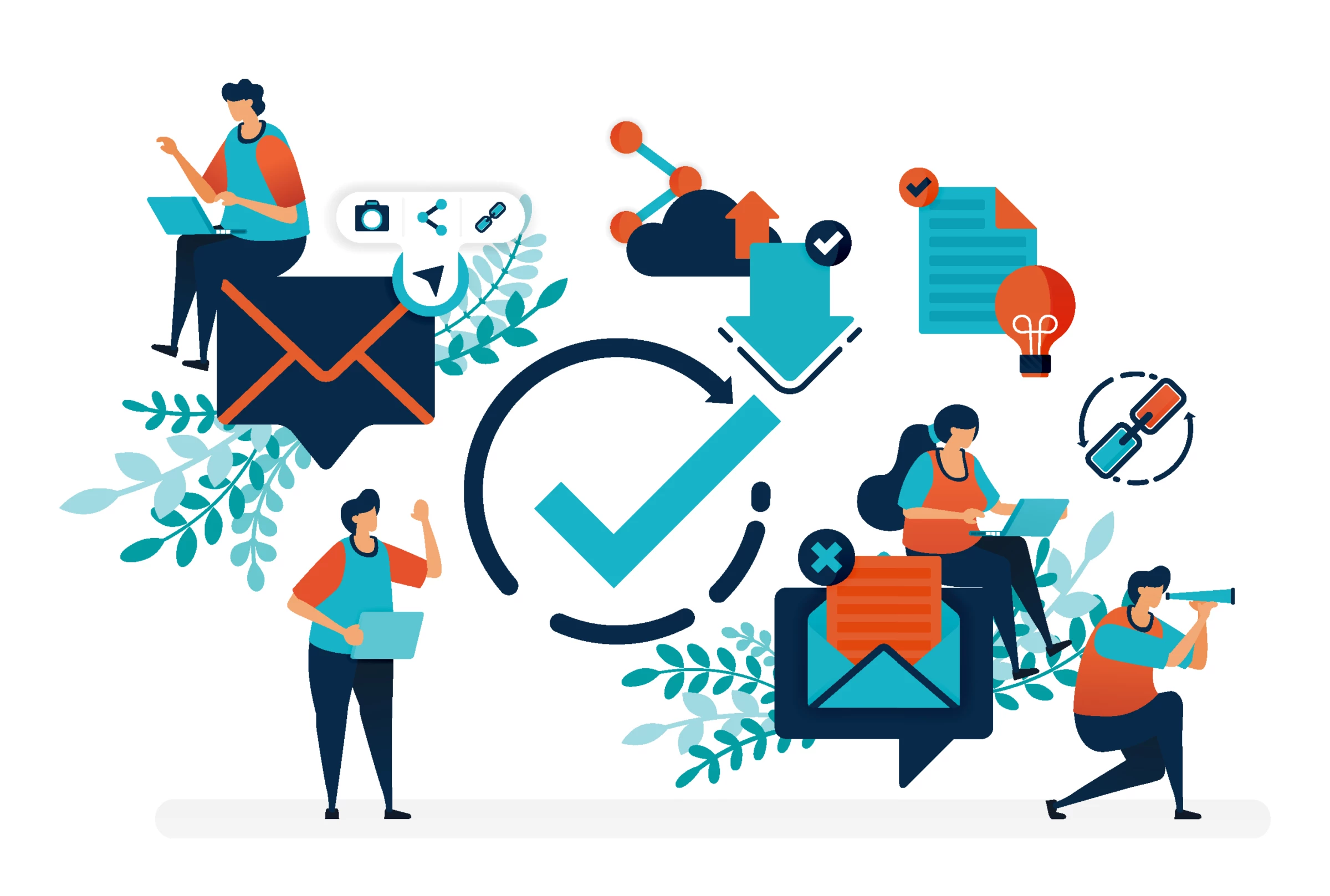
Building an email list the right way isn’t just about following legal rules — it’s about earning trust and keeping your subscribers engaged. Ethical list growth focuses on attracting genuine, interested subscribers and maintaining a clean, high-quality list.
Here’s how to do it effectively.
Double Opt-In: Why & How To Implement It
Double opt-in is a best practice, even if not legally required. It helps you verify real subscribers and reduce fake sign-ups, ensures engaged subscribers who actually want your emails, and improves email deliverability and reduces the chance of being flagged as spam.
How double opt-in works:
- A user signs up via your form.
- They receive an email asking them to confirm their subscription.
- Only after confirmation do they get added to your list.
Example confirmation email text:
"Thanks for signing up! Please confirm your subscription by clicking the link below."
Avoiding Spam Traps & Staying Compliant
Spam filters can block your emails if you don’t follow best practices. Here’s how to keep your emails out of spam folders:
- Avoid buying email lists: Purchased lists often contain spam traps and lead to high unsubscribe rates.
- Use a verified email-sending domain: Authenticate your emails with Sender Policy Framework (SPF), DomainKeys Identified Mail (DKIM), and Domain-based Message Authentication, Reporting and Conformance (DMARC) records.
- Send emails consistently: Irregular sending patterns can trigger spam filters.
- Monitor engagement: Remove inactive subscribers to maintain a healthy list.
Example: If an email hasn’t been opened in 6+ months, send a re-engagement email:
"Still want to hear from us? Click below to stay subscribed!"
7 Strategies for Nurturing & Engaging Subscribers
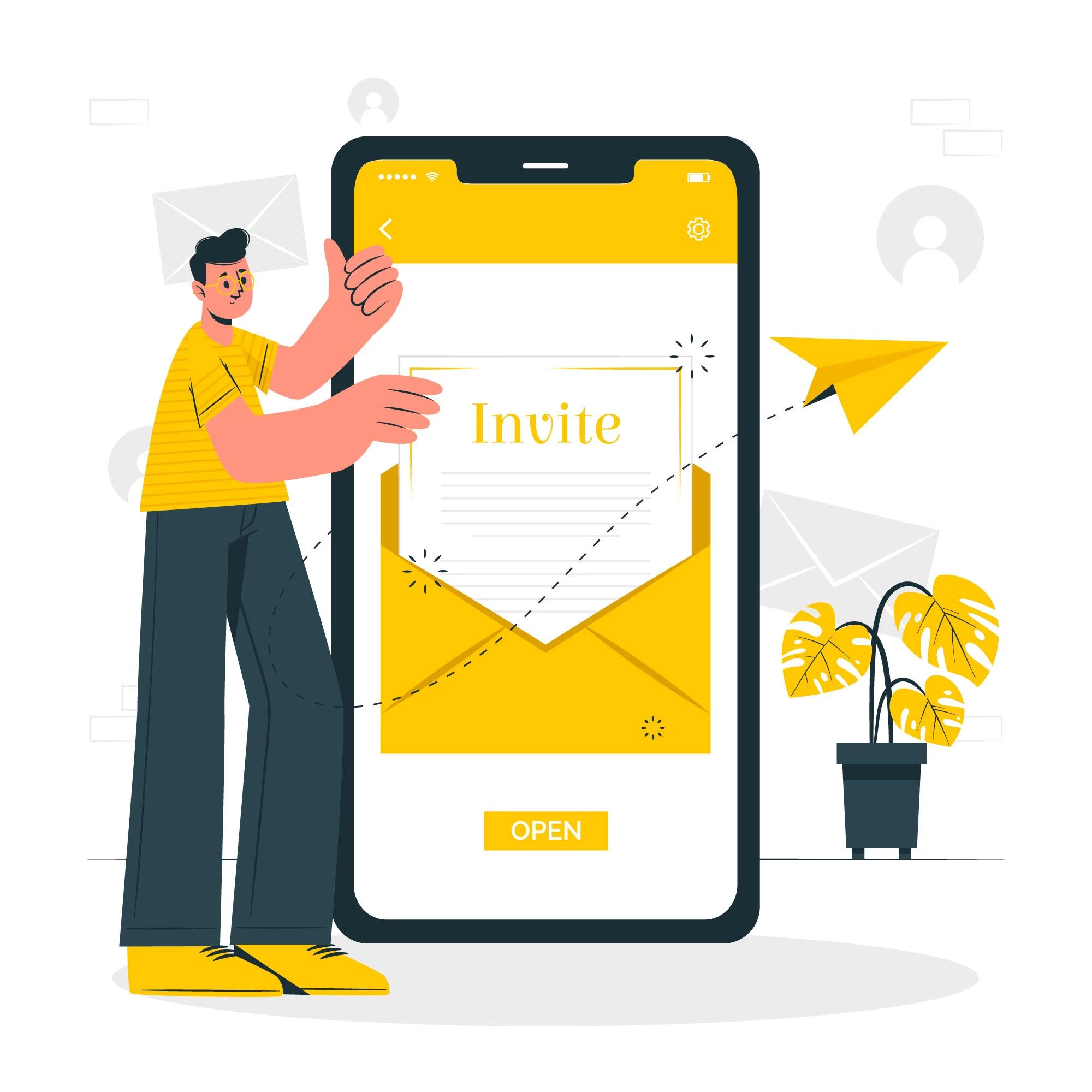
Getting people to sign up is just the beginning — keeping them engaged is what turns subscribers into loyal customers. If your emails aren’t relevant, interesting, or valuable, subscribers will stop opening them — or worse, unsubscribe.
Here’s how to keep your email list engaged:
- Set up a strong welcome email sequence
- Personalize your emails
- Increase open rates with strong subject lines and timing
- Offer exclusive perks & community access
- Use referral & giveaway strategies
- Keep engagement high with interactive emails
- Re-engage inactive subscribers before they unsubscribe
1. Set Up a Strong Welcome Email Sequence
The first email your subscribers receive sets the tone for their relationship with your brand. A welcome email sequence helps you build trust and guide new subscribers toward action.
What to include in your welcome sequence:
- Email 1: Introduction & Thank You: Welcome them, confirm their sign-up, and deliver the lead magnet.
- Email 2: What To Expect: Explain the type of emails they’ll receive and how often.
- Email 3: Get To Know Them: Ask a question or encourage a reply to start engagement.
- Email 4: First Value-Packed Content – Share a useful tip, exclusive insight, or a free resource.
Example subject line for a welcome email:"Welcome! Here’s what you signed up for + a special surprise inside."
2. Personalize Your Emails
Not all subscribers are the same, so sending generic emails won’t work. By segmenting your list, you can send more relevant content based on their preferences, behaviors, or demographics.
Ways to segment your list:
- By interests: Based on what they signed up for (e.g., “social media tips” vs. “SEO tips”).
- By behavior: Send different emails to active vs. inactive subscribers.
- By purchase history: Recommend products based on past purchases.
Example: If a subscriber downloads a guide on Facebook Ads, send them more Facebook Ads-related content, rather than general marketing tips.
3. Increase Open Rates With Strong Subject Lines & Timing
Even great emails won’t work if no one opens them. Optimizing when and how you send emails can boost engagement.
How to improve open rates:
- Write compelling subject lines: Use curiosity, urgency, or personalization.
- Send at the right time: Test different days and hours to see when your audience engages most.
- Use a friendly “From” name: Instead of “Company XYZ,” try “Sarah from XYZ.”
Example subject lines that work:
- “You’re missing out on this…” (Curiosity)
- “Last chance: 24 hours left to grab your free guide” (Urgency)
- “Hey [First Name], here’s a quick tip for you” (Personalization)
4. Offer Exclusive Perks & Community Access
Subscribers are more likely to stay engaged when they feel valued and part of something exclusive. Offering perks, community access, and rewards keeps your audience interested and gives them a reason to stay subscribed.
4.1 Give Subscribers Early or Exclusive Access
Keep your subscribers engaged by offering them special privileges they can’t get elsewhere:
- Early product access: Let them shop new products before anyone else.
- Subscriber-only discounts: Offer special pricing as a reward for loyalty.
- Exclusive content: Share behind-the-scenes updates, expert insights, or bonus materials.
Example:“As a valued subscriber, you’re the first to access our new course — sign up before it’s publicly available!”
4.2 Create a Private Community for Subscribers
A strong community increases engagement and brand loyalty. Give subscribers access to a private space where they can interact, learn, or get extra value:
- Private Facebook or LinkedIn groups: Encourage discussions and networking.
- Subscriber-only webinars or Q&A sessions: Provide live sessions for deeper engagement.
- Exclusive newsletters: Share high-value content that isn’t available on your website or social media.
Example:“Join our private Facebook group for subscribers where we share exclusive tips and answer your marketing questions live.”
4.3 Reward Loyalty To Keep Subscribers Engaged
Subscribers are more likely to stay when they feel appreciated. Reward long-term engagement with special perks:
- Birthday or anniversary discounts: Celebrate milestones with exclusive offers.
- Loyalty rewards: Offer freebies, discounts, or bonus content to engaged subscribers.
- Subscriber-only giveaways: Run contests exclusive to your email audience.
Example:“You’ve been with us for a year! Here’s 20% off your next order as a thank-you.”
5. Use Referral & Giveaway Strategies
Subscribers who enjoy your content are your biggest advocates — give them an incentive to spread the word and stay engaged.
5.1 Launch a Subscriber Referral Program
Encourage your engaged subscribers to invite others by rewarding them for referrals:
- Exclusive discounts: Offer a special coupon for every friend they refer.
- Bonus content: Unlock premium content, templates, or guides as a reward.
- Point-based rewards: Subscribers earn points for each referral and redeem them for perks.
Example:“Invite a friend to our email list, and you’ll both get 15% off your next purchase!”
5.2 Run Subscriber-Only Giveaways
Keep engagement high by rewarding active subscribers with exclusive contests:
- Monthly prize draws: Automatically enter engaged subscribers into a giveaway.
- Engagement-based rewards: Reward those who consistently open, click, or reply to emails.
- Milestone-based giveaways: Celebrate reaching subscriber count milestones with a special contest.
Example:“Open all our emails this month and get a chance to win a free one-on-one coaching session!”
5.3 Reward Social Sharing & Engagement
Encourage subscribers to interact with your brand outside their inbox by rewarding social engagement:
- Share-to-enter giveaways: Offer an extra entry for every social media share.
- Feature engaged subscribers: Highlight top contributors in your email or community.
- Social media challenges: Run interactive contests where subscribers submit entries.
Example:“Tag us on Instagram using #MyBrandTips for a chance to be featured in our next email and win a special prize!”
6. Keep Engagement High With Interactive Emails
Emails don’t have to be just plain text and images — interactive elements can make them more engaging and encourage subscribers to take action.
Ways to make emails interactive:
- Polls & surveys: Ask for their opinions or feedback.
- Quizzes: Help them discover something (e.g., “Which social media strategy is right for you?”).
- GIFs & countdown timers: Great for promotions or event reminders.
Example: “Vote for our next free training topic — click your choice below!”
7. Re-Engage Inactive Subscribers Before They Unsubscribe
Not all active subscribers will remain active. Instead of waiting for them to unsubscribe, send a re-engagement campaign to win them back.
Re-engagement tactics:
- Send a “We Miss You” email: Remind them of the benefits of being on your list.
- Offer an exclusive deal: Give them a subscriber-only discount or bonus content.
- Ask if they want to stay subscribed: Let them choose between opting out or staying engaged.
Example subject line of a re-engagement email:"Still interested? Here’s a special offer just for you."
Email Marketing Lists: Key Takeaways
An email list is one of the most effective ways to connect with your audience, build trust, and drive sales. But success doesn’t come from just collecting emails — it comes from consistent engagement and delivering value to your subscribers.
If you need expert guidance, working with professional email marketers can help you start and turn your email list into a reliable growth tool for your business.
How To Build an Email List FAQs
1. Can you build an email list for free?
Yes, you can build an email list without spending money by leveraging organic strategies like offering free lead magnets, embedding sign-up forms on your website, using social media to drive sign-ups, and encouraging referrals. While paid ads can accelerate growth, a well-optimized strategy with valuable content can grow your list for free over time.
2. How to grow your email list fast?
To grow your list quickly, use high-converting lead magnets, promote them across multiple platforms, and optimize your sign-up forms. Running giveaways, collaborating with influencers, and using referral incentives can also speed up growth. However, focus on attracting the right subscribers, not just growing numbers — quality leads lead to better engagement and conversions.
3. What is the best way to keep email subscribers engaged?
The best way to maintain engagement is to send consistent, valuable content tailored to your audience’s interests. Use welcome sequences, personalization, and interactive elements like surveys or exclusive offers. Avoid excessive promotions — balance sales emails with informative and engaging content to keep subscribers interested and responsive.