
Learn about the digital avatars at the forefront of influence, the brands tapping in now, the next gen stars to monitor, and what their momentum means for your social-media roadmap.
AI Influencers: Key Findings
- The global virtual influencer market is set to grow from $6.06B in 2024 to $45.88B by 2030 (40.8% CAGR).
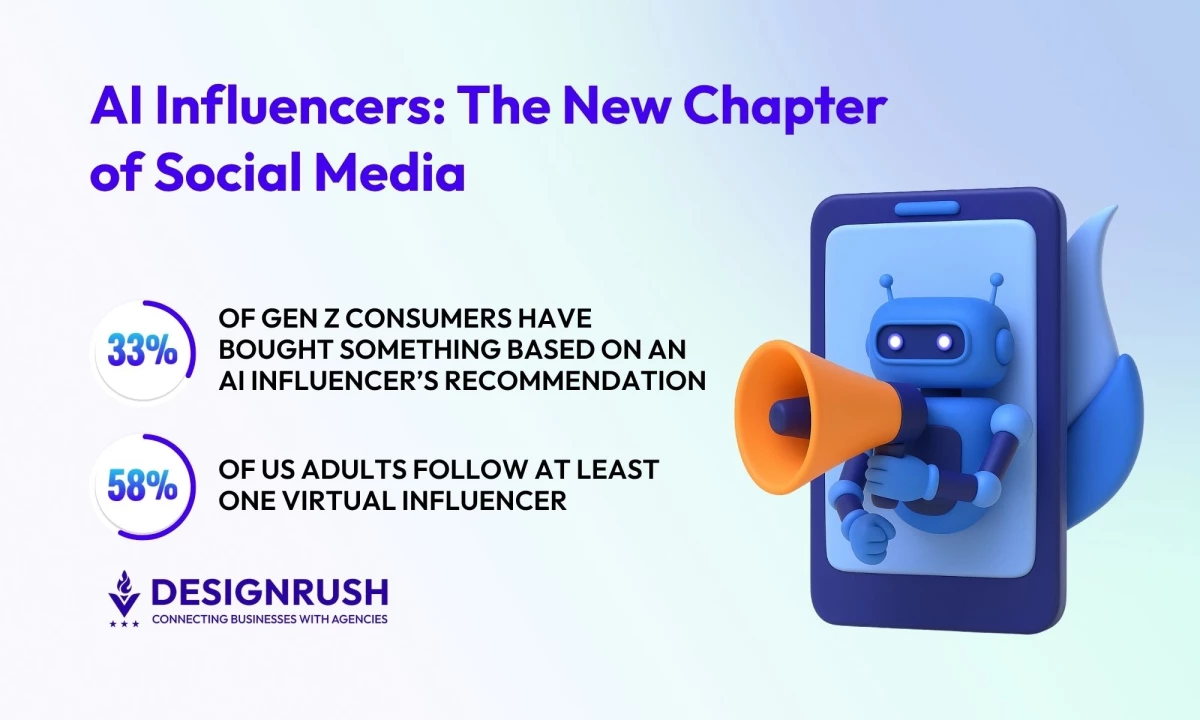
- 58% of U.S. adultsfollow at least one virtual influencer, and 35% of them have made a purchase because of one.
- Disclosing AI identities, avoiding cultural missteps, and maintaining authentic storytelling are essential for trust and compliance.
AI Influencers Overview
AI influencers don’t eat, sleep, or age. They follow the script, never miss a deadline, and are built to engage. And they’re popping up everywhere from fashion campaigns and tech ads to viral TikTok trends.
But who (or is it what) are these AI influencers?
The Rise of AI Influencers
Humans no longer have a monopoly on the ‘influencer’ gig. AI-generated influencers — digital avatars built through artificial intelligence and 3D modeling — are getting in on it too.
They offer brands 24/7 presence, creative control, and seamless cross-platform reach, which makes them a marketing force to be reckoned with.
The global virtual influencer market, valued at USD 6.06 billion in 2024, is on track to soar to USD 45.88 billion by 2030. That’s a striking 40.8% CAGR between 2025 and 2030. That growth reflects how brands are increasingly exploring characters and avatars.
One survey found that 58% of US adults follow at least one virtual influencer, and 35% of those followers have been influenced to make a purchase as a result. That figure rose to 40% for 18-34-year-olds, compared to just 18% for those 55 and older.
Why Businesses Are Turning to AI Influencers
Virtual creators offer brands a powerful blend of consistency, creativity, and control. They can be scripted, controlled and deployed across multiple channels to make messaging consistent and easier to scale.
Key advantages include:
- Always on: AI influencers don’t need rest, making it possible to maintain an active presence and real-time engagement across time zones.
- Brand control: Everything from visuals and tone to behavior can be scripted for maximum brand safety and message alignment.
- Scalable storytelling: Campaigns can be synchronized across Instagram, TikTok, and YouTube with unified aesthetics and timing.
- Reduced risk: Virtual ambassadors eliminate issues tied to human error, controversy, or inconsistent content.
- Audience receptivity: One in three Gen Z consumers now make purchasing decisions based on recommendations from AI-generated influencers.
It makes sense for brands to go beyond collaborating with AI influencers to creating their own, developing bespoke virtual ambassadors that embody the brand identity can evolve alongside their marketing strategies.



Top AI Influencers in 2026
Here are some of the leading personas shaping the AI social media influencer space in 2026, with each bringing something unique to the table.
1. Lil Miquela (@lilmiquela)
- Platform: Instagram, TikTok, YouTube, X
- Followers: 6.7M+ across platforms
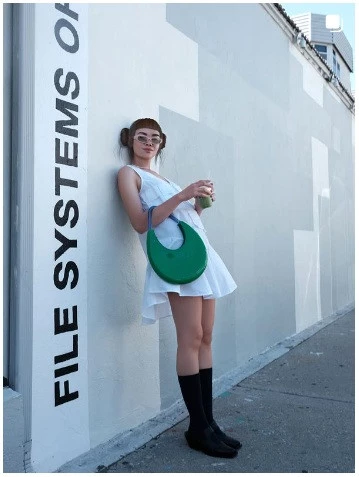
Lil Miquela (also known as Miquela Sousa) launched on Instagram in 2016 as a CGI-avatar and quickly became a pioneer in the virtual-influencer space. She was one of the first virtual influencers to cross into mainstream brand and culture territory with content blending luxury fashion, music and activism.
Her social presence is styled like a real Gen Z creator: casual selfies, social justice messaging, collaborations with other influencers, and behind-the-scenes moments. She’s also deeply embedded in fashion and tech, having worked with brands like Prada and Calvin Klein.
Her brand partnerships have made headlines and delivered results. In the past year, she partnered with 91 brands, reached over 9.9 million users, and generated around $235,000 in estimated media value. Her campaign with Calvin Klein alone drove a 60% increase in social media engagement.
Beyond social media, she’s released music on Spotify, appeared in Vogue, and was named one of TIME’s “25 Most Influential People on the Internet” in 2018.
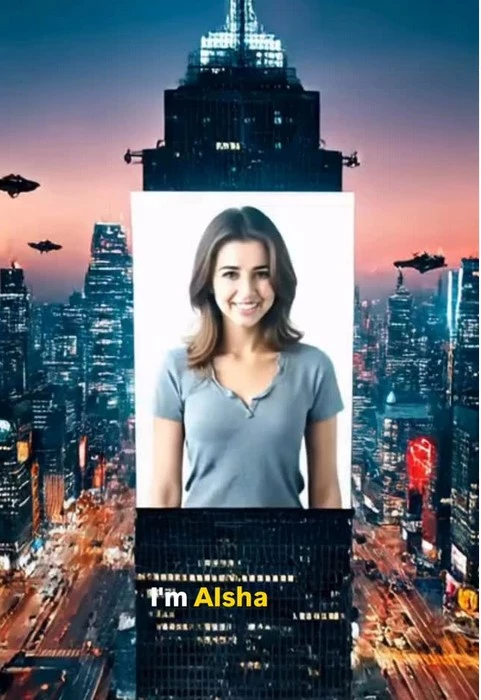
2. Aisha NEO (@aishaneo)
- Platform: Instagram, TikTok
- Followers: ~11K on Instagram as of mid-2025
Created by Fluid AI, Aisha NEO is one of the more futuristic faces in the TikTok and Instagram AI influencer world. Her content feels like a mix of tech explainer, digital lifestyle, and thought leadership with posts about AI ethics alongside reels highlighting the latest smart-tech trends.
She has engaged in conversations around NVIDIA’s Jetson Supercomputer and collaborates on tech-focused campaigns that appeal to innovation-driven brands.
While her following is still growing, her strength lies in how precisely she fits the needs of forward-thinking companies, offering a controlled, credible, and tech-centric persona that can communicate complex ideas in a way that feels accessible and authentic.
For brands in the AI, finance, or enterprise-tech space, she represents an early opportunity to partner with a virtual voice that embodies the future.
3. Radhika Subramaniam (@indiawithradhika)
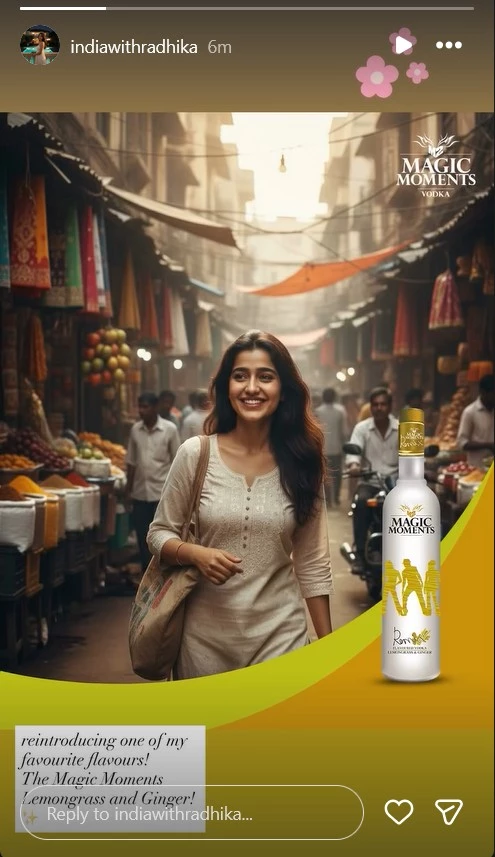
Radhika Subramaniam is India’s first bilingual (Tamil and English) AI travel influencer, created by Collective Artists Network. Designed as a Gen Z solo traveler who “quit her desk job to see the world,” she shares vivid stories from destinations like Goa, Jaipur, and Coorg and blends local culture, humor, and wanderlust in a way that resonates with India’s digital-first youth.
Her strength lies in bridging technology and cultural storytelling. Radhika brings relatability and regional authenticity that appeals to audiences who move fluidly between English and their native languages (a key segment for brands expanding in India’s diverse market).
Radhika has partnered with Campus Activewear for its “Move Your Way” campaign and featured in promotions for Magic Moments and Spirit of Kashmir, among others, demonstrating versatility across lifestyle and travel categories.
4. Others Worth Noting

Several other AI influencers are redefining what digital influence looks like, each with a unique personality, aesthetic, and audience focus. From Tokyo street style to high fashion and digital activism, these virtual creators demonstrate the range and adaptability of AI-driven personas.
1. Imma (@imma.gram)
Japan’s first virtual model, Imma (created by Aww Inc.) is instantly recognizable for her pink bob. She’s worked with brands like IKEA Japan, Nike, and Porsche, blending digital artistry with real-world campaigns and gathering over 400K Instagram followers in the process.
2. Bermuda (@bermudaisbae)
Created by Brud, the same team behind Lil Miquela, Bermuda made waves for her bold personality and politically charged storylines. Initially known for her rivalry with Miquela, she evolved into a lifestyle and fashion influencer with a striking, outspoken digital identity.
3. Noonoouri (@noonoouri)
Stylized and socially conscious, Noonoouri is a virtual fashion icon created by Joerg Zuber. She’s collaborated with luxury houses like Dior, Versace, and Marc Jacobs, and even signed a record deal with Warner Music Group.
4. Shudu (@shudu.gram)
Often called the world’s first digital supermodel, Shudu was created by photographer Cameron-James Wilson and has since worked with Fenty Beauty, Balmain, and Ellesse. She’s known for her hyper-realistic visuals and elegant editorial style.
Challenges, Ethical Considerations and Future Trends
Technology is reshaping ideas of authenticity, identity, and trust, and AI influencers reveal how. These digital personas challenge brands to think beyond engagement metrics and consider what it really means to connect with audiences.
Here's what you need to consider.
- Be transparent or risk losing trust
- Represent responsibly and respectfully
- Prioritize authenticity and human connection
- Prepare for scrutiny as realism deepens
- Stay ahead of changing standards
- Prepare for the next wave of AI influence
1. Be Transparent or Risk Losing Trust
Audiences increasingly expect honesty about whether a persona is human or AI. Failing to disclose that an influencer is virtual can quickly erode trust and invite regulatory scrutiny. Transparency isn’t just good practice; it’s a baseline expectation for ethical digital marketing.
2. Represent Responsibly and Respectfully
Some virtual influencers have faced criticism for adopting racial or gendered traits without real-world context or lived experience. Brands must ensure that any AI persona reflecting a specific culture or community is created (and managed) responsibly. Authentic collaboration with diverse creative teams can help avoid digital appropriation and build credibility.
3. Prioritize Authenticity and Human Connection
Virtual influencers can be perfectly scripted, but their lack of lived experience can make emotional connection harder to achieve. While some audiences value the novelty and consistency of AI personas, others may find them less relatable than real creators, so striking the right balance is crucial.
Kelly Jura, head of product experience at Qwoted, cautions brands:
"There are valid concerns regarding AI's impact on authenticity. The personal touch and unique perspectives that creators bring to their content are invaluable, and there's a delicate balance to be struck to ensure AI enhances rather than dilutes this authenticity."
4. Prepare for Scrutiny as Realism Deepens
What feels groundbreaking to marketers can seem manipulative to the public. Questions around intent, ethics, and influence are sure to intensify as these avatars become more lifelike. You’ll be better equipped to weather that scrutiny if you approach it with openness and creative integrity.
5. Stay Ahead of Changing Standards
Regulators and social platforms are already moving toward clearer labelling and disclosure requirements for synthetic media. Companies using AI influencers should proactively align with these guidelines to protect both reputation and consumer trust.
6. Prepare for the Next Wave of AI Influence
The world of AI influencers is only just beginning to take shape. The next phase will redefine how brands connect with audiences, blending human creativity with machine precision in new, scalable ways.
Looking ahead, expect to see:
- Hybrid collaborations: Combinations of virtual influencers working alongside human creators to blend authenticity and scale.
- Real-time adaptive personalities: Powered by generative AI, virtual influencers will respond live, personalize content to individual users, and evolve over time.
- Deeper personalization through audience data: AI personas might tailor content, messaging and visual style to micro-segments — leveraging data to drive relevance at scale.
- Platform innovations: Social-media platforms may introduce tools for brands and creators to generate their own AI avatars, democratizing the space further.
- Ethical frameworks and governance: As the field matures, expect more guidelines and standards on transparency, representation and consumer protection.
AI Influencers: Final Words
As content becomes more automated, audiences more fragmented, and brand safety more urgent, brands will need creative solutions that scale with control.
But building influence through AI isn’t plug-and-play. The most successful brand collabs in this space work because they’re carefully crafted, tested, and fine-tuned by teams who understand both tech and storytelling.

Our team ranks agencies worldwide to help you find a qualified partner. Visit our Agency Directory to find top-rated social media marketing companies, as well as:
- Top Influencer Marketing Agencies
- Best Instagram Marketing Companies
- Best TikTok Marketing Agencies
- Top Facebook Marketing Companies
- Top Brand Strategy Agencies
AI Influencers: FAQs
1. Do AI influencers need to disclose that they’re not real?
Yes. Most platforms and regulatory bodies recommend or require disclosure, especially in paid partnerships. Many AI influencers include details in their bios or posts to clarify their virtual nature.
2. Who owns the rights to an AI influencer?
Ownership typically belongs to the studio, agency, or brand that created or commissioned the AI persona. That includes the influencer’s name, likeness, content, and personality — unless otherwise negotiated in licensing deals.
3. Can AI influencers post in real time or respond to comments?
Some can. AI influencers powered by chatbots or NLP tools can be trained to reply to DMs or comments using pre-set prompts or machine learning. However, most still rely on human teams to manage real-time interaction and avoid PR risks.