
What is a micro-influencer? A micro-influencer is a creator with 10K to 100K followers. They are more affordable than larger influencers but are known for having a loyal, highly engaged audience. So, if you’re a brand looking for a cost-effective channel to target niche communities, micro-influencer marketing is the way to go.
With the help of our experts, we’ll explore how micro-influencer marketing works, how to execute a step-by-step campaign, and how you can track performance for the best ROI.
Why Collaborate With a Micro-Influencer
Micro-influencers offer brands an effective way to quickly reach niche audiences without the high costs associated with celebrity endorsements or macro-influencers. Here are some of the benefits of working with micro-influencers:
- Higher engagement rates: Micro-influencers often see better engagement than larger influencers because their audiences are more loyal and interactive — and the numbers prove it. Micro-influencers have an average engagement rate of 3.86%, while mega-influencers see only about 1.21% (Instagram).
- Stronger audience trust: Their recommendations feel more personal and authentic, making followers more likely to take action. As Marelle Ellen, CMO at Promoty, explains:
"People trust other people more than regular advertising: their friends, family, and even strangers on the internet. Influencers are often followed for product reviews and recommendations." - Niche targeting: Micro-influencers specialize in specific industries or interests, making them ideal for brands looking to connect with highly relevant audiences.
- Authentic & creative content: Their content blends seamlessly into their feed, making brand promotions feel more natural than traditional ads. This leads to higher trust in your brand, drives better engagement, and a greater likelihood of conversions.
- Cost-effectiveness: Partnering with micro-influencers is more budget-friendly. They typically charge $35-$450 per Instagram post while mega-influencers charge over $1,200. On YouTube, they charge only $180-$3,000 per video, while mega-influencers charge $2,500+.
| Influencer Type | Instagram Post | TikTok Post | YouTube Video |
| Nano-influencer | $20–$100 | $20–$150 | $60–$850 |
| Micro-influencer | $35–$450 | $30–$400 | $180–$3,000 |
| Macro-influencer | $350–$7,000 | $150–$3,500 | $1,100–$20,000 |
| Mega-influencer | $1,200+ | $1,200+ | $2,500+ |
Beyond affordability, micro-influencers offer better reach for your budget. Instead of paying for one macro-influencer, brands can activate multiple micro-influencers for sustained exposure.
Freddie Strange, co-founder of Komodo, explains:
"When a brand can choose to spend $300K on either hiring 20 influencers where each posts once or invest the same amount in a five-day trip with 10 influencers who post five times, the latter gains much better traction."
The same applies to micro-influencers — spreading your budget across multiple creators leads to better engagement and long-term impact.
4 Types of Micro-Influencer Partnerships
Brands work with micro-influencers in different ways, depending on their goals and budget. Here are the most common collaboration types:
- Sponsored posts are when brands pay influencers to create content featuring their products, whether through Instagram posts, TikTok videos, or YouTube reviews. This is best for increasing brand awareness and quickly reaching a targeted audience.
- Product seeding is when a brand sends free products to influencers in exchange for potential content. Some influencers post voluntarily, while others require a paid partnership. This works well for startups and brands looking for organic promotion without a large upfront investment.
- Affiliate partnerships are when influencers receive a unique discount code or trackable link and earn a commission for every sale they generate. This is ideal for performance-driven campaigns where brands only pay for actual results.
- Brand ambassador programs are long-term partnerships where influencers consistently promote a brand over time. This is best for building lasting brand trust and credibility with a dedicated audience.
Top Micro-Influencer Marketing Platforms
Not all platforms work the same for micro-influencers. Some focus on short, fast-paced content, while others encourage deeper engagement through long-form posts and discussions. The right choice depends on where your audience spends their time and how they engage with content.
Let’s break down the top platforms for micro-influencer marketing and how they fit different campaign goals:
1. Instagram
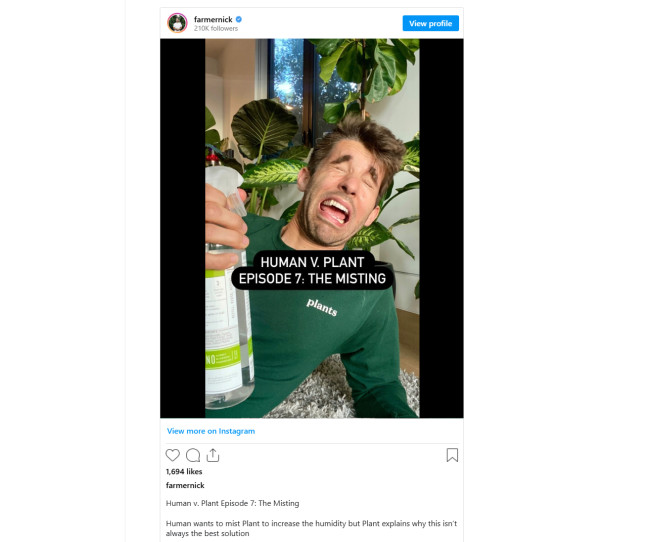
Instagram is the go-to platform for micro-influencers, especially in lifestyle, beauty, fashion, and fitness. Its visual-first format makes it ideal for product showcases, tutorials, and behind-the-scenes content.
- Best for: Brands looking to drive engagement through high-quality images, Reels, and Stories.
- Content types: Sponsored posts, Reels, Stories with swipe-up links, and product collaborations.
- What makes it effective: The platform prioritizes visually engaging content, and micro-influencers tend to have highly interactive audiences.
2. TikTok
TikTok is built for quick, attention-grabbing content, making it a strong choice for brands targeting younger audiences. Trends, challenges, and viral sounds help micro-influencers create content that feels organic rather than overly promotional.
- Best for: Brands looking for high engagement and viral potential, especially in fashion, beauty, fitness, and tech.
- Content types: Short-form videos, challenges, duets, and product demos.
- What makes it effective: TikTok’s algorithm pushes engaging content to a wider audience, giving micro-influencers more reach than on most other platforms.
3. YouTube
YouTube is ideal for long-form content that provides in-depth information and product insights. Micro-influencers use it to create detailed reviews, tutorials, and vlogs that help brands build trust and authority.
- Best for: Brands that want detailed storytelling, product education, or long-term content visibility.
- Content types: Product reviews, unboxings, tutorials, and vlogs.
- What makes it effective: YouTube videos have a longer shelf life than other platforms, continuing to drive traffic and conversions long after they’re posted.
4. LinkedIn
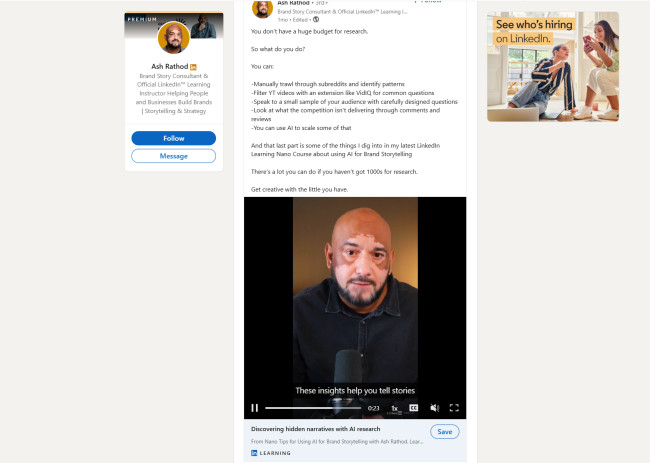
LinkedIn is a growing space for B2B micro-influencers who focus on industry insights, thought leadership, and professional networking. While less common for traditional influencer marketing, it’s effective for brands targeting business decision-makers.
- Best for: B2B brands in tech, marketing, finance, and consulting.
- Content types: Thought leadership posts, case studies, industry insights, and webinar promotions.
- What makes it effective: Professionals trust LinkedIn creators who share valuable insights, making it a strong platform for lead generation and brand credibility.
How To Launch a Micro-Influencer Marketing Campaign in 5 Steps
You need a concrete plan and the right tools to get started with micro-influencer marketing. Follow these steps to ensure you’re covering all the key areas:
- Align your strategy with your business goals
- Find the right micro-influencers
- Structure the partnership for maximum impact
- Activate the campaign & manage collaboration
- Track performance & optimize
1. Align Your Strategy With Your Business Goals
Micro-influencers excel at niche engagement, but what’s your end goal? Are you looking to increase brand awareness, build community trust, or drive conversions? The more specific your goals, the easier it is to measure success.
- Brand awareness: Focus on reach, impressions, and content shares to see how far your brand message spreads.
- Community trust & engagement: Track comments, saves, and discussions — micro-influencers are conversation starters, not just content creators.
- Conversions & sales: Use affiliate links, discount codes, or referral traffic to measure direct ROI from influencer-driven recommendations.
Since micro-influencers operate in tighter, more engaged circles, their impact is best measured through depth of interaction, not just reach.
2. Find the Right Micro-Influencers
With micro-influencers, trust and alignment matter more than reach. For example, a sustainable skincare brand shouldn’t just pick any beauty influencer — they should focus on creators whose audience values eco-friendly products.
The right influencer also isn’t just someone with the right follower count; it’s someone whose audience listens, engages, and acts. Look at engagement authenticity, audience demographics, and past brand collaborations to find influencers whose communities actually trust their recommendations.
- Look beyond the numbers: A micro-influencer with high engagement and strong audience trust is more valuable than one with inflated followers.
- Analyze past brand collaborations: Do they promote brands naturally, or do their posts feel forced? Authenticity is key to maintaining audience credibility.
- Check audience demographics: A great influencer means nothing if their followers don’t match your ideal customer profile.
Pro tip: Use tools like Upfluence and Heepsy to find micro-influencers based on niche, audience demographics, engagement, and authenticity.
3. Structure the Partnership for Maximum Impact
Structuring the partnership means defining how the collaboration will work — including content style, compensation, and creative control. Aligning these details upfront ensures both the brand and influencer are on the same page.
- Campaign length: Will this be a one-time post or a long-term partnership? One-off posts get attention, but consistent brand mentions over time feel more authentic and improve recall.
- Creative direction: Will the influencer have full creative freedom, or will the brand provide guidelines? Over-scripted content kills engagement — find the right balance.
- Compensation model: Will they be paid per post, receive free products, or earn a commission on sales? If sales are the priority, affiliate models work best. For awareness, sponsored content or ambassador programs are more effective.
Freddie Strange highlights how long-term partnerships create stronger brand alignment: “Some brands often provide creators with a % of sales or equity to sweeten the deal and provide longer-term longevity.”
Instead of transactional one-off deals, brands can benefit from building ongoing relationships with micro-influencers who genuinely align with their brand values.
4. Activate the Campaign & Manage Collaboration
Once the partnership is structured, it’s time to launch the campaign and ensure everything runs smoothly. Effective collaboration requires clear communication and a balance between brand guidelines and influencer creativity.
- Onboard influencers properly: Provide key campaign details, expectations, and deliverables without restricting their creative process.
- Maintain open communication: Check in regularly but avoid micromanaging — trust influencers to engage their audience in a way that feels natural.
- Ensure timely execution: Align deadlines for content approval and posting to keep the campaign on track. Use a shared content calendar to track deadlines and deliverables. Use Trello or similar tools to create a shared content calendar that keeps both brands and influencers aligned on deadlines and deliverables.
5. Track Performance & Optimize
Measuring success in micro-influencer marketing goes beyond likes and views. Focus on metrics that show real audience engagement and business impact.
- Engagement quality: Comments, shares, and saves matter more than passive likes. Tools like Hootsuite help track these interactions and identify top-performing content.
- Conversions & traffic: Affiliate sales, discount code redemptions, and website visits show direct ROI. Google Analytics and Refersion help track influencer-driven conversions.
- Brand sentiment: Audience reactions in comments and discussions can reveal trust levels and brand perception. Brandwatch and Meltwater analyze sentiment to gauge audience response.
Use these insights to refine future influencer marketing campaigns, double down on high-performing influencers, and improve your strategy over time.
Common Mistakes To Avoid in Micro-Influencer Marketing
Even with the right strategy, brands can make missteps that reduce the impact of their micro-influencer campaigns. Here are key mistakes to avoid:
- Fake followers and inauthentic engagement: Not all micro-influencers have real influence. Some inflate their follower count using bots or engagement pods, making their audience look larger and more engaged than it really is. To vet influencers, check engagement-to-follower ratio, scan comments for genuine interactions, and use tools like HypeAuditor or Modash to detect fake followers.
- Focusing only on “trendy” influencers: Jumping on viral trends or picking influencers just because they’re popular can backfire if their audience isn’t your target customer. Instead, choose influencers whose content style, audience demographics, and niche align with your brand.
- Not repurposing influencer content: Brands often treat influencer content as a one-time campaign asset instead of leveraging it for long-term marketing. To maximize value, repurpose influencer posts for ads, email campaigns, website testimonials, and social media content.
- Choosing the wrong social media platforms: Each platform has different audience behaviors and picking the wrong one can lead to poor engagement and wasted budget. Use Instagram or TikTok for lifestyle and fashion, YouTube for in-depth product reviews, and LinkedIn for B2B content.
- Neglecting influencer feedback: Micro-influencers understand their audience better than brands do, but their insights are often ignored. Ask for content performance feedback, let influencers suggest creative ideas, and adjust strategy based on their audience’s response to improve campaign effectiveness.
3 Successful Micro-Influencer Marketing Examples
Micro-influencer marketing has helped brands across industries increase engagement, drive conversions, and build strong customer relationships. Here are three real-world examples of brands that successfully used micro-influencers to grow their brand and increase sales:
- Tooth of the Arrow: Using Micro-Influencers for Targeted Niche Marketing
- Glossier: Turning Customers Into Micro-Influencers
- Audible: Subtle Promotion Through Micro-Influencer Storytelling
1. Tooth of the Arrow: Using Micro-Influencers for Targeted Niche Marketing
Tooth of the Arrow, a Minnesota-based hunting equipment company, leveraged micro-influencers to increase brand awareness, drive traffic, and boost sales in a highly niche market.
Strategy:
- Partnered with 35 micro-influencers over 3 months.
- Focused on YouTube and TikTok to create authentic, evergreen content.
- Provided influencers with referral links to track direct impact.
- Prioritized peer-to-peer recommendations, as trust is crucial in the hunting industry.
Results:
- 79 video posts across YouTube and TikTok.
- 1,700 unique website visits driven by influencers.
- Over $10,000 in referral sales.
Tooth of the Arrow’s micro-influencer partnerships gave the brand long-term visibility, especially on YouTube, where evergreen content kept driving traffic well beyond peak hunting seasons. Instead of pouring their budget into one big-name creator, they worked with multiple smaller influencers — a more cost-effective, scalable approach. Since these influencers were already trusted in the hunting community, their audience listened, engaged, and ultimately became customers.
2. Glossier: Turning Customers Into Micro-Influencers
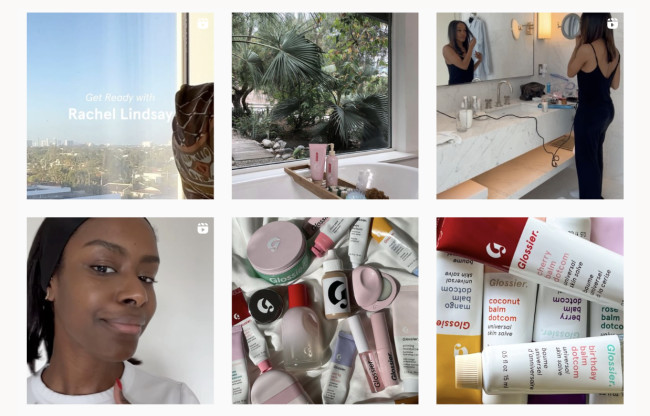
Glossier, a beauty brand valued at nearly $2 billion, built its success on customer-led marketing rather than traditional advertising. Instead of relying on celebrity endorsements, the brand fostered a community-driven approach, turning everyday customers and micro-influencers into its most powerful advocates.
Strategy:
- Encouraged user-generated content (UGC), reposting real customer photos on Instagram.
- Created an Instagram ambassador program, where micro-influencers received unique promo codes for commission-based sales.
- Featured everyday beauty enthusiasts instead of professional models to showcase authenticity.
- Used social media as a direct line of communication, gathering real customer feedback to shape product development.
Results:
- 70% of online sales came from peer referrals.
- 8% of sales were directly linked to Instagram ambassadors.
- Built a loyal customer base, with 80% of buyers referred by a friend.
Glossier’s success proves that micro-influencers don’t have to be traditional influencers — loyal customers with an engaged following can be just as impactful. By fostering a community-led marketing approach, the brand strengthened its connection with customers, increased trust, and turned everyday beauty lovers into long-term brand ambassadors.
3. Audible: Subtle Promotion Through Micro-Influencer Storytelling

Audible, Amazon’s audiobook platform, partnered with micro-influencer Jesse Driftwood, a photographer with a highly engaged audience, to promote its service in an authentic and relatable way.
Strategy:
- Instead of a direct sales pitch, Driftwood shared how Audible improved his productivity by listening to business and self-improvement books during daily activities.
- The content blended seamlessly into his usual storytelling and photography-focused posts.
- The post felt like an authentic recommendation rather than an ad, making it more relatable to his audience.
Results:
- 11,000+ likes and 300+ comments, showing strong engagement.
A campaign that felt genuine and valuable instead of overly promotional.
Driftwood’s audience connected with the personal approach, proving that micro-influencers can integrate brand messaging into real-life experiences in a way that feels organic. Audible’s campaign highlights the power of choosing influencers who can tell a story rather than just sell a product.
Micro-Influencer Marketing: Final Thoughts
Micro-influencer marketing works because people trust recommendations from those they relate to. Finding the right influencers and managing campaigns takes time, but the right strategy makes all the difference.
If you need expert guidance, partnering with an agency can help you streamline the process and maximize results.
Micro-Influencer Marketing: FAQs
1. What is micro-influencer marketing?
Micro-influencer marketing is a strategy where brands collaborate with “smaller” influencers to promote products or services. These influencers have highly engaged, niche audiences that trust their recommendations.
2. How many followers are considered a micro-influencer?
A micro-influencer follower count is typically between 10,000 and 100,000 on platforms like Instagram, TikTok, or YouTube.
3. What is an example of a micro-influencer?
Some well-known micro-influencers today include Nick Cutsumpas with 85K+ followers (sustainable living & urban gardening), Sarah's Vegan Kitchen with 50K+ followers (vegan recipes & lifestyle), and Travel with Clem with 30K+ followers (travel & adventure).