
There are few strategies as persuasive as testimonial advertising. Showcasing real experiences and endorsements from satisfied customers uses the power of social proof to build trust and credibility. Whether presented through compelling video testimonials, written reviews, or case studies, testimonials create authentic connections with potential customers, resonate deeply, and, ultimately, drive conversions.
What makes testimonial advertising so effective is the way it taps into the psychological principle of social proof — people tend to trust the experiences and opinions of others, especially when making purchasing decisions. Through relatable success stories and authentic voices, testimonial ads offer an emotional appeal that traditional advertising often lacks.
In this article, we’ll look at six brands that have taken a bold or innovative approach to testimonial advertising, and we’ll share expert insights on why certain tactics get results. Keep reading to gain a powerful tool in your marketing kit.
What Is Testimonial Advertising?
Testimonial advertising is a tactic that uses real customers’ experiences and endorsements to promote a product or service. While traditional ads rely on direct messaging from a brand, testimonial ads present authentic, personal stories about the value of that product or service.
These stories can be shared through videos, written reviews, or case studies to highlight benefits in a way that feels far more relatable and credible. When incorporated into display advertising, testimonial ads can enhance trust and engagement by showcasing real-world success stories directly within visually appealing ad placements.
Presenting positive customer experiences that make an emotional impact helps brands establish trust and encourages new customers to take action. As noted by Nielsen, “Consumers evaluate multiple sources of information along their purchase journeys to assess a brand’s trustworthiness. A brand’s reputation, reflected in reviews and word of mouth, certainly carries significant weight”.
Nielsen’s research reveals that 23% of people trust ads from influencers, while 89% of consumers rely most on word-of-mouth recommendations. These figures clearly demonstrate the value of social proof.



6 Innovative Testimonial Ad Examples
Here are six brands that have excellently incorporated testimonial advertising in their marketing strategies.
1. Gymshark
Gymshark, a global leader in activewear, is a pioneer of influencer marketing and has become a standout example of how to leverage it to build a strong and engaged community. By partnering with fitness influencers who align with the brand’s values and aesthetic, Gymshark effectively amplifies its reach, fosters authentic connections, and builds a community with its target audience.
These influencers share their fitness journeys, promote the brand’s activewear, and inspire their followers with relatable and aspirational content. And rather than focusing solely on celebrities, Gymshark collaborates with micro- and mid-tier influencers who have loyal followings in the fitness space. This ensures that their messaging feels genuine and resonates with their community.
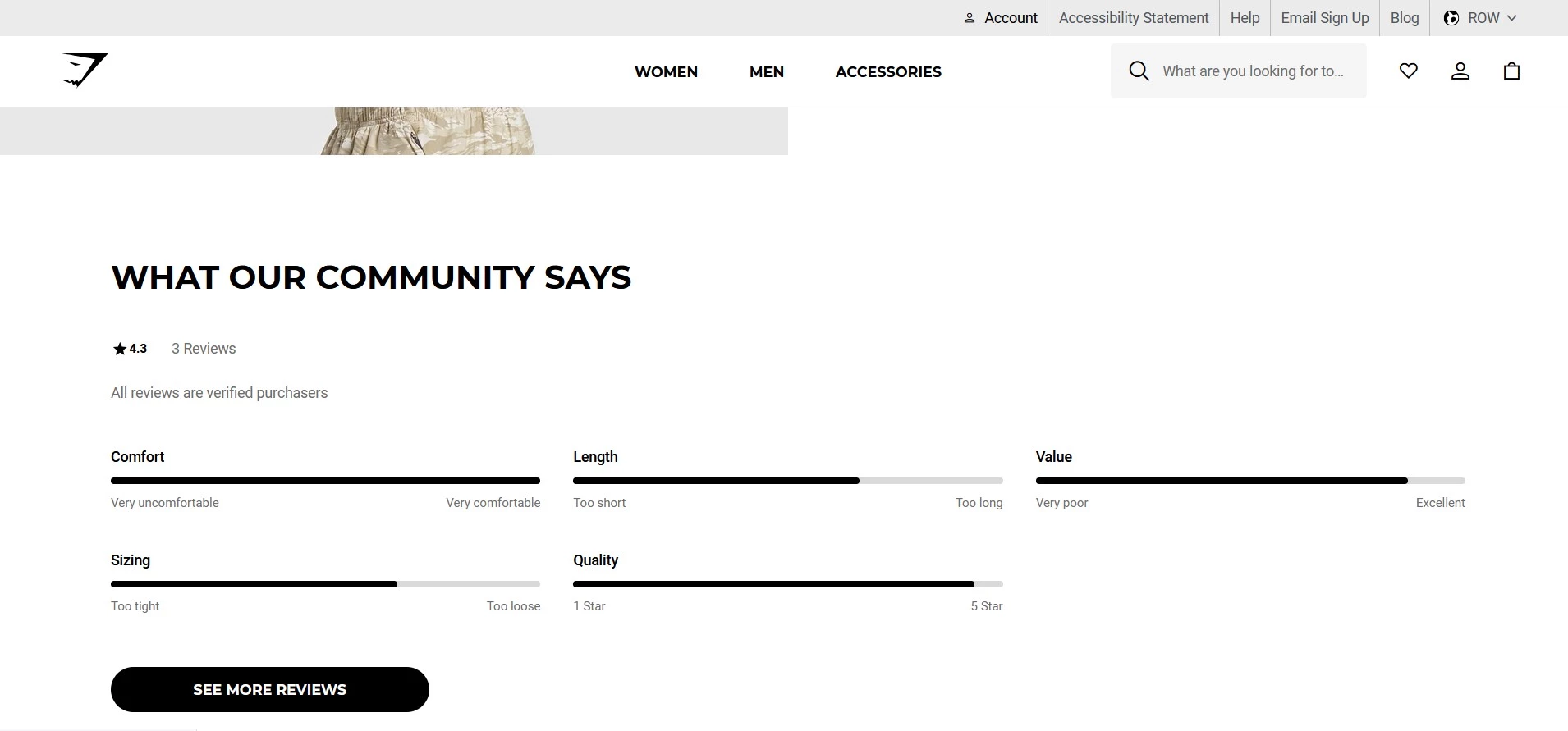
This strategy is also reinforced on Gymshark’s product pages, where star ratings and reviews are featured under “What Our Community Says”. Shoppers can see feedback about details such as fit, comfort, and performance. Together, the combination of influencer endorsements and authentic community reviews solidifies Gymshark as a brand that listens to and values its customers.
2. Upcoach
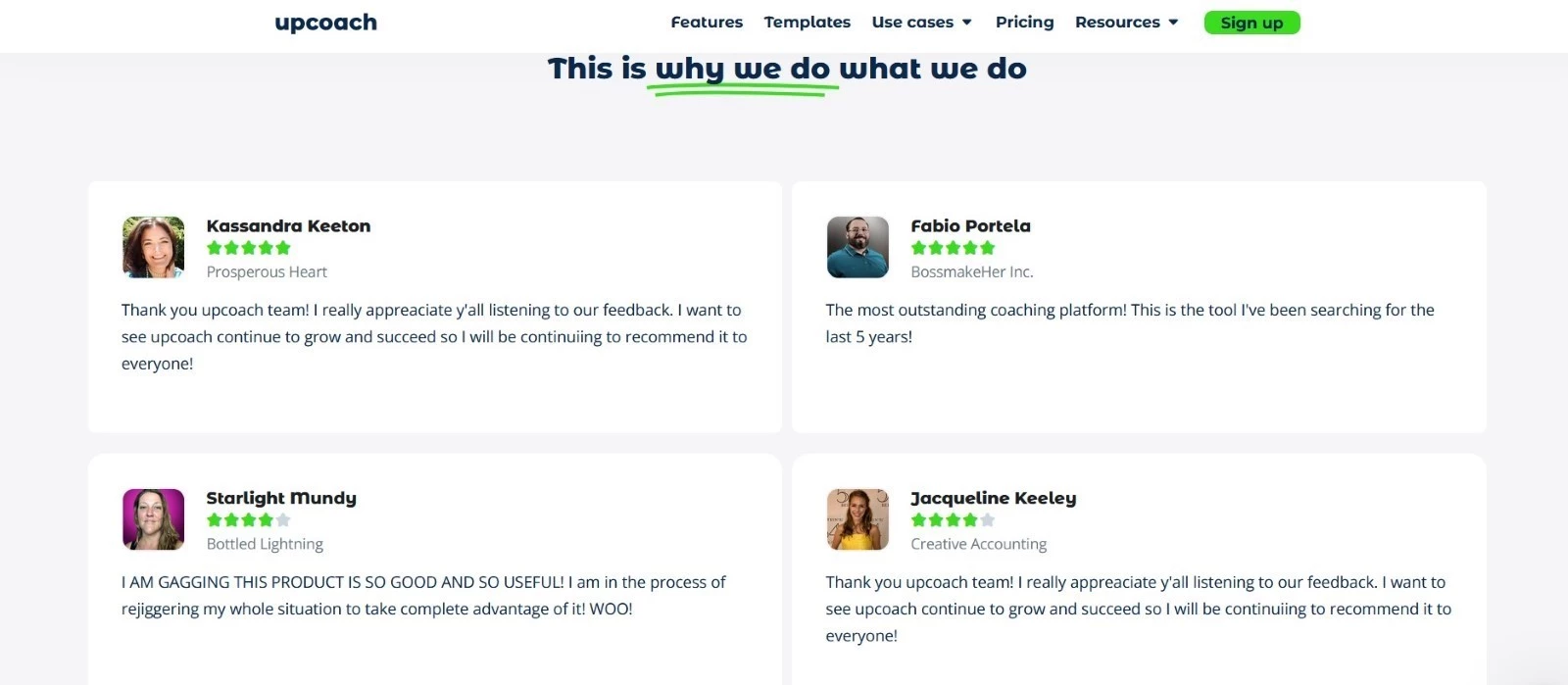
Upcoach, a platform designed for coaches and trainers, is another great example of a brand that leverages the power of social proof in its marketing. Its website effectively incorporates testimonials to highlight its impact, with customer stories that showcase in detail how the platform has transformed their coaching businesses.
Upcoach’s website includes both long-format case studies that explore in detail how customers have been able to solve their challenges and unlock value, as well as short quotes with star ratings that provide a quick overview of user impressions with short and impactful statements. These are real people sharing measurable results and personal experiences, and their testimonials are paired with photos and full names to lend authenticity and credibility to their claims.
This combination caters to different audiences (and different stages of the sales funnel) — those who want a detailed narrative and those looking for quick, digestible proof of the platform's effectiveness.
3. Michelin

[Source: Michelin]
In addition to marketing, Michelin makes use of customer feedback to fuel innovation and refine its products. By inviting customers to write reviews, Michelin gains valuable insights into real-world performance. This helps the brand stay at the forefront of tyre technology, a highly competitive sector.
With so much to gain from customer reviews, Michelin often encourages participation and even incentivizes reviews with the chance to win spot prizes like branded merchandise, making the process more exciting and rewarding for customers.
These reviews, which feature star ratings alongside testimonial statements, are prominently displayed at the bottom of Michelin’s product pages. This not only provides potential buyers with trusted, firsthand accounts of product quality but also demonstrates the brand's commitment to transparency and continuous improvement. Through this strategy, Michelin is using testimonial advertising as a driving force for innovation and trust-building.
4. Patagonia
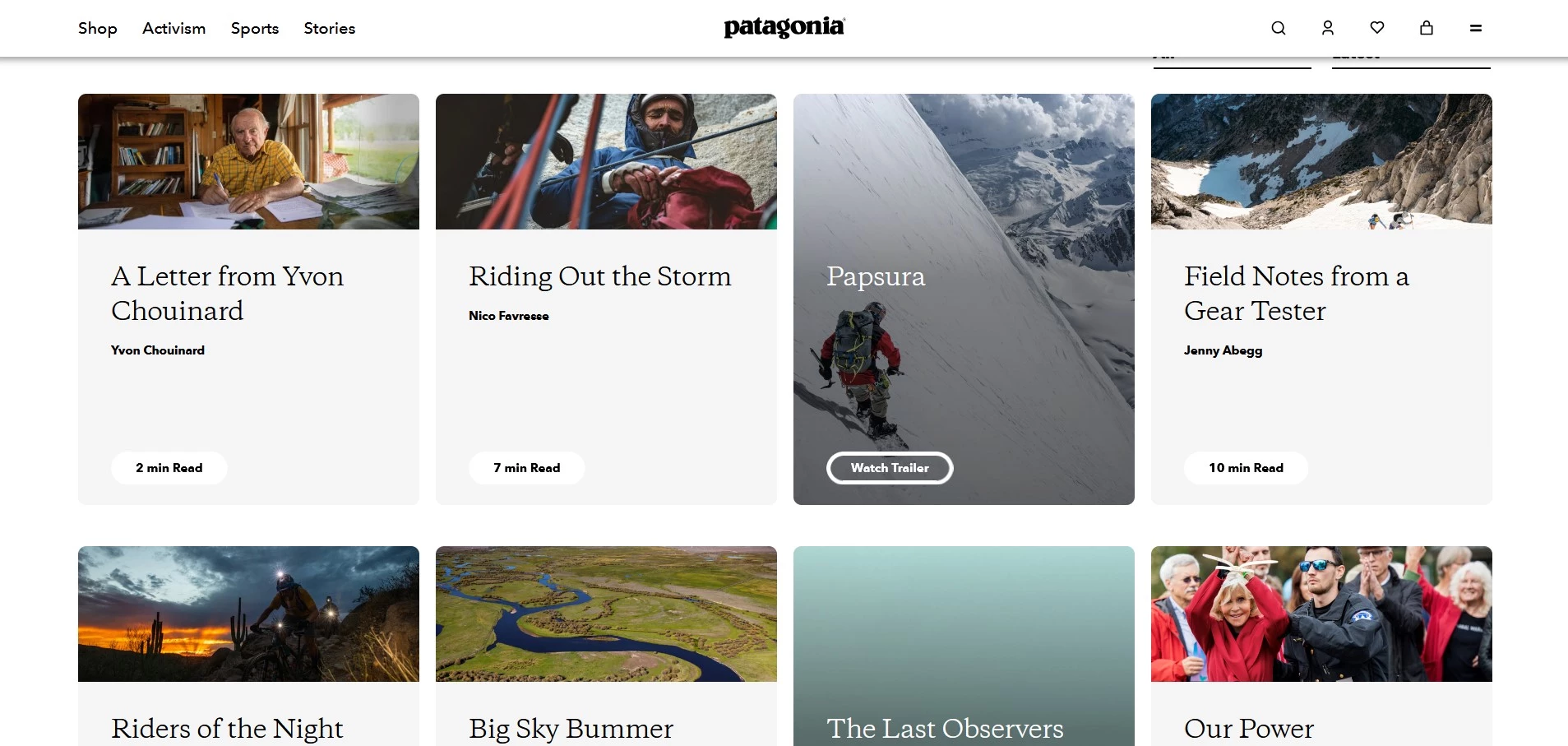
Patagonia takes a unique approach to testimonials by featuring stories about people, their adventures, and their lives. The brand’s products tend to play a supporting yet essential role in these stories, which include narratives from environmentalists, athletes, and outdoor enthusiasts, each sharing their experiences and missions. The focus remains on the individuals and their passions, but Patagonia's gear is seamlessly woven in to demonstrate its functionality and the brand’s core values.
By associating it with meaningful pursuits and real-world challenges, this storytelling approach endorses Patagonia’s product line indirectly. Instead of overt promotion, these stories build credibility through an emotional connection with the audience, emphasizing shared values like sustainability and adventure. It’s a subtle yet powerful way to use testimonials to inspire trust and loyalty while reinforcing Patagonia’s reputation as a purpose-driven brand.
5. Airbnb

Airbnb makes use of user-generated content (UGC) to inspire wanderlust and attract followers. The company’s social media feeds showcase stunning travel photos created by users, highlighting exotic destinations and unique stays available on the platform. Posts are paired with quotes or engaging descriptions about the location to spark curiosity and even provide practical information for travelers interested in visiting.
By featuring real travelers’ photos, Airbnb creates an aspirational yet accessible narrative that connects with its audience. This approach not only demonstrates the diverse experiences Airbnb makes possible but also positions the brand as a trusted source of travel inspiration. The visually captivating content and authentic storytelling make Airbnb’s customers want to follow its account, establishing it as a go-to destination for travel enthusiasts and fueling its marketing success.
6. AMS Digital Productions
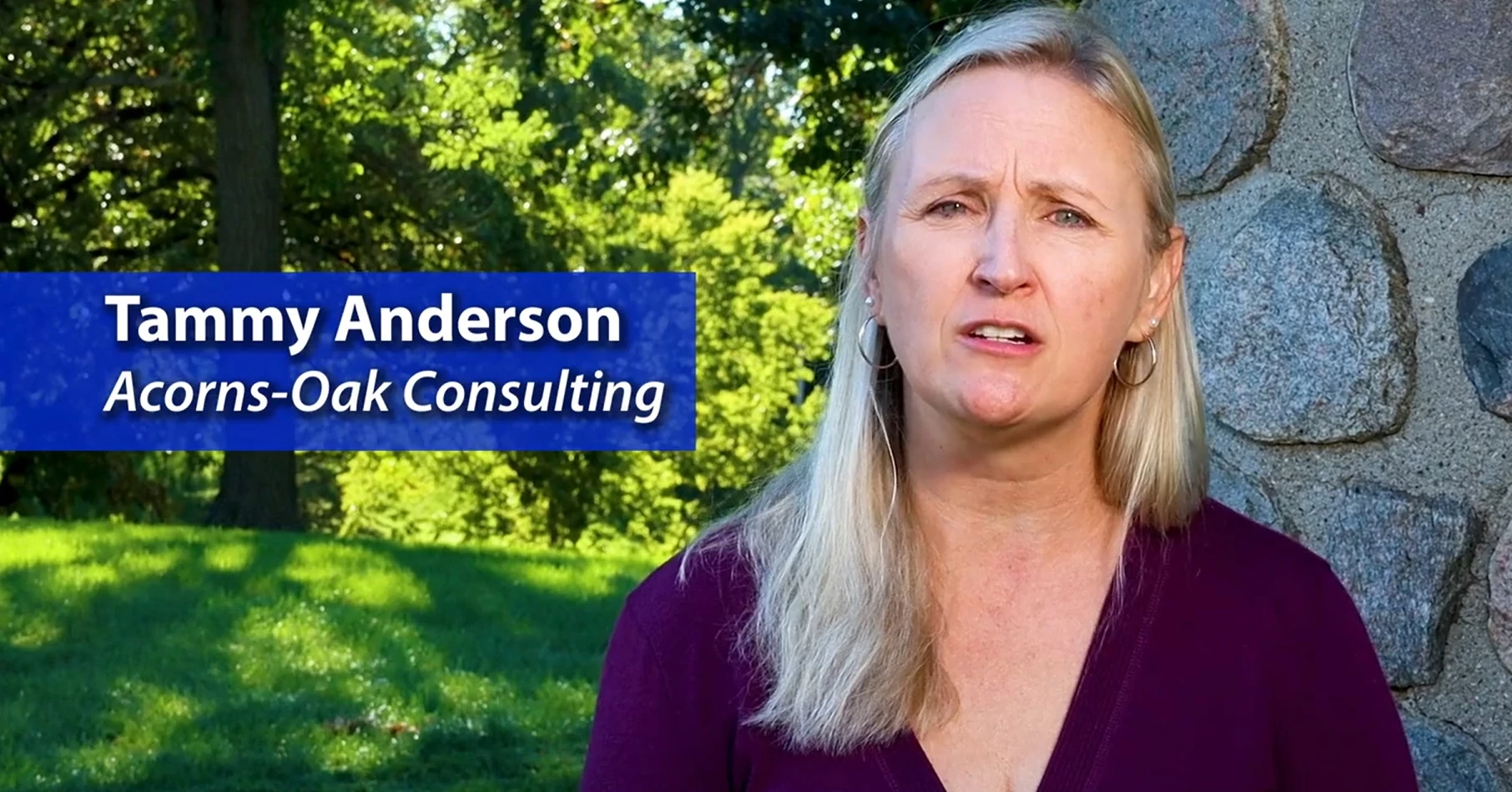
[Source: AMS Digital Productions]
Being a video production company, it makes perfect sense for AMS Digital Productions to leverage video testimonials to showcase the power of its craft while building trust with potential clients. These testimonials highlight satisfied customers sharing their positive experiences and emphasizing the quality and effectiveness of AMS's services.
The company not only validates its expertise by presenting its clients’ success stories through high-quality video, but it also provides a compelling proof of concept for its work. This approach demonstrates technical capabilities while creating an authentic and engaging narrative — a dual-purpose strategy that solidifies its credibility.
Video is an exceptionally powerful medium for testimonial content because it combines visuals, voice, and emotion, helping viewers connect on a deeper level with the story being told.
Why Is Testimonial Advertising Effective?
“The purchase likelihood for a product with five reviews is 270% greater than the purchase likelihood of a product with no reviews”, found the Medill Spiegel Research Center. This staggering statistic shows the effectiveness of testimonial advertising in numbers.
The approach works because it harnesses the power of social proof — the psychological phenomenon where people are influenced by the actions and opinions of others in their purchases or decision-making. Gartner defines it as a combination of people’s inclinations to want to conform, belong, and trust others.
Hearing a satisfied customer share how a product improved their life creates an aspirational effect, resonating on an emotional level that bridges the gap between skepticism and confidence. In the end, it means a significantly higher chance of a conversion.
How To Leverage Testimonial Ads
To maximize the impact of testimonial advertising, it’s essential to take a strategic approach. You’ll need to focus on collecting high-quality testimonials, selecting the right formats, and placing them in optimal locations for visibility and engagement.
1. Collecting Testimonials
Start by actively looking for feedback from satisfied customers. You may find that customers have been writing reviews on third-party platforms like Google Reviews or an industry-specific rating and review site, which you can use.
When requesting testimonials, timing is key. Ideally shortly after a positive interaction, such as a successful purchase or service experience, you can ask customers to complete a survey, email them follow-ups, or initiate direct outreach to gather authentic stories that highlight specific benefits or results.
Offering incentives like discounts or small rewards, like Michelin does, can also encourage participation while ensuring a steady flow of fresh content.
2. Choosing the Right Format
Testimonial advertisements come in various formats, and each has its unique advantages. Video testimonials are highly engaging and emotionally impactful because seeing is believing, and they let viewers see (and hear) genuine customer experiences. Video is a great format for social media because it creates a strong impact and is highly shareable.
Written reviews, paired with photos, are versatile and easy to share across any platform as static content. Star ratings and concise quotes are ideal for quick consumption and making a visual impact. They can also be integrated into product pages or ads as trust markers.
Consider your brand and target audience when choosing the format — some might respond better to visual storytelling, while others may prefer concise, written reviews.
3. Where To Display Testimonials
It’s important to place testimonial commercials in strategic locations where they'll have the greatest impact. Here are some suggestions:
- Product pages: Showcase reviews and testimonials directly on product pages to influence purchase decisions.
- Landing pages: Use testimonials on key landing pages to build trust and encourage conversions.
- Social media: Share customer testimonials on your social media profiles to engage followers and reach a broader audience.
- Email campaigns: Include testimonials in email marketing to reinforce credibility and influence subscribers at key moments.
- Ads and promotions: Include testimonials in paid ads or promotional materials to add social proof and increase effectiveness.
- Checkout pages: Show testimonials in the checkout process to reassure customers and reduce cart abandonment.
Strategically placing testimonials across these touchpoints will help to ensure they’re seen at critical stages of the customer journey.
Common Pitfalls To Avoid With Testimonial Ads
When using testimonial advertising, it’s important to be aware of potential pitfalls to avoid undermining authenticity and trust. Here are some key points to keep in mind:
1. Lack of Transparency
Always ensure that testimonials are authentic and that any paid endorsements or partnerships are clearly disclosed. The Institute for Advertising Ethics emphasizes the need for "transparency, disclosure, and authenticity in advertisements that use endorsements," as failing to do so can undermine trust and lead to legal and reputational issues.
2. Over-Reliance on Perfect Testimonials
While positive reviews are valuable, too many glowing testimonials can seem unrealistic. Purchase likelihood tends to peak at ratings in the 4.0 – 4.7, according to Medill Spiegel Research Center. It’s also important to feature a mix of customer experiences to maintain authenticity, including constructive feedback. This shows that your brand values honesty and is committed to improvement.
3. Ignoring Negative Feedback
Rather than deleting negative feedback, responding positively can demonstrate a brand’s commitment to customer satisfaction. Addressing concerns openly and professionally shows that you care while demonstrating how your brand handles challenges.
4. Overloading With Testimonials
Testimonials are powerful but only if used sparingly. Avoid overwhelming your audience with too many in one place. Be sure to balance them with other content to maintain a dynamic and engaging experience that doesn't feel repetitive or forced.
Testimonial Ads: What We’ve Learned
When it comes to enhancing trust, credibility, and conversions, testimonial advertising is a powerful tool. Using the voices of satisfied customers lets brands tap into the power of social proof and foster emotional connections while validating their products and services.
To use testimonials effectively, focus on collecting authentic feedback, choosing the right format, and strategically displaying them across key touchpoints. When done right, testimonial advertising can help build lasting relationships with customers and drive business success. And for the best results, why not reach out to the professionals for expert guidance.

Our team ranks agencies worldwide to help you find a qualified partner. Visit our Agency Directory for the best ad agencies, as well as:
- Top Digital Marketing Agencies
- Top Branding Agencies
- Top Creative Agencies
- Top Full-Service Digital Agencies
- Top Advertising Agencies in Dallas
Our experts also recognize the most innovative projects across the globe. Given the recent uptick in video podcasting, you'll want to visit our Awards section for the best & latest in video production.
Testimonial Ads FAQs
1. What types of testimonials work best for advertising?
The best types of testimonials depend on your audience and platform. Written reviews with star ratings are ideal for e-commerce, while video testimonials are better for creating an emotional and engaging connection. Case studies and success stories are better for products or services with a longer purchase cycle, especially in B2B sectors. Authenticity is always the key — real, relatable experiences resonate most with consumers.
2. How do I ensure my testimonials are authentic?
To ensure authenticity, avoid using overly scripted or generic statements. Try to encourage customers to share their specific experiences with your product or service. If you can, provide a platform where customers can submit their own words or video content. Be sure to disclose any paid or incentivized testimonials.
3. How many testimonials should I feature on my website?
There’s no set number, but it makes the most sense to feature a handful of strong and diverse testimonials on your site. For product pages, having about 3-5 high-quality reviews per product or service is a good starting point. Aim for enough social proof to build trust without overwhelming your audience.