-desktop-webp.webp)

Asana is a leading project management platform that helps teams organize, track, and manage their work effectively. Its website design mirrors this mission by offering a user-friendly experience through thoughtful use of space, simple typography, and engaging animations. These elements, combined with features like sticky headers and cohesive iconography, make Asana’s website visually engaging and easy to navigate.
Key Insights for Brands:
- Embrace minimalism to enhance clarity and focus on essential content
- Utilize sticky headers for improved navigation
- Engage users with iconography and animations
Asana’s Design Reinforces Its Brand Through a White Backdrop and Simple Typography
-desktop.jpg)
Asana’s mostly expansive white canvas is more than just an aesthetic choice. It’s a deliberate design philosophy that cultivates an uncluttered environment. This strategic use of space acts as a backdrop for content, enabling critical elements — like calls to action and crucial content — to leap into focus.
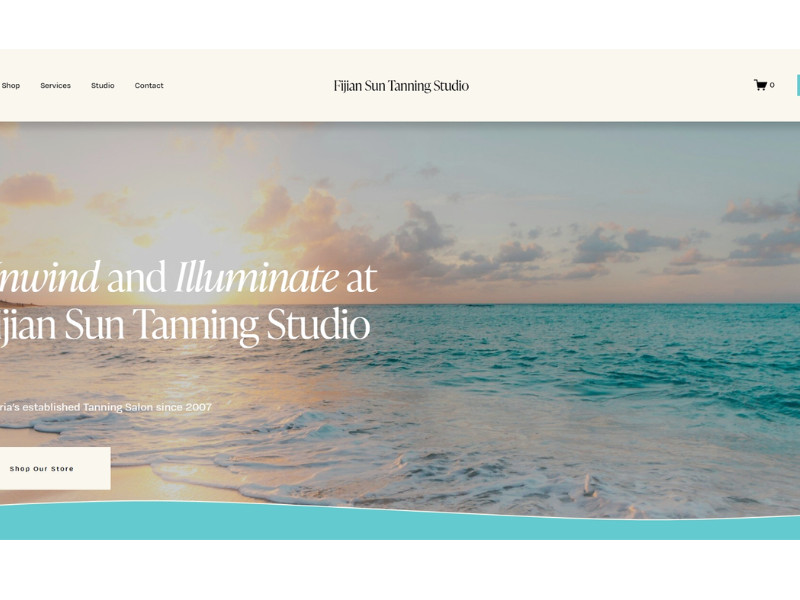
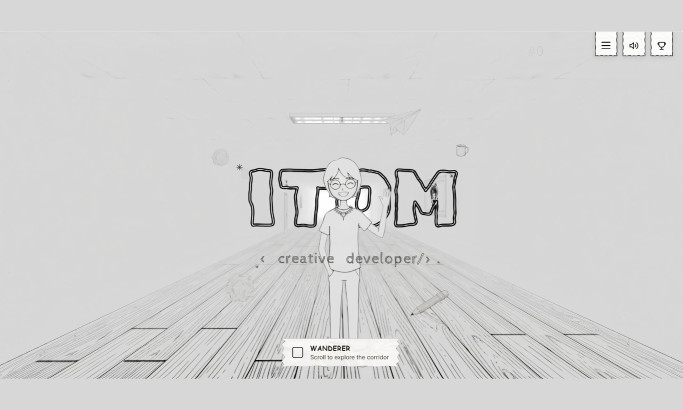
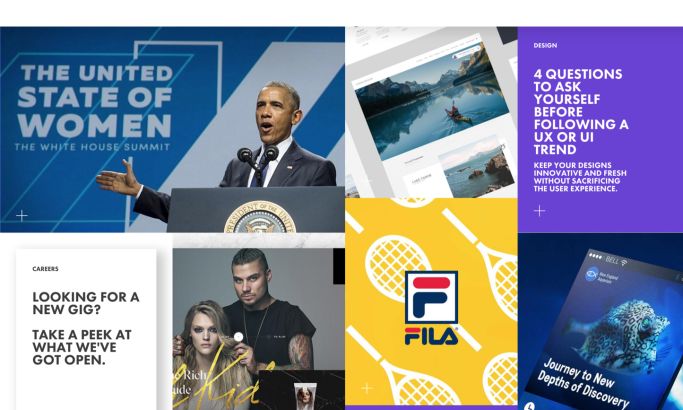
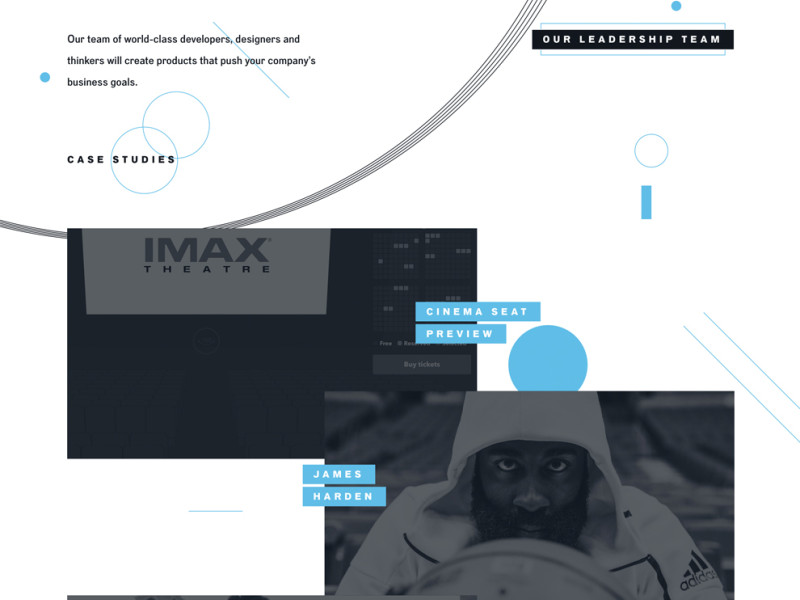
Explore websites that leverage space and typography for a clean, intuitive user experience.
Accompanying this backdrop is Asana’s choice of simple, straightforward typography. The clean, sans-serif fonts reflect its brand ethos of simplicity and effectiveness. This design choice boosts readability, allowing visitors to breeze through content (be it feature overviews or customer testimonials) without getting tangled in unnecessary jargon or fancy text.
Sticky Headers and a Streamlined Layout Enhances Navigation, Focus, and Retention Rates
-desktop.jpg)
Asana’s website design leverages sticky headers to keep essential navigation elements constantly visible while scrolling. This lets visitors access key sections like features, pricing, or support without scrolling back to the top.
As users navigate the website, the consistent header ensures they can easily jump between sections without getting lost. This seamless experience is particularly beneficial for users exploring complex features or comparing different service tiers, as it supports a more intuitive journey.
Additionally, the streamlined layout minimizes visual clutter, allowing users to focus on the content that matters most. By organizing information cleanly and concisely, Asana directs users' attention to key features and calls to action.
The combination of these essential web design elements promotes a smooth content flow. Visitors are less likely to feel overwhelmed or lost, which can often lead to higher retention rates. When users can easily find what they’re looking for, they are more likely to spend time exploring the site and returning in the future.
Asana’s Iconography Enhances Product Understanding and Reinforces Brand Consistency
-desktop.jpg)
To simplify complex concepts, Asana's website leverages iconography. This allows users to grasp key features immediately, with each icon thoughtfully designed to represent specific functionalities. This visual approach not only breaks up text-heavy sections but also transforms the page into a more engaging and user-friendly experience.
Moreover, the consistent style of Asana's icons enhances brand recognition. By utilizing a unified color palette and design language, the icons blend seamlessly with other site elements, creating a cohesive visual experience. This uniformity reinforces the connection between the icons and Asana’s offerings and makes it easier for users to identify and remember the brand.
Asana’s Subtle Animations Improve the Browsing Experience
-desktop.jpg)
Subtle animations capture attention and infuse the Asana site with dynamism and liveliness. By combining website design with dynamic movement, key elements such as calls to action and important features draw the user's eye, enhancing overall engagement.
This strategic use of animation not only makes the website more visually appealing but also creates an immersive experience, encouraging users to explore various sections of the site more thoroughly.
Beyond visual appeal, animations effectively break up the monotony of static content, providing a refreshing contrast that keeps the user experience vibrant and engaging. The fluidity of the animated elements delineates different sections of the page, guiding users smoothly through the content.
Furthermore, animated transitions signal changes in state — whether loading new content or switching between sections — thereby improving usability and making the website more responsive to user interactions.
In conclusion, Asana's innovative approach to web design, highlighted by its engaging animations, underscores the brand's commitment to user experience and functionality.
This dedication to crafting a seamless and visually captivating website establishes Asana as one of the best website designs in the industry, demonstrating how thoughtful design and expert website designers can elevate digital interactions and enhance user satisfaction.