
AI in programmatic advertising is being hailed as a game-changer, but the reality is far from the hype. Companies are pouring massive resources into AI-powered campaigns, only to see them falter or fail entirely. The core issue? It's not AI itself, but how it's implemented.
Bad data, misaligned algorithms, and lack of expert oversight are the culprits behind wasted budgets and missed opportunities. Without addressing these critical failure points, the potential of AI remains untapped, leaving you with diminishing returns on your advertising spend.
If you're ready to stop the cycle of AI failure and start seeing real results, let's dive into how to fix these issues and safeguard your ROI.



What Is AI in Programmatic Advertising?
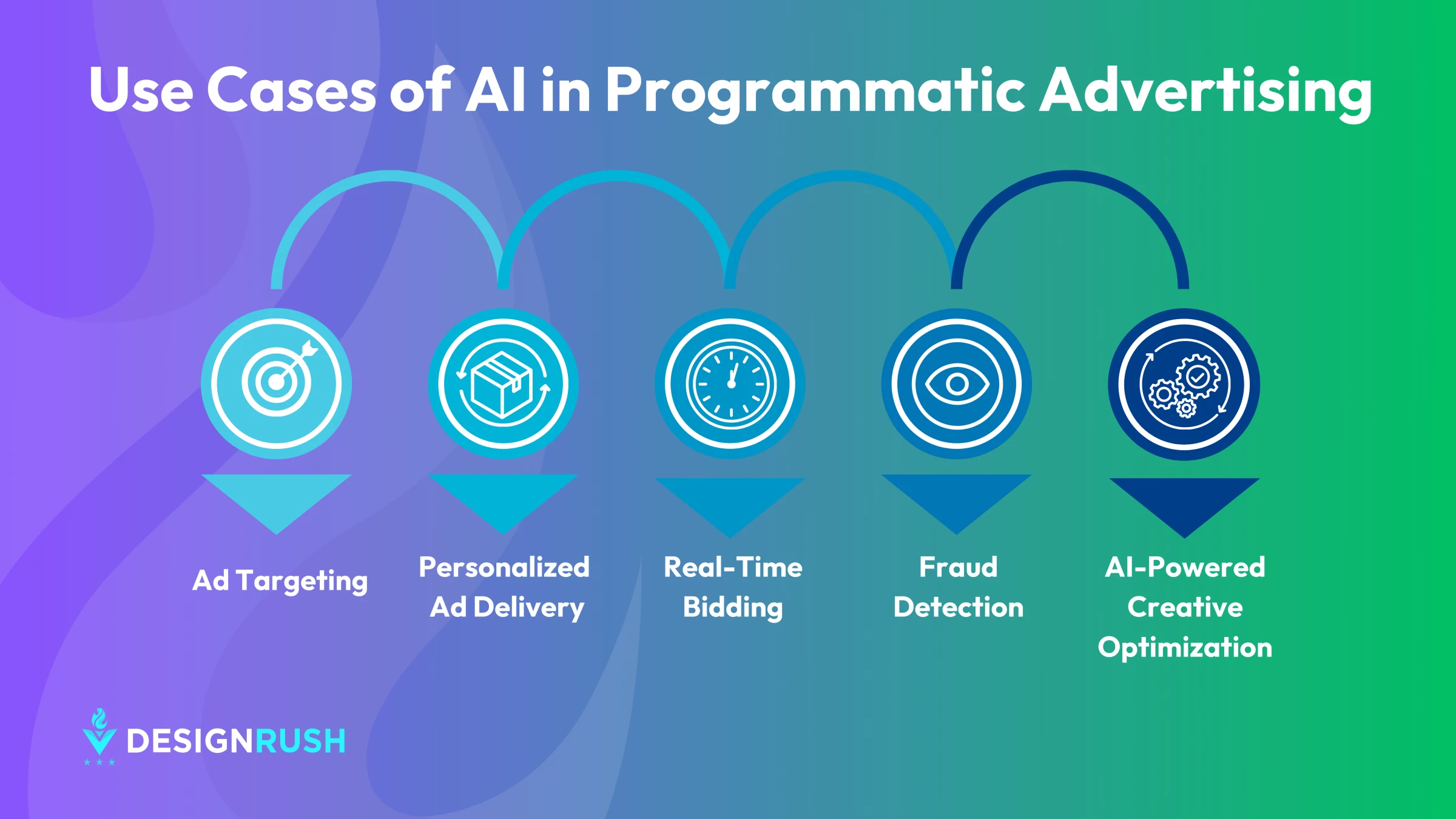
AI in programmatic advertising integrates advanced machine learning algorithms with automated ad-buying systems to enhance campaign performance. These AI-driven platforms analyze vast datasets in real time, enabling precise audience segmentation, predictive bidding, and dynamic creative optimization.
By leveraging AI, advertisers can deliver personalized content to target audiences more effectively, improving engagement and return on investment. This approach streamlines the advertising process, reducing manual intervention and allowing for adaptive strategies that respond swiftly to market changes and consumer behaviors.
Common AI Implementation Mistakes in Ad Tech
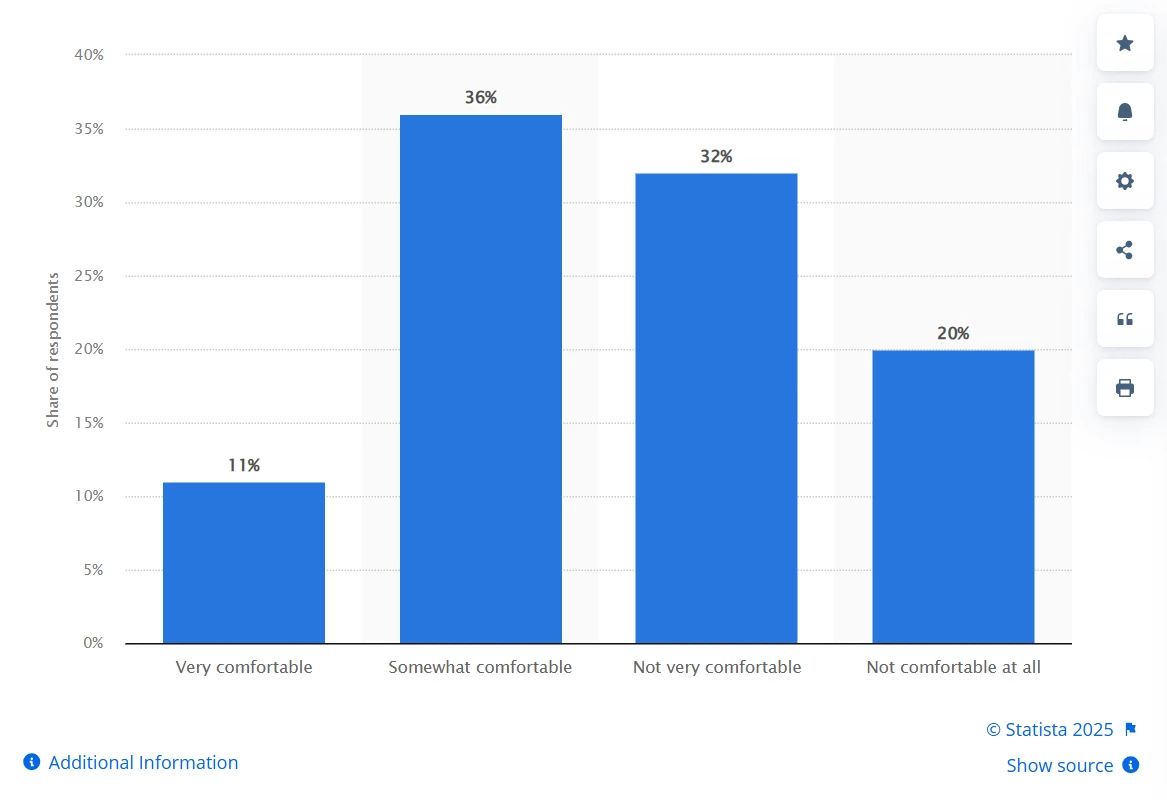
Recent research shows that 47% of U.S. consumers are uncomfortable with AI-targeted advertising, highlighting a growing trust issue between brands and their audiences. This discomfort often stems from AI-driven decisions that miss the context, place ads in unsuitable environments, or target the wrong audiences.
AI in programmatic advertising should streamline campaigns, but poor implementation often leads to:
- Wasted budgets
- Weak targeting
- Compliance risks
- Brand safety issues
Many ad tech platforms fail to build proper error detection systems, leading to serious performance issues that only surface after campaign losses stack up.
One of the biggest issues is overreliance on AI-driven decisions without human oversight. Algorithms make independent choices but often miss key market shifts and brand safety concerns. Without expert intervention, AI-driven bidding strategies can spiral out of control, leading to overspending on ineffective placements.
Data quality is another major roadblock. Many platforms struggle with:
- Incomplete user profiles
- Inconsistent attribution data
- Fragmented audience segments
- Outdated behavioral insights
These gaps severely impact targeting accuracy. If AI runs on flawed data, its predictions and targeting choices become unreliable, leading to wasted impressions and lost conversions.
Lack of oversight compounds these issues. AI isn't a 'set it and forget it' tool — marketing teams must actively validate AI recommendations, fine-tune targeting strategies, and align AI outputs with business goals. When human oversight is limited, ad performance declines and AI failures become expensive.
Ad tech teams also struggle with balancing personalization with user privacy. Recent regulations demand privacy-safe solutions like sentiment analysis and journey tracking, yet many systems still rely on outdated, non-compliant targeting methods.
The Hidden Costs of Failed AI Systems
-content-large-webp.webp)
AI failures don't just waste ad budgets — they erode overall marketing ROI through multiple channels:
- Missed premium ad placements
- Weaker bid pools and lower impression values
- Poor inventory returns
- Compliance violations and potential fines
A recent industry survey found that 70% of brand and agency marketers cite data privacy and compliance as the biggest challenges in AI-driven digital advertising, while 63% struggle with technical complexity. These challenges amplify AI inefficiencies, making it harder for businesses to maximize return on ad spend.
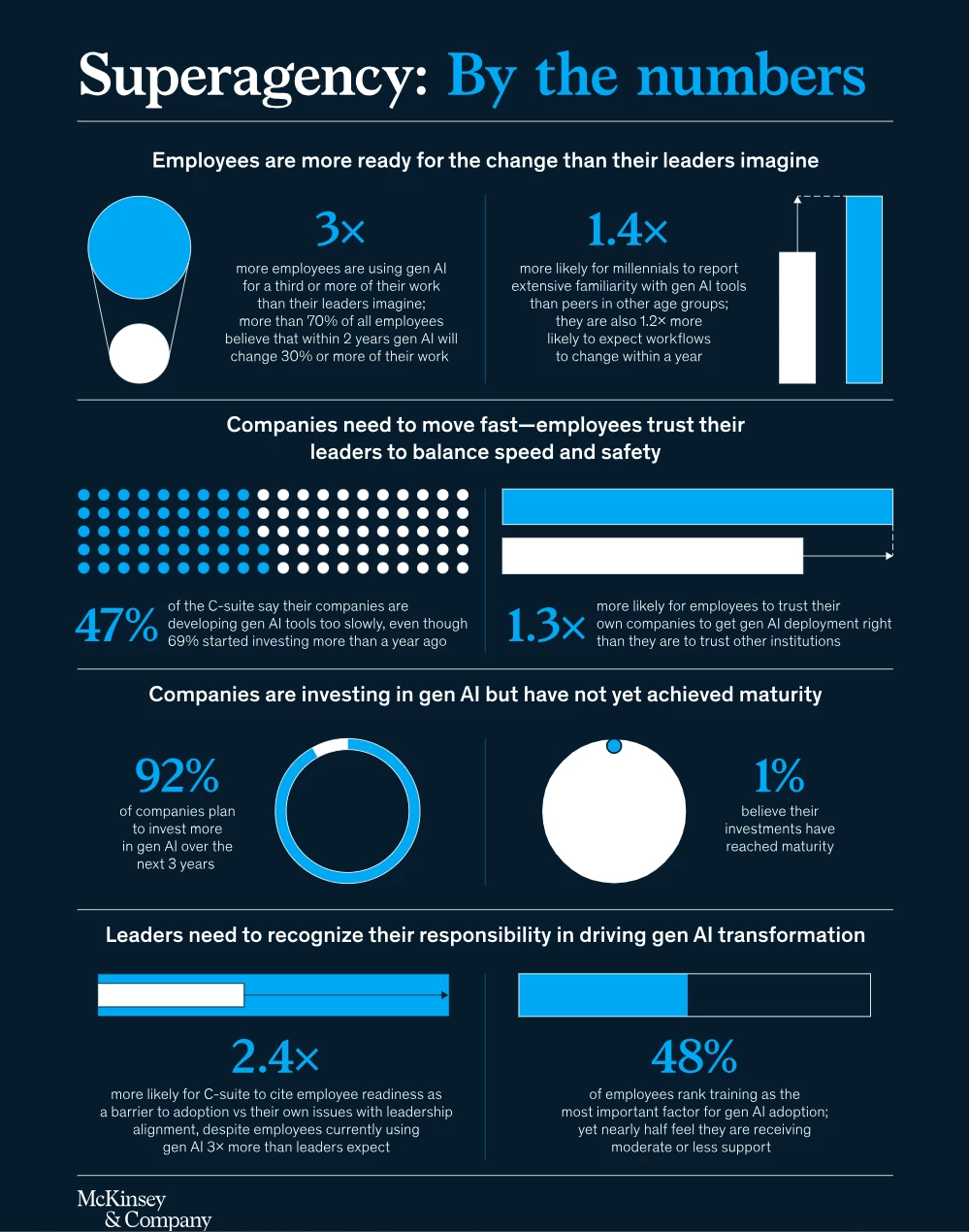
Despite these challenges, 92% of companies plan to increase AI investments over the next three years, yet only 1% consider their AI initiatives fully mature. This disconnect between investment and execution underscores why many businesses struggle to see tangible returns.
AI failures also hit ad spend efficiency. Price floor errors from AI mismanagement skew bid prices, forcing advertisers to overpay while publishers lose revenue from undervalued inventory. Weak fraud detection further compounds these issues, allowing ad dollars to be wasted on bot traffic and low-quality impressions.
Forward-thinking marketing teams monitor AI performance closely, enforce data quality standards, and maintain strong oversight to catch these failures before they drain budgets. Finding the right balance between AI-driven efficiency and human expertise is key to success.
Data Quality Issues Affecting AI Performance
Data quality remains a critical factor in the success of AI-driven programmatic advertising. Business, brand, and agency owners must address several critical areas to ensure optimal AI performance:
Incomplete User Profiles
The deprecation of third-party cookies has intensified challenges in constructing comprehensive user profiles. Data Management Platforms (DMPs) often grapple with fragmented information from various touchpoints, leading to:
- Mixed-up audience groups
- Gaps in behavior tracking
- Missing demographic details
- Weak targeting signals
To mitigate these issues, it's essential to strengthen first-party data collection strategies and explore privacy-safe alternatives like contextual targeting.
Inaccurate Attribution Models
Evolving privacy regulations and the decline of third-party cookies have disrupted traditional attribution methods. Current systems may misinterpret conversion paths, leading AI to make suboptimal optimization decisions. Since real-time bidding relies heavily on accurate attribution data, developing new measurement approaches that respect user privacy is crucial.
Biased Training Data
The quality of training data directly impacts AI performance in advertising campaigns. Biases in historical data — stemming from factors like seasonal trends, geographic variations, or audience composition — can skew AI-driven targeting and budgeting decisions.
A 2024 McKinsey report highlights that 44% of organizations have experienced negative consequences from generative AI, with inaccuracy being the most reported issue. This underscores the importance of addressing data quality and bias.
A November 2023 survey revealed that approximately 59% of U.S. advertisers believe ad tech platforms should have the capability to mitigate biases in AI targeting, reflecting growing industry awareness of the need for bias-free AI systems.
By proactively addressing these data quality challenges through robust data governance frameworks and regular dataset audits, businesses can enhance the effectiveness of their AI-driven programmatic advertising efforts.
Building Better AI Integration Practices
Effective AI integration in programmatic advertising requires a harmonious blend of advanced technology and human oversight to ensure automated processes align with strategic objectives.
Human-AI Collaboration Framework
While AI excels at processing vast datasets and executing rapid bidding decisions, human expertise remains indispensable for strategic direction. A robust collaboration framework involves:
- Defining clear AI system boundaries: Delineate the roles and limitations of AI within your advertising operations.
- Implementing rapid response protocols: Develop plans to swiftly address anomalies detected by AI systems.
- Conducting regular strategy reviews: Schedule periodic evaluations of bid strategies and campaign performance.
- Validating AI recommendations: Have experts assess AI-driven suggestions before implementation.
- Providing continuous feedback: Establish a loop where human analysis informs AI system adjustments.
Quality Control Checkpoints
Integrating AI into advertising requires specialized quality assurance measures:
- Bid quality assessment: Regularly evaluate the quality and competitiveness of AI-generated bids.
- Targeting precision monitoring: Continuously verify targeting parameters remain accurate and relevant.
- Fraud detection vigilance: Employ advanced systems to identify and mitigate fraudulent activities promptly.
For example, unsupervised AI may set suboptimal floor prices, adversely affecting publisher revenues. Regular human oversight ensures pricing strategies align with market conditions and business goals.
Performance Monitoring Systems
Real-time performance tracking is crucial for successful AI integration:
- Comprehensive metric tracking: Implement systems providing real-time data on various performance indicators.
- AI-powered fraud detection: Deploy tools capable of analyzing traffic patterns to prevent fraudulent activities.
- Header bidding oversight: Monitor response times and bid effectiveness in header bidding processes.
- Dynamic pricing evaluation: Regularly assess bid patterns to verify AI-driven pricing strategies maximize revenue.
Establishing clear performance objectives and conducting regular evaluations of bidding, targeting, and conversion tracking systems are essential for guiding AI system enhancements and improving campaign outcomes.
The Role of AI in Programmatic Advertising Final Thoughts
AI challenges in programmatic advertising require quick action and smart solutions. Poor data quality, lack of oversight, and technical failures drain ad budgets and reduce targeting accuracy.
To prevent costly mistakes and boost ROI, marketing teams should implement these five key strategies:
- Implement robust data cleaning and validation systems
- Establish regular algorithm review and update protocols
- Deploy comprehensive performance monitoring frameworks
- Foster intentional human-AI collaboration workflows
- Conduct frequent quality assurance checks
For most organizations, partnering with expert AI companies ensures proper setup and continuous improvements. The combination of solid data management, expert oversight, and ongoing optimization creates reliable systems that maximize ad performance and protect marketing investments. And don’t forget the value of embracing a little creative risk too, which has been key in driving engagement for Sarah Houghton, Senior Manager of Marketing and Communications for Sony Electronics’ Personal Entertainment division.
By addressing these challenges head-on, advertisers can unlock the true potential of AI in programmatic advertising while avoiding the pitfalls that lead to wasted budgets and missed opportunities.

Our team ranks agencies worldwide to help you find a qualified partner. Visit our Agency Directory for the top AI companies, as well as:
- Top AI App Development Companies
- Top AI Product Development Companies
- Top AI Web Design Companies
- Top AI Marketing Companies
- Top AI Companies in San Francisco
Our experts also recognize the most innovative projects across the globe so make sure to visit our Awards section.
The Role of AI in Programmatic Advertising FAQs
1. How does AI impact programmatic advertising?
AI in programmatic advertising automates ad buying, improves targeting accuracy, and enables real-time optimization of campaigns. It analyzes vast amounts of data to make quick bidding decisions and target specific audience segments, potentially increasing the efficiency and effectiveness of advertising efforts.
2. What are the main challenges of implementing AI in programmatic advertising?
The primary challenges include poor data quality management, overreliance on automated decision-making, and lack of human oversight. These issues can lead to inaccurate targeting, wasted ad spending, and suboptimal campaign performance.
3. How can advertisers improve the performance of AI-driven programmatic campaigns?
Advertisers can enhance AI performance by implementing robust data cleaning protocols, regularly retraining algorithms, establishing comprehensive monitoring systems, fostering strategic human-AI collaboration, and implementing systematic quality control checkpoints.