Mobile app development for healthcare means creating digital tools that enhance healthcare delivery through mobile technology. These applications play a major part in helping healthcare facilities improve efficiency and patient outcomes by streamlining communication and care coordination.
Let’s explore the main types of healthcare applications and the development process and highlight the core benefits these apps offer patients and doctors.
Benefits of Healthcare Mobile Apps for Patients and Doctors
![[Benefits of healthcare mobile app development]](https://media.designrush.com/tinymce_images/790487/conversions/Benefits-of-Healthcare-Mobile-App-Development-for-Patients-and-Doctors-content.jpg)
Healthcare software and medical mobile apps can have a myriad of benefits both for providers and patients. Let’s explore the most prominent advantages of professional healthcare apps.
Benefits of Healthcare Mobile Apps for Patients
- Enhance quality care: With different available software automation, patients can receive personalized plans and tailored therapies in a more streamlined way, without the need for in-person visits to the practice.
- Allows better control over health records: Patients can easily transfer and share their medical data with other institutions. All records are in the same digital place, and there’s no need to store them physically.
- Provides on-demand care: Thanks to healthcare apps, some medical services have become as easy as ordering food or booking hotel stays. As such, providers can also deliver services faster, be it remote consultations or medicine delivery.
- Enable more secure payments: Development teams can easily integrate credit card-based in-app payments into apps, guaranteeing a significantly enhanced user experience.
- Increase engagement: Cleverly designed e-health solutions also enable patients to have more control over their care and therapy. For instance, they can easily check medical instructions on their phone or schedule appointments while viewing all the free available slots.
Healthcare Mobile Apps for Doctors
Medical experts, stakeholders, and investors also need to be aware of the value they can gain from healthcare app development.
- Improve decision-making and diagnostics: The available data from the app can help practitioners make faster decisions and prescribe more tailored therapies.
- Lessen stress and improve communications: Applications can take over the mundane tasks medical experts need to do. These can also help doctors consult each other more efficiently, regardless of their location, practice area, and clinic.
- Ease equipment and hospital management: Cutting-edge technologies like IoT enable clinics to track their equipment continuously and update their function in real time.
- Reduce healthcare provision costs: Less paperwork, timely maintenance of on-premises and remote equipment, improved communications, more precise diagnostics, and better tailored therapies may all lead to reduced costs of healthcare services.
3 Main Types of Healthcare Applications
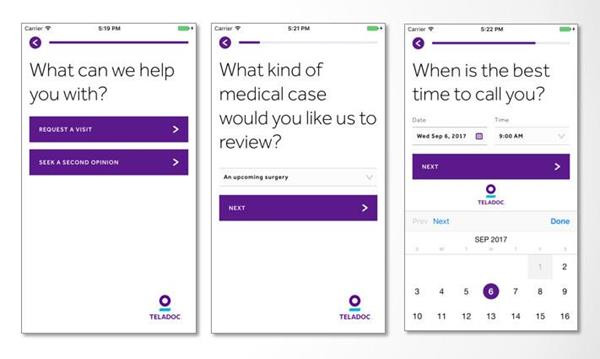
Healthcare applications usually cater to the needs of three primary audiences: doctors, patients, and medical administrators. Understanding your target audience is essential, as it will determine the list of features it will have.
Here are the three main types of healthcare apps depending on their intended user:
1. Patient Applications
This software type caters to the needs of patients and requires features like appointment scheduling, habit tracking, automated reminders, self-diagnosing tools, wellness and fitness monitoring, telehealth services, social support networking, mental health tracking and resources, IoT integration, and more.
2. Provider Applications
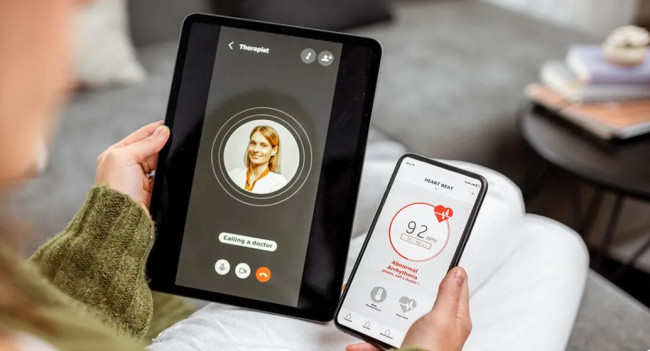
Provider apps are tailored to the needs of medical professionals, helping them speed up and streamline their care services and diagnostics. Such mobile applications may include features like telemedicine consultations, diagnostics support, remote patient monitoring, medicine reference guides, electronic health record access, clinical internal communications, and appointment management.
3. Medical Administration Staff Applications
These apps help streamline the administrative aspect of healthcare, with features like advanced and optimized billing options, nurse and doctor marketplaces, electronic medical records, practice management options, and more.
Healthcare Mobile App Development in 5 Steps
App development can be a lengthy and often expensive endeavor. However, if you follow these steps, you can optimize the process and avoid wasting time and resources:
- Define goals and compliance requirements
- Plan and design
- Develop and integrate
- Test and validate
- Launch and maintain
1. Define Goals and Compliance Requirements
Start by clearly defining what your healthcare app will do and who it will serve. Think about the core problems you’re solving and ensure your features align with user needs. Research compliance requirements like HIPAA or GDPR early so you don’t run into legal roadblocks later.
How to set strong goals while ensuring compliance:
- Outline the key functionalities that will provide real value to users.
- Research regulations in your niche to avoid compliance issues.
- Consult with legal and security experts before finalizing your app’s framework.
2. Plan and Design
Before writing a single line of code, create a structured plan that prioritizes usability. Build wireframes and prototypes to map out the user experience and identify design flaws before development. Keep the interface clean and accessible, ensuring it works well for patients, healthcare professionals, and administrators.
Common mistakes that hurt the design process:
- Adding too many features overwhelms users and slows down performance.
- Overlooking accessibility guidelines can exclude people who need your app.
- Skipping early user testing leads to usability issues that could have been fixed sooner.
3. Develop and Integrate
Choose a technology stack that supports scalability and security from the start. Use secure coding practices and integrate APIs that allow seamless data sharing with existing healthcare systems. Build security measures into every layer of development to protect sensitive patient data.
Best ways to ensure secure and efficient development:
- Encrypt all stored and transmitted data to prevent breaches.
- Assign role-based access controls to limit who can see sensitive information.
- Regularly update APIs and third-party integrations to maintain security and compatibility.
4. Test and Validate
Don’t rush into launch without thoroughly testing how your app performs in real-world scenarios. Run functionality, security, and usability tests to catch problems before users do. Carry out penetration testing to spot vulnerabilities that could put patient data at risk.
Key areas to focus on during testing:
- Testing on different platforms to ensure consistency.
- Automate repetitive tests to speed up the process and improve accuracy.
- Fix security gaps before submitting your app for regulatory approval.
5. Launch and Maintain
Releasing your app is just the beginning — ongoing updates and monitoring are essential. Pay attention to user feedback and track performance metrics to catch bugs, improve features, and enhance security. Keep up with evolving regulations to ensure long-term compliance and maintain user trust.
How to keep your app running smoothly post-launch:
- Continuously gather user feedback to refine and optimize the experience.
- Monitor for crashes, slow load times, and security vulnerabilities.
- Stay ahead of regulatory changes and update your app accordingly.
Healthcare App Development Cost Considerations
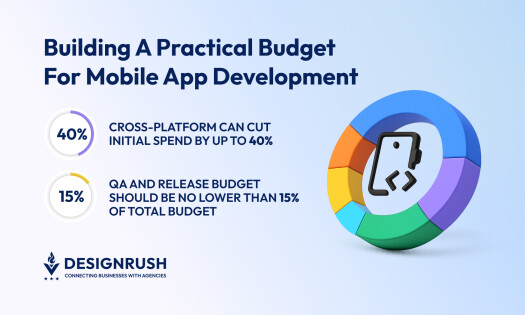
Healthcare mobile app development costs typically range from $50,000 to $250,000, depending on complexity, features, and platform. However, these expenses can vary significantly based on factors like integrations and ongoing maintenance.
Understanding the following key considerations can help you allocate resources effectively and avoid unexpected financial challenges:
- App complexity and features: The more advanced your app, the higher the development cost. A basic symptom tracker costs far less than a telemedicine platform with real-time video calls.
- Regulatory compliance: Meeting healthcare standards like HIPAA or GDPR requires additional security measures, legal reviews, and audits, all of which add to development expenses.
- UI/UX design: A well-structured, intuitive interface enhances usability but requires investment in wireframing, prototyping, and accessibility features.
- Technology stack: Choosing between native development for iOS and Android or a cross-platform framework like Flutter impacts both cost and development time.
- Third-party integrations: Connecting your app with EHR systems, payment gateways, or wearable devices increases costs due to API licensing fees and customization efforts.
- Testing and maintenance: Regular updates, security patches, and compliance audits ensure long-term functionality but require ongoing financial commitment.
Best Practices in Healthcare Mobile Application Development
To create a high-performing and reliable application, focus on best practices that strengthen security, enhance accessibility, and improve system compatibility.
- Implement strong security and compliance measures
- Design for usability and accessibility
- Optimize for system integration and data flow
1. Implement Strong Security and Compliance Measures
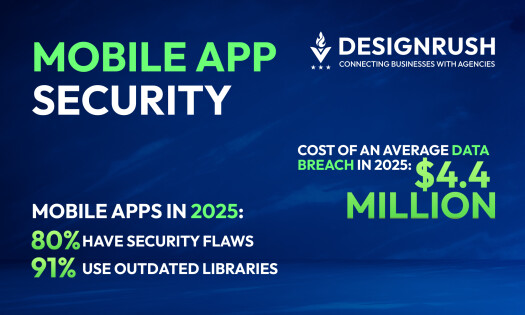
Protecting patient data should be a foundational priority in healthcare app development. Encrypting sensitive information, enforcing multi-factor authentication, and following HIPAA or GDPR guidelines reduce the risk of data breaches. Regular security audits help identify weaknesses before they become critical issues.
2. Design for Usability and Accessibility
A well-structured interface improves engagement and ensures users can navigate the app with minimal effort. Prioritizing clear layouts, logical workflows, and fast load times makes the experience intuitive for both patients and providers. Accessibility features, such as voice commands and screen reader compatibility, help expand usability to a broader audience.
3. Optimize for System Integration and Data Flow
A healthcare app should function seamlessly within the existing digital health ecosystem. Ensuring compatibility with electronic health records (EHRs), patient management systems, and third-party APIs allows for smooth data exchange. Standardized interoperability protocols improve efficiency, reducing administrative burdens for healthcare professionals.
5 Emerging Trends in Healthcare Mobile Apps
![[Emerging trends in healthcare mobile apps]](https://media.designrush.com/tinymce_images/790495/conversions/Emerging-Trends-in-Healthcare-Mobile-Apps-content.jpg)
The latest technologies are also present in modern medical application development. By incorporating these innovative features into your app, you can greatly improve user experience and adoption rates among both doctors and patients.
Here are some examples to consider:
- Artificial intelligence (AI)
- Internet of Things (IoT)
- Big data
- Blockchain
- Virtual reality (VR) and augmented reality (AR)
1. Artificial Intelligence (AI)
Artificial intelligence has been gaining a substantial amount of ground lately and has become pivotal in several medical fields. Healthcare software equipped with machine learning algorithms can help identify health trends, provide precise diagnostics, and analyze copious amounts of data. For example, intelligent chatbots can engage with patients to learn more about their condition and guide them to the most suited specialist.
Some notable examples include:
- Haut.ai offers AI-powered skin recommendations by analyzing selfies and essential skin beauty and health metrics.
- IBM Watson uses cognitive computing to analyze patient records and oncology literature to help medical experts create personal treatment strategies.
2. Internet of Things (IoT)
IoT technologies have been mainstay features in the medical industry in recent years. Today, their applications go beyond simply tracking user vitals. IoT can also be invaluable for remote patient monitoring, inventory management, pharmacy management, and even surgical assistance.
An exciting example would be Boston Scientific’s Vercise Deep Brain Stimulator System, which is engineered for neural targeting to help Parkinson’s disease treatment, along with dystonia, and essential tremor.
3. Big Data
Big data is essential for designing scalable apps. Both IoT and AI generate copious amounts of data, so there needs to be a technology that can process all this information. As such, creating datasets that are capable of handling massive calculations in real time is necessary if you want to reap the benefits of IoT and AI features.
4. Blockchain
Blockchain’s massive advantage is that it can easily solve interoperability issues. For instance, MedBlock allows clinics to share all patient information safely or with permissioned ledgers, ensuring that sensitive information won’t be tampered with.
Blockchain can also help integrate electronic health record systems and supply chain tracking and could open opportunities to create decentralized portals for patients where they can control access to their data.
5. Virtual Reality (VR) and Augmented Reality (AR)
While often associated with gaming and social media, virtual reality and augmented reality have several practical uses in medicine. For instance, AR can help medical professionals train for surgeries in a safe environment, while VR can be used to aid indoor navigation within clinics.
A good example of VR in healthcare would be BTS Bioengineering’s Nirvana, which is an interactive and sensory room for cognitive and motor rehabilitation.
3 Stellar Healthcare App Examples
We’ve gathered a few examples of excellent healthcare apps that have succeeded in making doctors’ and patients’ lives easier. These include:
1. HosTalky
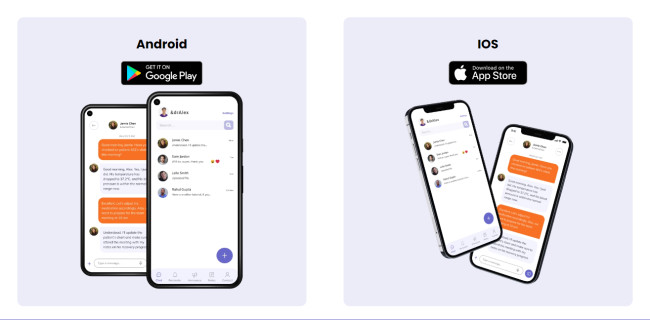
HosTalky is a comprehensive resource and communications platform for healthcare experts. HosTalky isn’t just another chat app — it has an entire ecosystem created around it to help healthcare experts take on the daily hurdles of their profession.
Through the app, they can express their ideas, communicate with each other via chat, and coordinate meetings. The app also enables users to send and receive reminders and create personalized notes to prioritize daily tasks and stay organized.
2. MySugr
MySugr is a patient-oriented app that helps them navigate the challenges of diabetes more easily. The application allows for easy tracking of the patient’s blood sugar, bolus, and carbs — it even tracks estimated HbA1c. Such comprehensive tracking allows doctors to review the data more accurately and provide more effective treatment.
To make things a bit more fun, the app also has several motivational challenges and provides continuous feedback to help people with Type 1 and 2 diabetes progress better.
3. BetterHelp

BetterHelp offers an affordable and convenient approach to improving your mental health and getting assistance from a professional, enabling users to connect with licensed mental health counselors and therapists via messaging and video chat.
The app offers a pool of over 3,000 accredited experts specializing in various mental health issues.
Partnering With a Mobile App Development Company
Partnering with a mobile app development company to create a healthcare app requires careful planning and collaboration. It’s essential to choose a company that understands the unique needs of the healthcare sector.
Follow these steps to ensure a smooth partnership and a successful app development process:
- Define your app’s goals: Start by outlining the app’s purpose and core features. Clearly communicate these goals to the development team, ensuring everyone is on the same page from the beginning.
- Select the right development partner: Research companies with experience in healthcare app development. Look for those with a solid portfolio of healthcare projects and an expert understanding of regulations like HIPAA. Choosing the right partner ensures the app meets industry standards.
- Collaborate on app design and features: Work closely with the development company during the design phase. Share your ideas and get feedback to ensure the app is user-friendly, functional, and compliant with healthcare requirements.
- Test and review before launch: Thoroughly test the app with the help of the development company. Ensure it functions well across devices and addresses all user needs. Addressing bugs early prevents issues post-launch and ensures a smoother user experience.
Final Thoughts on Healthcare Mobile App Development
Developing a healthcare mobile app is a long and complex process that involves a myriad of components and strategies to consider. The tips and strategies listed in this article should equip you with everything you need to create an app that blends cutting-edge technology and seamless user experience, but most importantly — benefits both patients and healthcare professionals.

Our team ranks agencies worldwide to help you find a qualified partner. Visit our Agency Directory for the top app development companies, as well as:
- Top Healthcare App Development Companies
- Top Enterprise Mobile App Development Companies
- Top Android App Development Companies
- Top AI App Development Companies
- Top App Developers In San Francisco
Our team also highlights award-winning work on the Design Awards page, so be sure to check it out for the best and latest in app design.
Healthcare Mobile App Development FAQs
1. How can you create an outstanding healthcare application?
Prototyping your project before jumping into the actual development cycle can ensure that all vital features of your app will work without flaws and compromises. The prototypes can also be tested by your target audience, ensuring that you only use the most popular features and are not spending additional resources on last-minute overhauls.
2. How can a health app remain competitive?
To keep your health app competitive, actively gather user feedback and valuable usage data. Ensure that you release regular updates with each OS update and stay informed about industry trends.
3. How long will it take to build a healthcare app?
The time required to fully develop a working app varies from project to project. Simpler applications with fewer features may take around six months, while more complex variants can go over a year.ital ecosystem.