
The most successful brands continually experiment, optimize every touchpoint, and leverage data to turn insights into repeatable growth through proven marketing growth strategies.
We break down 10 proven growth marketing strategies, illustrated with real-world examples and practical tips.
Growth Marketing Strategies: Key Findings
- Deploy interactive formats like video, podcasts, and gamification, which boost engagement 100–150% over static content.
- Launch double-sided referral programs, which can triple lead conversion rates and increase LTV by 25%.
- Run continuous A/B tests and feedback loops. Booking.com credits over 1,000 experiments per quarter for $24B+ annual revenue.
What Is Growth Marketing?
Digital growth marketing is a data-driven approach that uses online channels, customer insights, and continuous experimentation to generate measurable growth across the entire customer journey.
It combines marketing, product, sales, and analytics to experiment and optimize every step: how people find you, get value, return, spend, and refer others.
Unlike traditional marketing, which often emphasizes top-of-funnel traffic, growth marketing looks at the full funnel using AARRR (Acquisition, Activation, Retention, Revenue, Referral) to guide decisions and track results.
In practice, growth marketers run experiments such as:
- A/B tests on landing pages, emails, and onboarding flows;
- Optimize conversion rates
- Refine funnels to reduce drop-offs
- Test different channels like paid ads, SEO, social, or partnerships
- Set up tracking systems and work closely with product teams to improve activation and retention.
A simple example: if only 1% of visitors sign up, a growth marketer might identify friction in the signup process and test a shorter form with a clearer value proposition, all without spending more on traffic.
Essentially, growth marketing turns data and experimentation into repeatable strategies that drive sustainable growth.
Growth Marketing vs. Growth Hacking: What's the Difference?
Often used interchangeably, these are actually distinct disciplines.
- Growth hacking (coined by Sean Ellis in 2010, first used at Dropbox) focuses on rapid, scrappy acquisition experiments with a short time horizon.
- Growth marketing is broader, combining brand building, behavioral analysis and full-funnel optimization to drive sustainable growth.



Top 10 Growth Marketing Strategies (and Real-World Examples)
Here are 10 growth marketing strategies that work for 2026:
| Strategy | Best For | Key Metric | Example |
| Hyper-Personalization at Scale | Increasing engagement and customer value | Can increase revenue by 10%-15% and reduce CAC by up to 50% | Netflix |
| Full-Funnel Content Marketing | Supporting buyers at each funnel stage | 62% of webinar attendees indicate purchase interest after the event | HubSpot |
| Interactive Formats: Video, Podcasts, and Gamification | Increasing content engagement | Gamification can lift engagement by 100%-150% | Salesforce Trailhead and Amazon |
| Search Intent Optimization and Adaptive SEO | Attracting organic traffic that converts | Zapier increased organic conversions by 19% in six months | Zapier |
| Referral and Affiliate Ecosystems | Acquiring trusted, lower-cost leads | Referral leads can close 3x faster and have 25% higher LTV | Dropbox |
| Community Building | Improving loyalty and product adoption | 80% of questions in Atlassian’s community are answered by peers | Atlassian |
| Affinity and Cause Marketing | Building loyalty through shared values | Patagonia’s revenue grew about 30% after its “Don’t Buy This Jacket” campaign | Patagonia |
| Lifecycle Re-Engagement Campaigns | Reactivating inactive customers | HEMA reactivated 24% of lapsed customers and increased online revenue by 17% | HEMA |
| Social Selling | Building trust with B2B prospects | Social sellers are 51% more likely to reach their sales quotas | Microsoft |
| Continuous Customer Feedback Loops and A/B Testing | Improving performance through continuous testing | Booking.com runs over 1,000 concurrent experiments | Booking.com |
1. Hyper-Personalization at Scale
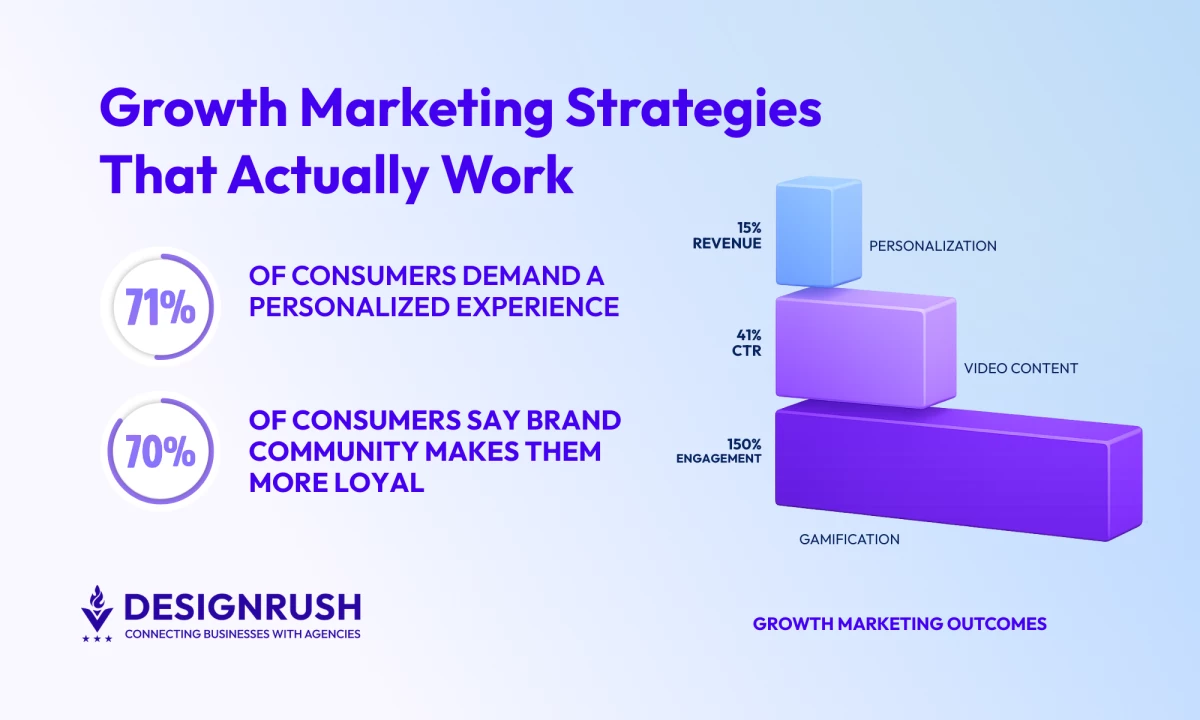
Today’s consumers expect a personalized one-to-one experience: 71% of consumers say they now demand personalized interactions, and 76% get frustrated when brands miss the mark
Companies that master it see a 10% to 15% more revenue and cut customer acquisition costs by up to 50%.
But achieving this means going beyond simply inserting a name into an email. Focus on using real behavioral signals and context: segment by lifecycle stage, primary use case, last key action date, and broad value tier.
Example – Netflix: A Masterclass in Hyper-Personalization Driving Engagement
For example, Netflix is a master of personalization: over 80% of content watched on Netflix comes through its recommendation algorithms.
Netflix tracks every click, scroll, and view in real time, using machine learning to serve up custom thumbnails and personalized viewing rows, and content recommendations in real-time based on user behavior.
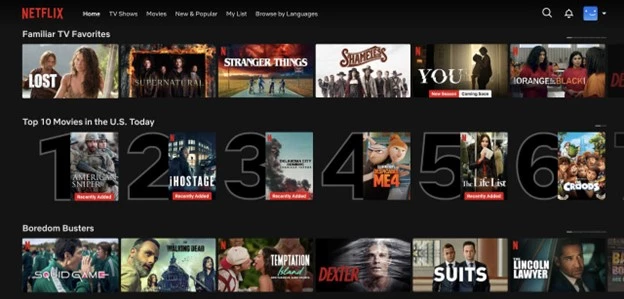
This personalization increases user engagement by up to 80% compared to non-personalized experiences.
Key takeaways?
- Identify key triggers for each customer segment (e.g., new signup, trial expiry, stalled use) and send targeted messages tied to those actions.
- Invest in AI-powered recommendation engines or personalization tools that update content in real time.
2. Full-Funnel Content Marketing
Today’s high-ROI brands map content to every funnel stage. Modern buyers zig-zag across channels, but their questions evolve predictably:
- Awareness (“What is this problem?”): Educational blogs, infographics
- Consideration (“What’s the best way to solve it?”): Case studies, ROI calculators, comparison guides
- Decision (“Is this the safest choice for me?”): Detailed demos, pricing explainers
- Post-purchase (“Did I make the right choice?”): Onboarding tutorials, tips
Good content answers real buyer questions. For instance, 62% of webinar attendees indicate purchase interest after the event, proving the value of decision-stage content.
Brands that map content to these moments remove friction at each mental checkpoint, instead of forcing prospects to self-educate elsewhere, usually from competitors.
Example – HubSpot: From Content to Customers at Every Funnel Stage
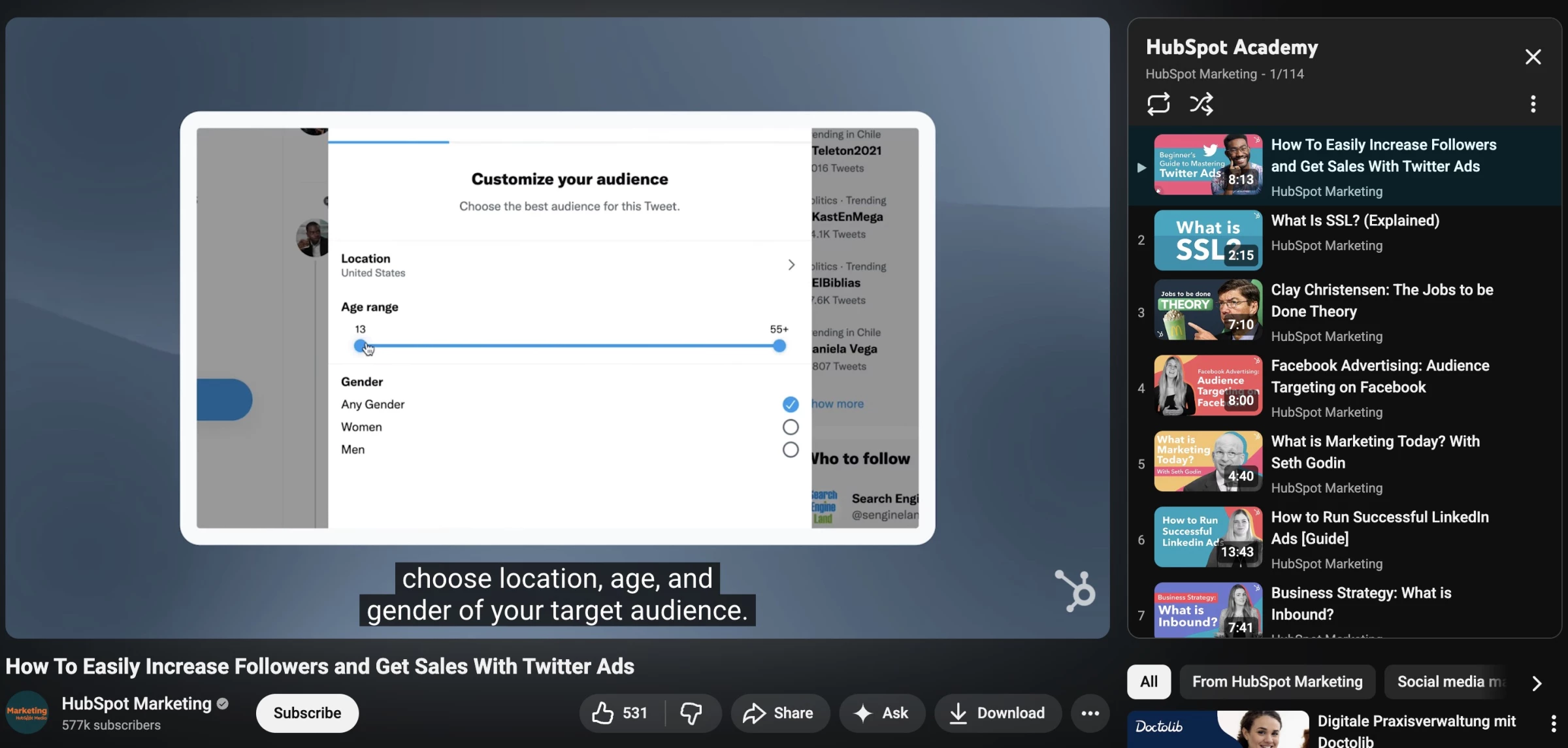
HubSpot’s iconic growth, for example, comes from its inbound content that powers every funnel stage. They attract awareness-stage traffic through thousands of in-depth blog posts and video guides.
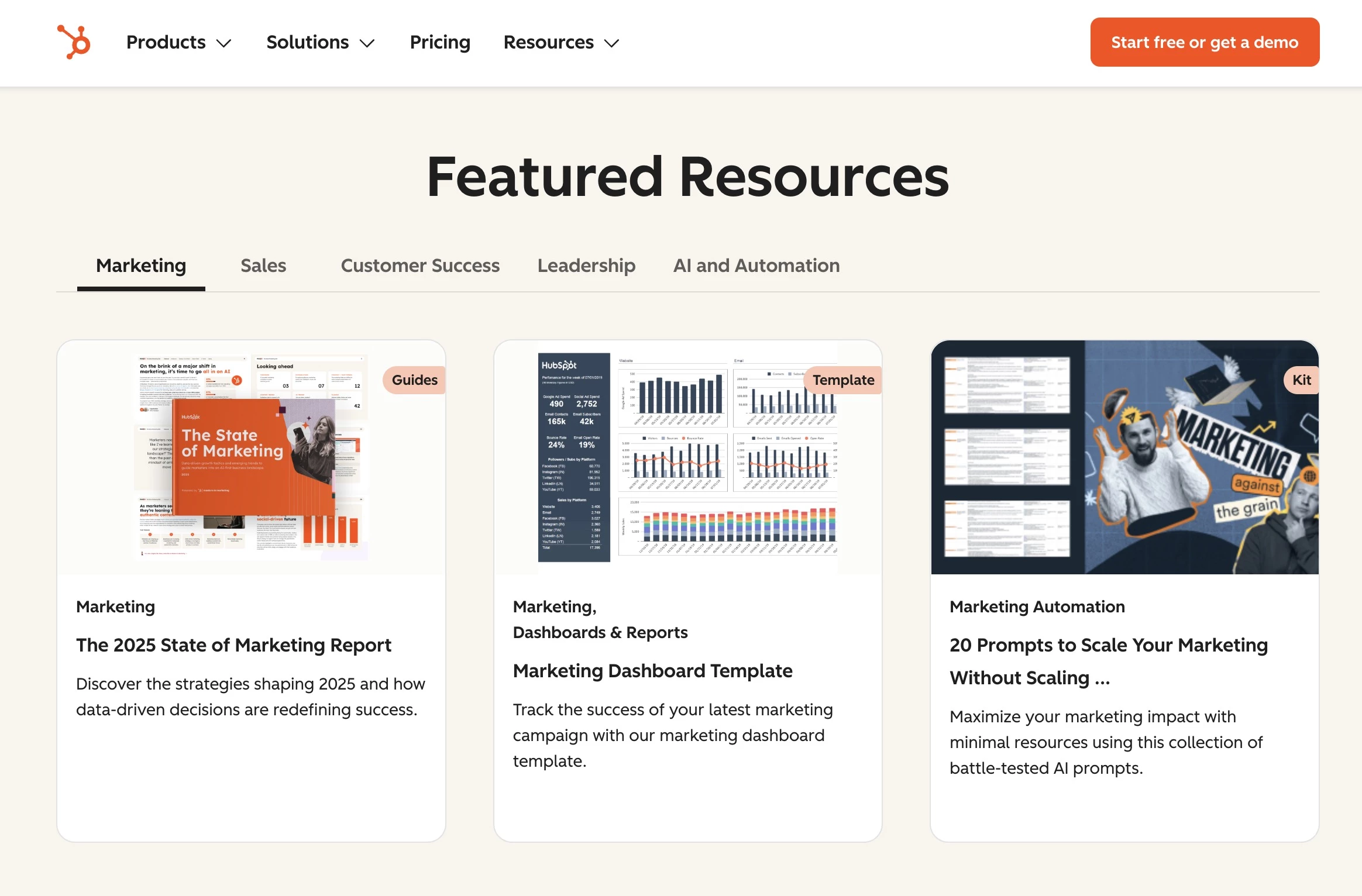
As leads engage, HubSpot offers deeper consideration content: free templates, “ultimate guides,” and comparison whitepapers, often gated to convert readers into leads.
By the decision stage, prospects can attend live webinars or take free certification courses via HubSpot Academy to build trust.
This full-funnel approach paid off massively: HubSpot’s content drove so much organic traffic and lead generation that it propelled the company past $1 billion in revenue, all with relatively low paid advertising.
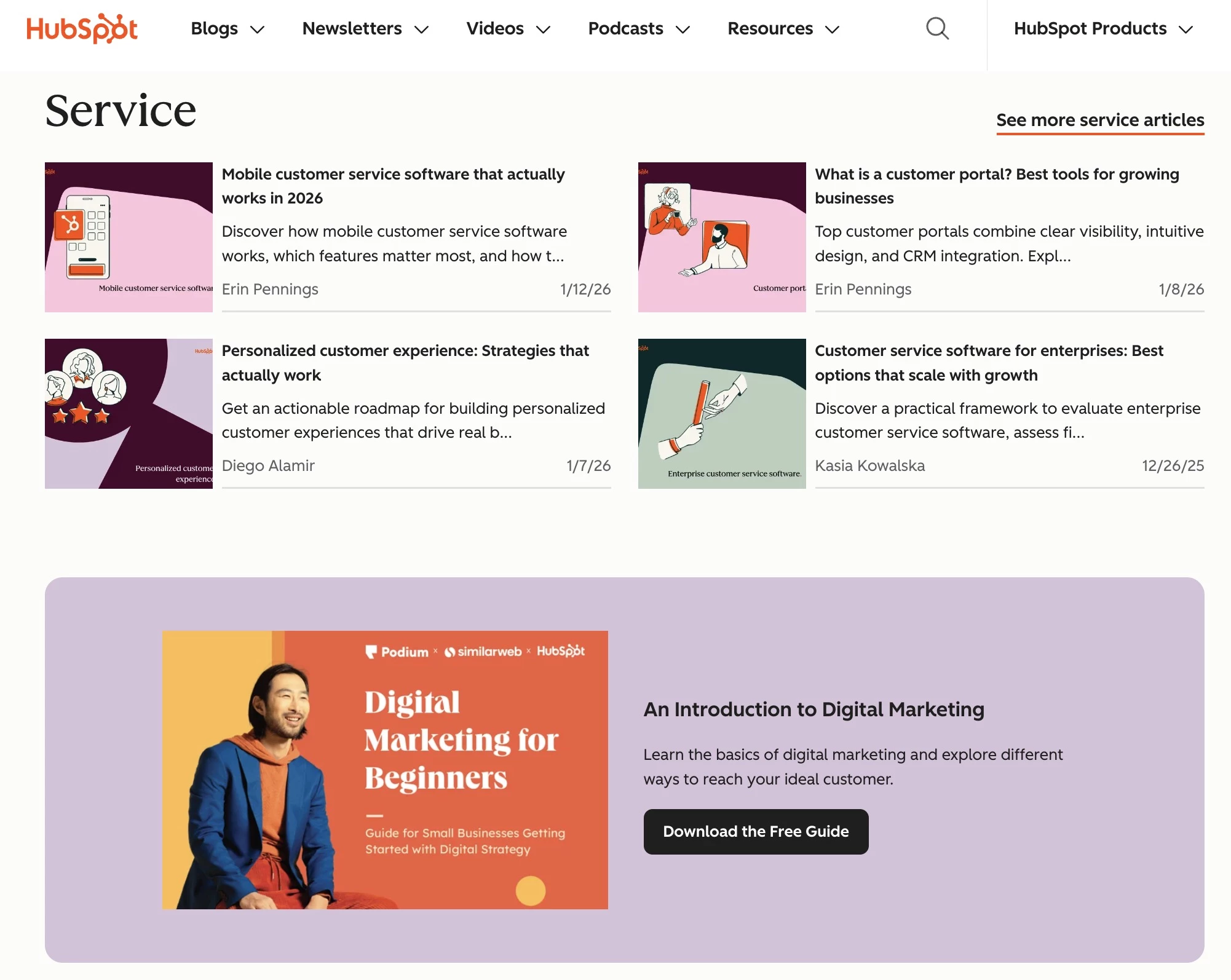
In essence, HubSpot became the go-to knowledge hub for its audience, positioning itself as the natural choice when they were ready for CRM or marketing software.
How to implement:
- Create a content matrix: For each product or persona, identify top-of-funnel questions, mid-funnel needs, and bottom-funnel gating needs. Develop assets for each column.
- Regularly update high-impact pieces rather than churning new ones. If a large portion of content shows no measurable pipeline influence in 60 days, revise it. It often means poor targeting or a lack of CTA.
3. Interactive Formats: Video, Podcasts, and Gamification
Static, top-of-funnel content is no longer enough. 73% of B2B buyers say interactive content influences purchasing decisions more than static formats.
Moreover, video-led campaigns show a 41% higher click-through rate than traditional content-led campaigns.
In a market where attention is a scarce resource, storytelling, video, and interactivity outperform outdated content calendars:
- Short-form video and podcasts are now mainstream for both B2C and B2B.
- TikTok and Reels drive virality and emotional storytelling
- Short thought-leadership snippets win on LinkedIn and X
- Gamification, like quizzes, calculators, and AR/VR try-ons lift engagement by 100-150%.
Example – Salesforce Trailhead Gamification + Amazon’s “Trailblazer Challenge”
Salesforce built Trailhead as a product-led learning tool with interactive elements designed to make learning “more fun” by awarding points + badges and letting learners climb Trailblazer Ranks.
Then, Amazon (specifically AWS CRM Ops) used Trailhead as the foundation for their time-boxed, gamified internal upskilling campaign “Trailblazer Challenge”.
Amazon’s reported results from the challenge:
- 10,000+ Trailhead badges earned by 500+ Amazon employees
- 168% increase in employees earning Salesforce Certifications
- 94% of participants said their new expertise gave them greater confidence in Salesforce skills
- Since June 2023, learners earned 2.6M+ AI and data badges via Trailhead
Key takeaways?
- Build an interactive path: Short modules + hands-on tasks in a sandbox/demo environment
- Run a time-boxed “Quest”: Monthly or quarterly tasks with prizes that matter. This could be a cert voucher, swag, free seat upgrades, and exclusive access.
4. Search Intent Optimization and Adaptive SEO
SEO remains one of the most cost-efficient and sustainable growth channels. Unlike ads, organic search “keeps working” over time.
But SEO in 2026 is all about intent. Google’s AI now understands natural language and user context better than ever, so growth today requires directly matching what people are searching for, rather than relying on keywords.
That means mapping content to the specific intent behind queries (informational vs. commercial, generic vs. niche) and constantly adapting as search algorithms evolve.
For example, many SaaS sites saw that generic “tool X integration” search terms were bringing users who converted 3× better once the content was rewritten around specific use cases.
Example – Zapier’s Intent-Driven Blog Boosts Conversions by 19%
[Source: Zapier]
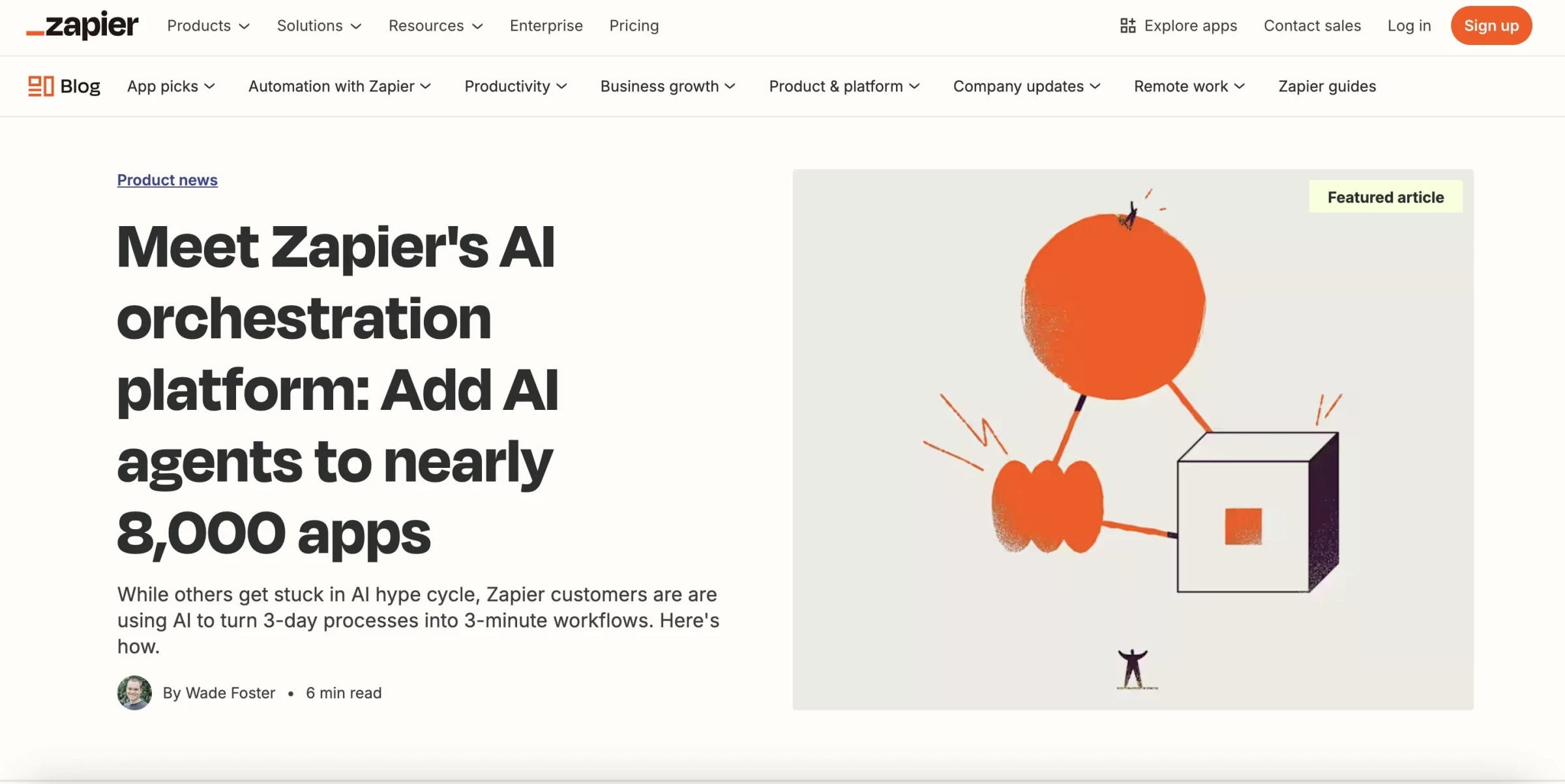
In 2024, Zapier strategically realigned its blog strategy, shifting from generic listicles to mid-funnel, use-case-driven content (e.g., "Best Zapier workflows for marketing teams").
The result?
- A 19% increase in organic conversions within six months
- Higher engagement rates on transactional pages
Key takeaways?
- Intent mapping: For each primary topic (e.g., “CRM for X industry”), define whether it’s awareness or decision intent, then tailor the content and CTA accordingly.
- CRO synergy: As search yields traffic, optimize the landing experience. Use heatmaps/A/B tests on top-ranking pages to improve conversion paths.
5. Referral and Affiliate Ecosystems
Your happiest customers are your best sales team but only if you activate them. Referral programs and affiliate partnerships tap into the trust of word-of-mouth at scale.
Gil Squire, CEO of Supremium Ads, agrees: “Referral programs deliver leads that close 3x faster and have 25% higher LTV.”
Example – Dropbox’s Referral Program Fueled Growth With Zero CAC
Dropbox’s now famous referral program ("Give 500MB, Get 500MB") fueled its meteoric growth, driving over 60% of new user signups during its hyper-growth phase, all while keeping CAC near zero.
Dropbox demonstrated that when referrals are easy, rewarding, and embedded into the product, they can outcompete even the most aggressive paid acquisition strategies.
How to implement:
- Double-sided rewards: Offer a benefit to both sides to motivate sharing.
- Guard quality: Monitor referred customers closely. If approval rates or early retention drop (suggesting low-quality signups), adjust incentives.
6. Community Building
Over 70% of consumers say being part of a brand community makes them more loyal. When customers talk with each other about your product, they invest in your brand.
A thriving customer community yields several benefits: peer-to-peer support (reducing support costs), increased product adoption (users share tips), and loads of authentic advocacy.
Community interactions feed social proof since satisfied users often share real use cases and tips, which prospective buyers trust.
88% of people worldwide trust recommendations from friends or acquaintances over traditional ads.
Example – Atlassian (B2B Software) Community
Atlassian, maker of Jira and Confluence, built an extensive online community where users ask questions, share plugins, and help solve each other’s problems.
It has 3.8 million members, thousands of groups and events, and millions of monthly page views.
The community serves as a hub where users get support (80% answered by peers), access training and articles, and connect through forums and local groups.
Key takeaways?
- Community compounds over time: Treat it as a long-term growth asset, not a short-term tactic.
- Platform fit matters: Choose a community home that matches where your audience already gathers.
- Built-in feedback loop: Use community insights to refine and co-create products.
7. Affinity and Cause Marketing
Consumers in 2026 want to spend money in line with their values. 88% say they are more likely to purchase from a company with a social purpose, and 82% want brand values to match their own.
Example – Patagonia’s Values-Driven Growth
Outdoor apparel brand Patagonia is practically the poster child for cause-driven marketing.
Environmental stewardship is Patagonia’s core mission, from donating 1% of sales to environmental causes to literally telling customers not to buy their jackets.
It was a bold, values-first move that could’ve backfired, but it galvanized Patagonia’s base. Inspired by the brand’s honesty and mission, customers bought more Patagonia.
In fact, Patagonia’s revenue grew about 30% the year following the “Don’t Buy This Jacket” campaign.
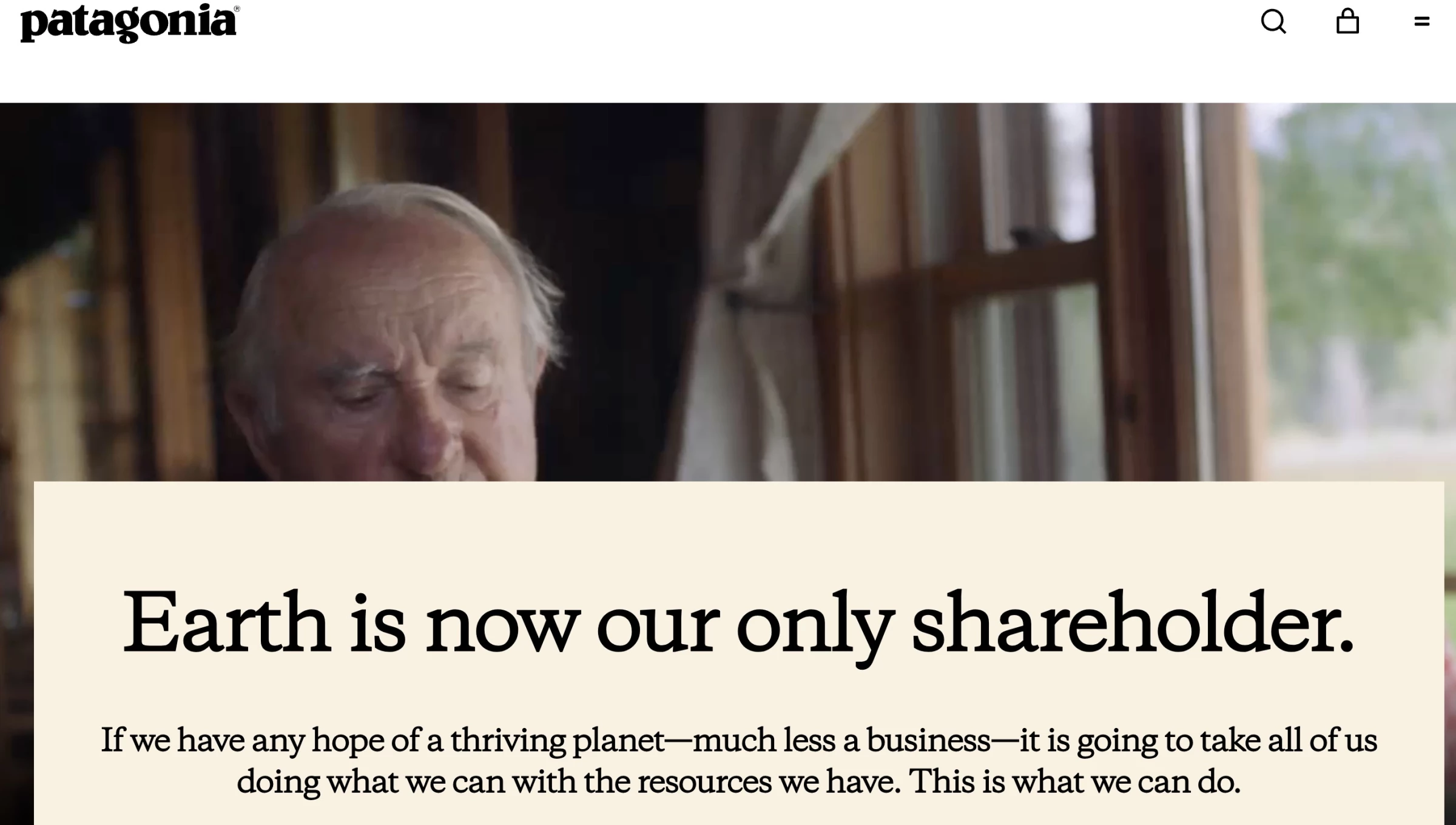
By 2017, Patagonia hit $1 billion in sales, all while doubling down on activism, from suing the U.S. government over national park protections to recently transferring ownership into a trust to fight climate change.
How to implement:
- Choose causes that fit your DNA: The cause must credibly align with your brand’s mission, operations, and core customers.
- Differentiation comes from conviction: Values-led marketing can cut through crowded markets by creating emotional relevance.
8. Lifecycle Re-Engagement Campaigns
Acquiring a lead or trial user is only the first step. Growth comes from activating and retaining those users at high value.
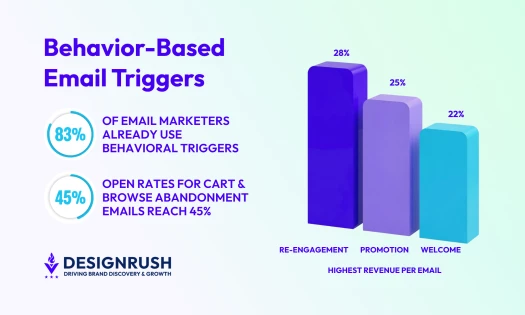
The highest ROI often lies in re-engaging users already in your ecosystem. For instance, behavioral email triggers can respond to actions such as an abandoned signup, stalled trial, or drop in product activity, reaching users while their intent is still fresh.
Consider that in many SaaS businesses, a majority of free trial sign-ups don’t convert to paid, but a well-timed email or personal outreach can change that.
These lifecycle nudges often cost little but can yield a big revenue lift.
Example – HEMA’s Customer Reactivation Success
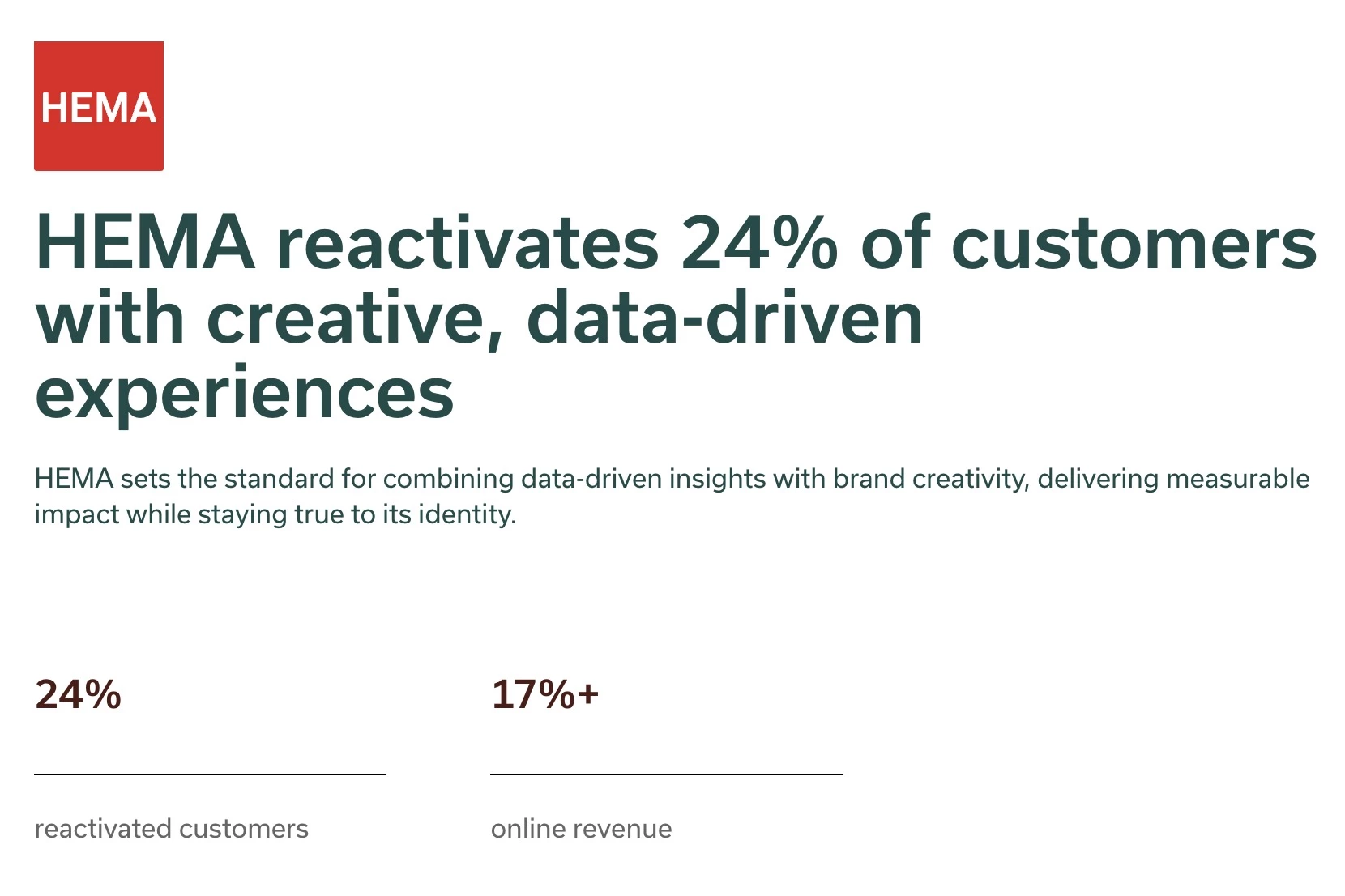
HEMA, a Dutch retail chain, undertook a data-driven re-engagement initiative to bring back inactive shoppers.
Using their loyalty data, they mapped out the customer journey and launched personalized lifecycle campaigns at every stage.
For example, using a combination of targeted emails and app notifications with playful content to remind customers of the brand.
The results:
- 24% of lapsed customers were reactivated across four re-engagement campaigns
- Customers who would have been considered “lost” came back and made purchases, contributing to a 17% increase in online revenue during the campaign period
Key takeaways?
- Retention starts with diagnosis: Identify precise drop-off points across onboarding, activation, and repeat usage.
- Human touch where it matters: One-to-one outreach is often the highest-ROI lever for at-risk, high-LTV customers.
9. Social Selling
Social selling is the practice of using social networks (LinkedIn, Twitter/X, Facebook, etc.) to connect with prospects, share insights, and build relationships before the direct sales pitch.
It focuses on relationship-building, credibility, and trust rather than direct pitching.
Done well, social selling turns cold outreach into warm conversations because prospects feel like they know you (or at least have seen you contributing useful ideas in their feed).
According to LinkedIn’s research, 78% of social sellers outsell peers who don’t use social media, and are 51% more likely to hit their sales quotas.
Example – Microsoft’s LinkedIn Social Selling
LinkedIn is the epicenter of B2B social selling.
Microsoft equipped its enterprise sales reps with LinkedIn Sales Navigator and training to engage buyers by sharing relevant articles and commenting on industry discussions.
The program saw huge success: Microsoft noted higher win rates and shorter sales cycles for reps who were active on LinkedIn versus those who weren’t, boosting their sales productivity by 38%.
How to implement:
- Share insights and celebrate wins: Post industry news, tips, and customer successes to build credibility and visibility.
- Engage higher in the org: Socially active reps connect with decision-makers earlier, often leading to larger, more strategic deals.
10. Continuous Customer Feedback Loops and A/B Testing
Build a culture of small, continuous experiments rather than big one-off campaigns.
Dan Sava, Founder of Neon Growth, puts it: “The difference between a 2% and 5% conversion rate is often a single word or layout decision — testing makes the invisible visible.”
Top performers run dozens of tests per quarter on email copy, landing pages, pricing tiers, and more, and they govern rigorously.
Example – Booking.com’s Experimentation Culture
At any given moment, Booking.com runs over 1,000 concurrent experiments on its website and app.
They test everything — button colors, page layouts, copy phrasing, new feature ideas — often rolling out small changes to a subset of users to see the impact.
Booking.com credits this experimentation-driven approach for reaching $24+ billion in annual revenue and dominating its category.
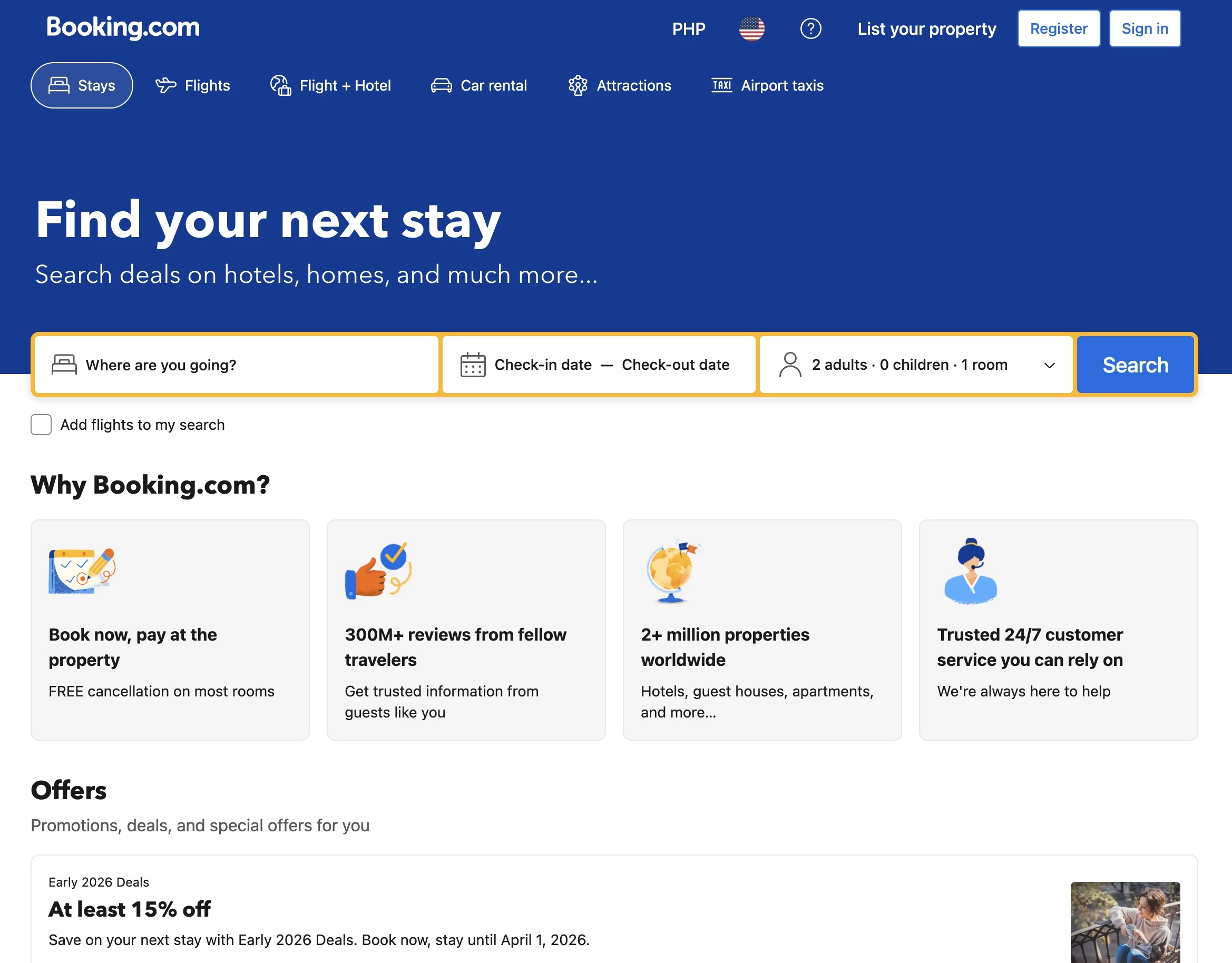
Their website today is essentially the cumulative result of 15+ years of continuous customer feedback and testing. One could even say it was “designed” by customers, not by designers.
Best Practices in Choosing the Right Growth Marketing Strategy
Here’s a proven, simple plan to help you make smart decisions and implement marketing growth strategies that deliver tangible, scalable ROI:
- Conduct a strategic assessment
- Define growth KPIs
- Match your actions to your main goals
- Track the metrics that measure growth
1. Conduct a Strategic Assessment
Before investing in channels, tactics, or technology, align your strategy with your business realities:
- Business maturity: Early-stage companies should prioritize acquisition and awareness; mature brands should focus on retention, upsell, and lifetime value (LTV) expansion.
- Audience complexity: High-touch B2B sales need nurturing and educational content, while a healthcare marketing strategy must account for trust, regulation, and longer decision cycles. Impulse-driven DTC products rely more on speed and frictionless buying journeys.
- Channel readiness: Audit whether your systems support modern tactics. Can your CRM deliver real-time personalization? Can you segment dynamically, or are you stuck with batch-and-blast models?
2. Define Growth KPIs
According to Gartner, organizations that tie marketing KPIs directly to financial outcomes are 1.9x more likely to achieve revenue targets.
Without measurable targets, even successful campaigns may misallocate resources, driving vanity metrics instead of bottom-line growth.
Align KPIs with lifecycle economics and business objectives:
- Lower customer acquisition cost (CAC) by 20% over 6 months
- Increase customer lifetime value (LTV) by 15% through loyalty and upsell programs
3. Match Your Actions To Your Main Goals
Once your goals are clear, choose marketing strategies for business growth that directly support the KPIs you need to improve. Avoid following hype cycles or “best practices” blindly. Ask:
- Does this tactic directly move the KPI I need to shift?
- Is my team or partner agency equipped to execute this at a high level?
- How will I track results and pivot quickly if needed?
4. Track the Metrics That Measure Growth
Not all metrics are growth metrics. Page views, follower counts, and impressions show reach, but they do not reveal whether the business is growing. The right marketing analytics tools help teams connect channel performance with acquisition, conversions, pipeline, and revenue.
Growth marketers then track indicators tied directly to revenue and retention:
- Customer Acquisition Cost (CAC): Total marketing and sales spend divided by new customers acquired in the same period. Know this number before scaling any channel.
- Customer Lifetime Value (LTV): The average revenue a customer generates over their relationship with you. A healthy growth operation maintains an LTV:CAC ratio of 3:1 or higher.
- Activation rate: The percentage of new users who reach their first meaningful outcome (their "aha moment") within the first 7 days. Low activation is usually a bigger growth blocker than low acquisition.
- Retention rate: The percentage of customers still active 30, 60, or 90 days after signup. In most businesses, improving retention by 5% increases profit by 25–95% (Bain & Company).
- Viral coefficient (K-factor): The average number of new users each existing user generates. A K-factor above 1.0 means your growth is self-sustaining.
5. Use Incrementality Testing to Validate Your Growth Drivers
Platform-reported metrics tell you which channels touched a conversion. They don't tell you what would have happened if that spend hadn't run.
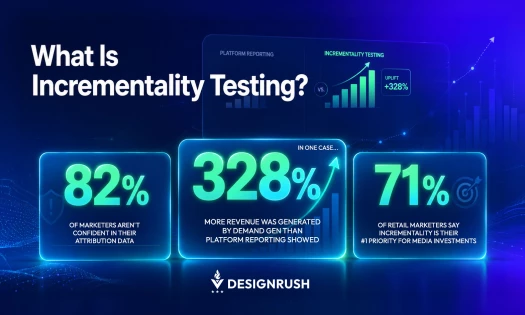
Incrementality testing closes that gap by running holdout groups (a controlled audience segment that sees no campaign) alongside active spend, so you can measure the lift your marketing actually generates above the organic baseline.
For growth teams, this matters in two ways:
- As a gate for scaling decisions. Use test-and-control markets to decide whether a new channel is worth entering, or to find the point of diminishing returns on one you're already running.
- As a tool for protecting margin. Incrementality results give you the confidence to cut spend that isn't driving growth so you can redirect it to what is.
Start where your largest budget is concentrated. Start with the channels where the gap between platform-reported performance and true incremental impact is largest. That gap tends to show up in brand search, Performance Max, Demand Gen, or Meta prospecting.
Example – How Silverback Strategies Uncovered 3.3x More Revenue From Google Demand Gen
Silverback Strategies worked with a multi-location brand to see if Google Demand Gen campaigns were creating revenue beyond what the platform attribution showed.
By comparing campaign-exposed audiences against holdout segments and broader revenue trends, the team noticed a gap between reported and actual business impact.
The analysis found the campaigns drove 3.3x more revenue than Google Ads initially attributed. Upper-funnel influence was substantially undercounted, as it turned out.
The client could then make more confident budget allocation decisions and avoid cutting a channel that was actually a powerful growth driver.
How To Choose Business Growth Marketing Strategies
Not all growth marketing strategies deliver the same ROI for every business. The right approach depends on your stage of growth, customer journey, and primary business goals.
Startups benefit most from acquisition-focused tactics like SEO, referral marketing, social selling, and rapid experimentation to build awareness and validate demand.
More established companies often see stronger returns from retention and LTV-focused strategies such as personalization, lifecycle campaigns, customer communities, and re-engagement programs.
The key is matching tactics to your goals:
- Acquisition → SEO, referrals, paid media, social selling
- Retention → Lifecycle campaigns, onboarding, communities
- LTV growth → Personalization, loyalty, upselling
- Conversion optimization → A/B testing, funnel analysis, landing page optimization
Don’t make the mistake of trying to implement everything at once. The highest-performing growth teams prioritize a few high-impact initiatives, measure results carefully, and scale what works.
Growth Marketing Strategies: Wrap-Up
Successful growth marketing isn't about implementing every available strategy, but about choosing the right marketing strategies for business growth.
Focus on personalization, data-driven experiments, and content across the customer journey. Embrace customer community and purpose to unlock loyalty. And above all, test quickly and learn constantly.
That’s how smart teams are driving the highest ROI in 2026 and beyond.
Businesses that need additional expertise can work with an agency to plan experiments, improve tracking, and execute digital agency growth strategies at scale.

Our team ranks agencies worldwide to help you find a qualified partner. Visit our Agency Directory to find top-rated top growth marketing agencies, as well as:
- Top Digital Marketing Companies
- Top Content Marketing Agencies
- Top Creative Agencies
- Top Affiliate Marketing Companies
- Top Direct Marketing Companies
Growth Marketing Strategies FAQs
1. What is the difference between growth marketing and traditional marketing?
Growth marketing uses data, testing, and rapid iteration to improve results throughout the customer journey. It focuses on measurable outcomes such as ROI, retention, and customer lifetime value.
Traditional marketing often puts more emphasis on awareness and fixed campaigns, with fewer opportunities to test and adjust.
2. How quickly can I expect ROI from growth marketing strategies?
It depends on the tactic.
Referral programs and A/B testing can produce results within weeks. Automation and personalization often take three to six months, while SEO and content marketing may need six to 12 months or longer to build momentum.
Your marketing stack, team agility, and data quality will also affect the timeline.
3. Which growth marketing strategy is best for early-stage startups with limited budgets?
Startups should begin with low-cost tactics that provide useful feedback quickly.
Referral marketing can bring in trusted leads without heavy ad spend. SEO and content marketing build visibility over time, and basic A/B testing can improve conversion rates with minimal investment.
Start small, measure carefully, and reinvest in what works.
4. How much does growth marketing cost?
Costs vary based on the channels, tools, testing requirements, and level of outside support involved.
A smaller business may start with SEO, email automation, referral campaigns, and landing-page testing. Paid acquisition, advanced personalization, analytics infrastructure, and agency support usually require a larger budget.
The key is to tie spending to customer acquisition cost, lifetime value, retention, and incremental revenue.
5. What is the difference between growth marketing and demand generation?
Demand generation builds awareness and interest among potential buyers, particularly near the top of the funnel.
Growth marketing has a wider scope. It also looks at activation, retention, revenue, and referrals, so demand generation may form part of a broader growth marketing strategy.
6. What are the best channels for growth marketing?
The best channels depend on your audience, sales cycle, goals, and available resources.
SEO and content marketing support long-term organic acquisition. Paid media can generate demand faster, while email works well for onboarding and re-engagement.
Referral programs, communities, and social selling can also support growth by building on trust and existing relationships.
7. How do you measure growth marketing success?
Growth marketing success should be measured using metrics tied to customer behavior and revenue.
Common measures include customer acquisition cost, customer lifetime value, activation rate, conversion rate, retention, churn, referral rate, incremental revenue, and marketing ROI.
Track performance by channel, campaign, and customer cohort. Where possible, use holdout groups or incrementality testing to confirm whether the activity created additional growth.