
Digital marketing in financial services is built on trust, compliance, and innovation. Today’s customers are swiping their way through options, trading legacy brands for fresh fintech solutions that offer personalized experiences and security.
We'll cover how to meet those demands and adapt to shifting customer demographics and digital trends.
Digital Marketing for Financial Services: Key Points
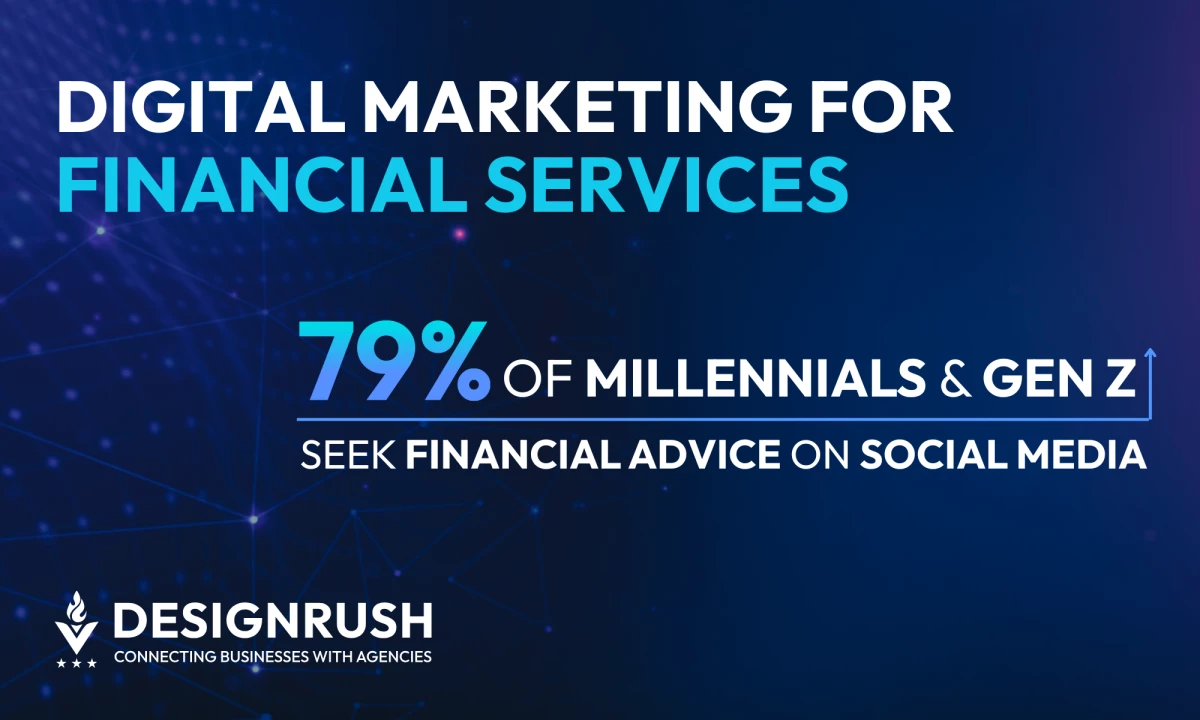
- 60% of Millennials consider financial products actively, and 79% turn to social media for advice.
- Millennials and Gen Z expect honesty, privacy, and digital-first experiences in financial services.
- Younger generations currently hold $21 trillion in assets but will inherit $84 trillion, creating a huge market for fintechs that prioritize trust and innovation.
The Demographic Shift: From Legacy Clients to Younger Gen
Financial services marketing is shifting focus from older, legacy clients to 142M Millennials and Gen Z consumers.
Over the next decade, the “Great Wealth Transfer” will move $84T to these younger generations, who currently hold 11% of assets ($21T) but make up 59% of the workforce.
Here are key strategies that’ll help your brand become the preferred choice as the market shifts.
1. Thought Content & Consumer Education: Establish Authority and Trust
Americans’ financial literacy is surprisingly low; only about half of U.S. adults even feel financially literate, while many avoid money talks altogether.
This gap is a huge opportunity for financial brands to build trust and stand out by educating their customers. Here’s how:
1.1. Create Long-Form Guides on Complex Financial Topics
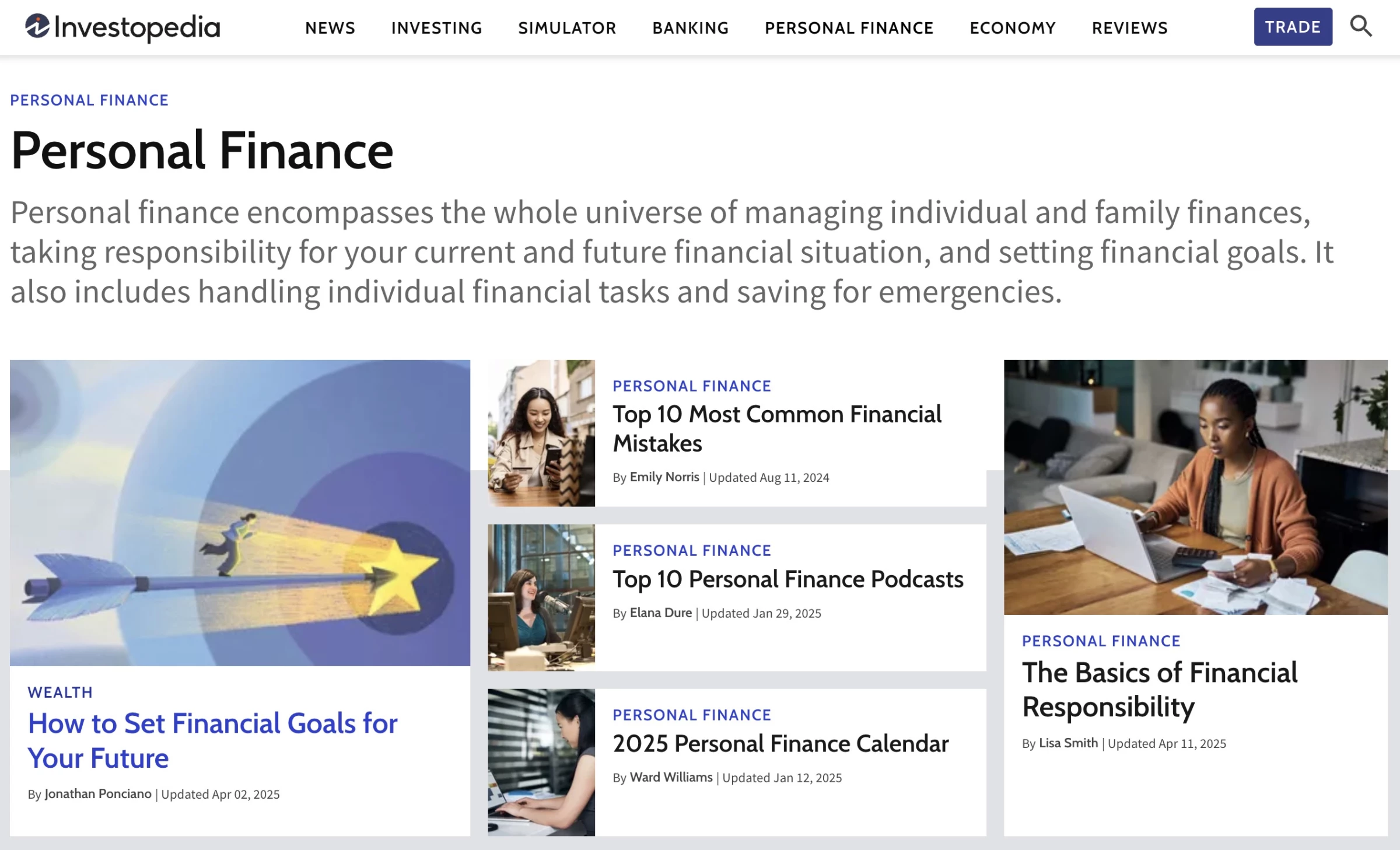
Long-form educational content can help simplify and break down complex financial topics while establishing your brand as a trusted authority.
60% of Millennials are actively considering products like insurance, investments, and mortgages (Forbes). Being the brand that guides them through these decisions sets you apart and builds long-term loyalty.
Actionable Content Ideas
View this post on Instagram
- Develop evergreen guides (e.g., First-Time Homebuyer Mortgage Guide, Retirement Investing 101).
- Feature insights from certified experts and legal advisors and cite reputable sources.
- Incorporate interactive tools like calculators, infographics, and quizzes to provide personalized insights.

1.2. Social Media: Meet Your Audience Where They Are
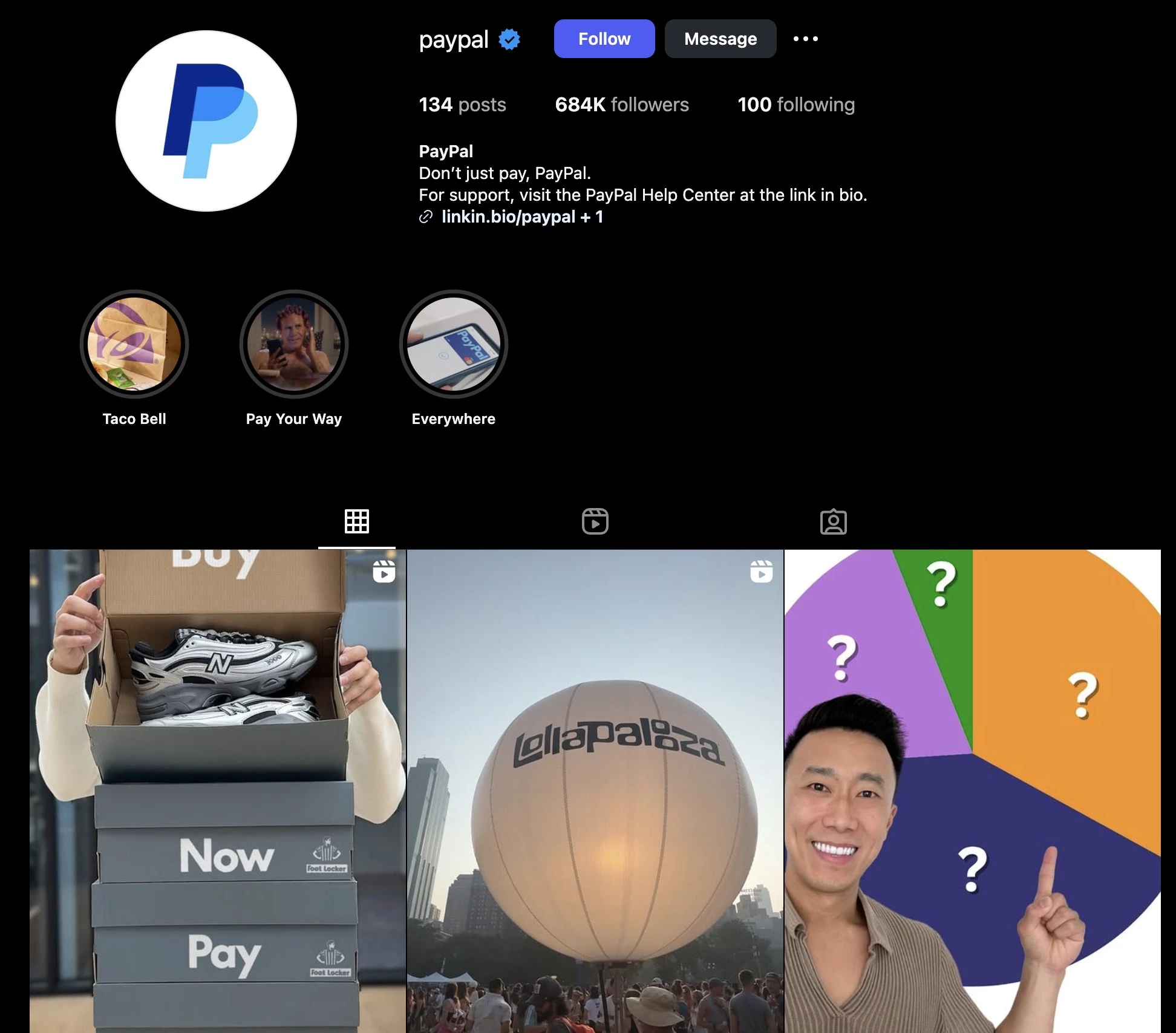
79% of Gen Z and Millennials consumers rely on social media for financial advice, making it a high-potential sales funnel.
This means financial brands must prioritize platforms where their audience is most active.
Platform Engagement Statistics
- YouTube: 84% of younger consumers regularly engage with content here
- Instagram: Over 60% engagement
- TikTok: 76% engagement
Actionable Key Steps
- Focus on short, punchy explainer videos (e.g., 30-second clips instead of 3-minute ones) to fit modern consumption habits.
- Produce videos fit for each platform to capture attention. Tutorials on YouTube, reels on Instagram, and trend-driven clips on TikTok.
- Use interactive features such as polls, Q&A, and stories to encourage participation.
- Publish thought leadership content (articles, short posts, infographics) on LinkedIn regularly.
View this post on Instagram
1.3. Influencer and Partner Collaborations: Extend Your Reach
Collaborate with niche financial educators and trusted influencers to amplify your brand’s message and reach highly targeted audiences.
Financial topics can be intimidating or dry, but influencers can make them relatable, authentic, and easy to understand.
Ideal Collaborators
View this post on Instagram
- Personal finance coaches
- Investment advisors
- Credit counselors
- Niche creators focus on money management, budgeting, and financial wellness.
Actionable Collaboration Steps
View this post on Instagram
- Influencers can create videos or posts that feature your product or service, sharing their personal experience.
- Educators can co-host webinars on topics like “Smart Investing for First-Time Buyers.”
- Host Instagram Live, LinkedIn Live, or TikTok Q&A events where an expert answers audience questions in real time.
- Collaborate on a themed series (e.g., “30 Days of Money Tips”) where you both cross-promote via shared hashtags.
2. Paid Ads: Drive Results With Keyword Compliance
Paid media is still one of the most direct ways to connect your brand with high-intent prospects. However, in the finance sector, this targeting needs to go hand-in-hand with compliance.
This means financial marketers must approach paid media with a compliance-first mindset, ensuring:
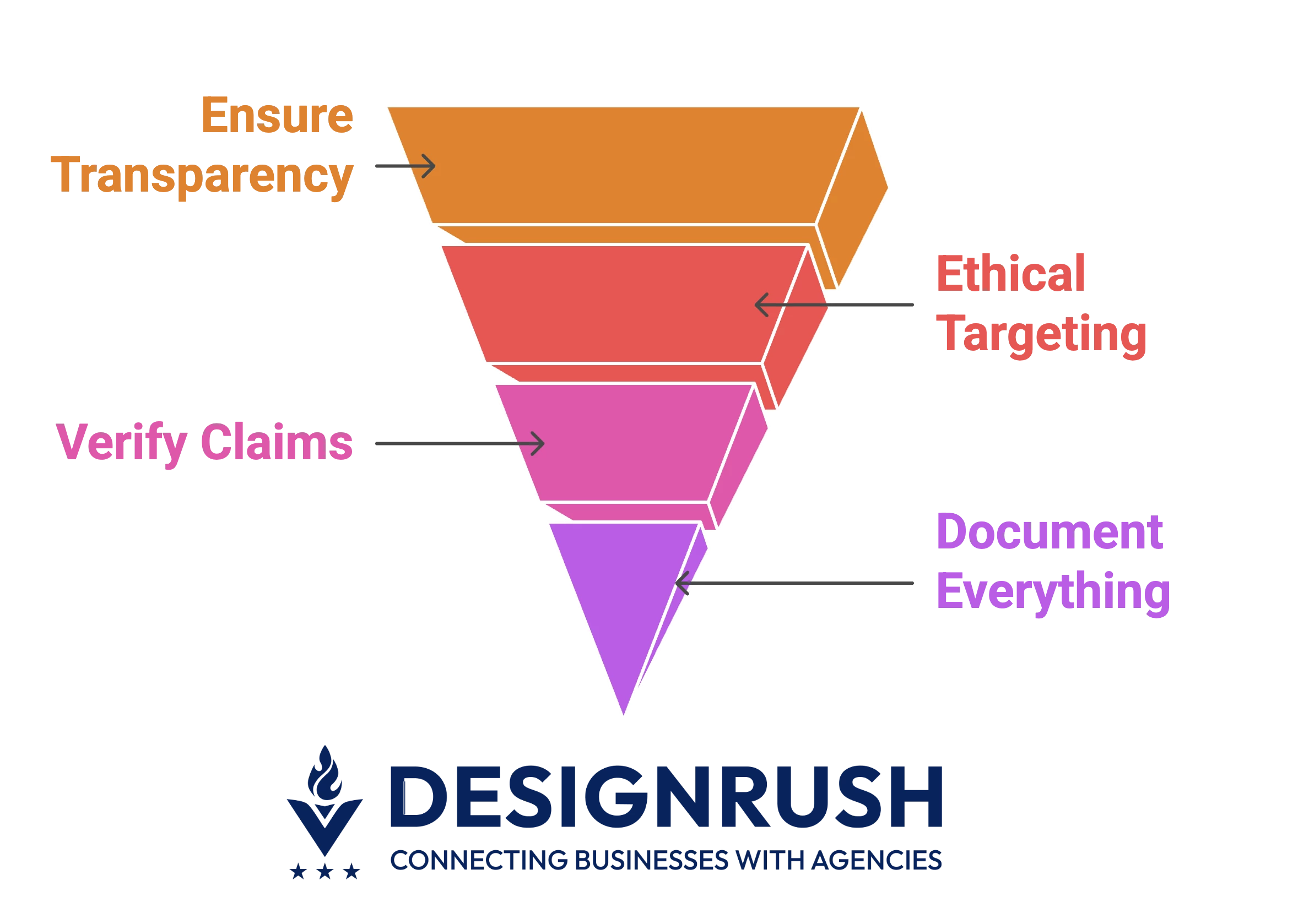
- Ad copy is transparent and accurate (No misleading or unverified claims).
- Targeting is ethical, and disclaimers are placed.
- All claims are verifiable.
- Ad copy and targeting criteria are well documented.
Here are a few strategies you can use to stay compliant while still getting the most out of your ad spend:
2.1. Google Ads Strategies With Keyword Compliance
Google Ads campaigns require carefully thought-out campaigns that comply with regulations and still achieve ROI.
Actionable Strategies
- Target high-intent searches such as “best small business loans” or “low-cost retirement plans”.
- Use keyword strategies that comply with financial regulations, avoiding prohibited terms.
- Use audience targeting features like in-market segments, demographic filters, and remarketing lists.
2.2. LinkedIn Lead Gen for B2B Finance
LinkedIn is ideal for B2B financial services since you can precisely filter leads by job title, company size, industry, and seniority.
When combined with LinkedIn Lead Gen Forms, you can capture lead details without the user leaving the platform, reducing friction.
Actionable Strategies
- Create campaigns targeting specific roles such as CFOs, HR directors, or procurement managers in aligned industries.
- Offer valuable lead magnets such as exclusive market reports, financial trend analyses, or compliance checklists.
- In LinkedIn Lead Gen Forms, pre-fill known fields to make sign-up seamless.
2.3. Retargeting Users With Gated Lead Magnets
Retargeting means re-engaging qualified leads who showed interest but didn’t take action.
In financial marketing, this is one of the highest-converting tactics, especially when paired with valuable gated content. 
Actionable Strategies
- Set up campaigns in Google Ads, LinkedIn, or Meta to re-engage visitors who viewed key product pages.
- Offer high-value gated assets such as eBooks, mortgage calculators, budgeting templates, or market forecasts in exchange for contact details.
- Use automated email sequences to nurture leads with follow-up content, like success stories or how-to guides.
- Monitor engagement metrics and refine offers based on the tools or content that drive the most conversions.
3. SEO: Build Visibility and Trust
Besides ranking higher, SEO in financial services also builds trust in a space where Google holds brands to a higher standard under its YMYL (Your Money, Your Life) guidelines.
A well-structured SEO strategy in finance starts with sematic clustering, expert validation, and local optimization, so you capture both general and hyper-targeted audiences.
Here are a few strategies to do this:
3.1. Semantic Clustering and EEAT
To satisfy Google’s E-E-A-T (Experience, Expertise, Authoritativeness, Trustworthiness) criteria, financial brands should create content hubs that group related topics together.
This helps you demonstrate your depth of knowledge and expertise.
Actionable Strategies 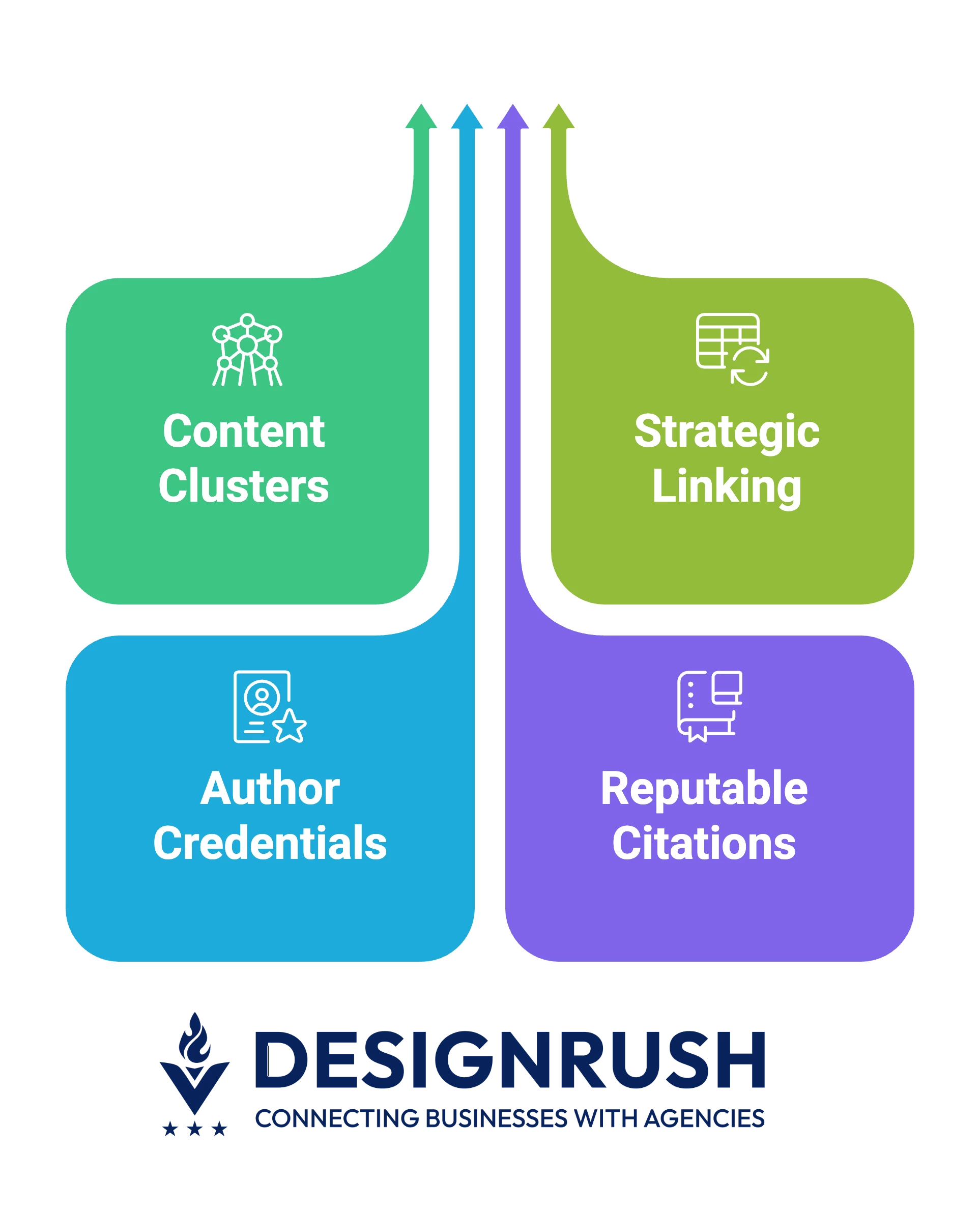
- Create content clusters around high-value themes (e.g., retirement planning, first-time home buying, small business funding).
- Link supporting blog posts, videos, and guides back to a central “pillar page” for SEO strength.
- Clearly display author credentials and bios for credibility.
- Include citations to reputable sources like government agencies, industry reports, or peer-reviewed research.
3.2. Local SEO for Branches and Regional Services
For financial institutions with physical branches or region-specific services, local SEO can drive qualified leads to your business.
Stats: 80% of consumers search for local businesses online weekly; localized blogs and branch optimization can boost sales by 300%.
Ignoring this aspect of your SEO means missing out on high-intent prospects.
Actionable Strategies
- Fully optimize Google Business Profiles with up-to-date hours, contact info, services, and images.
- Encourage satisfied clients to leave reviews, and respond promptly to build trust.
- Create geo-targeted landing pages for each service area, incorporating local keywords naturally.
- Publish localized blog content such as “Mortgage Trends in [City]” or “Small Business Grants in [Region]”.
4. Email Marketing: Connect With Customers Directly
In financial services, email marketing becomes most effective when you personalize it to the customer’s financial goals, behaviors, and life stage.
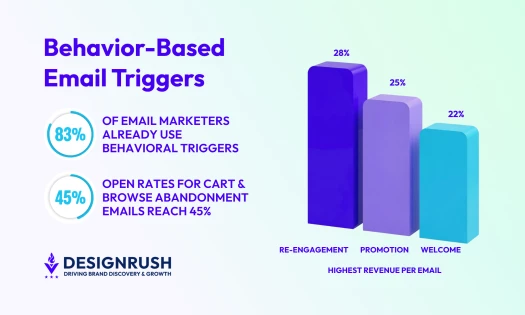
Meaning, instead of sending a generic newsletter, use segmentation and behavioral triggers to send messages at the right moments.
4.1. Behavioral Segmentation by Financial Goal
When you segment your audience, you can create highly-targeted campaigns that cover specific needs.
Roy Caccamo, founder and CEO of Why Digital, emphasizes:
“As marketers, our goals are to get our clients in front of as many of their relevant target customer segments as possible for the least amount of money and effort, all while using engaging content that resonates with them emotionally."
Goal: The more relevant your emails, the higher your engagement and conversation rates.
Actionable Strategies

- Group contacts by meaningful categories such as young professionals, families saving for college, pre-retirees, and small business owners.
- Curate subject lines, offers, and resources to each segment’s goals (e.g., a college savings calculator for families vs. a retirement readiness checklist for pre-retirees).
4.2. Triggered Sends for Key Milestones
Having automated triggers is one way to keep your brand top of mind during moments when customers are most likely to act.
Actionable Strategies
- Send birthday messages with personalized offers or perks.
- Schedule reminders six months before credit card expiry with renewal incentives.
- Deliver policy renewal notices paired with relevant cross-sell or upsell offers.
- Set anniversary emails for account sign-up dates with “customer appreciation” benefits.
5. Website UX: Optimize With Client-Centric Design and Compliance
Finally, your financial brand’s website is the primary trust-building and conversion-driving platform in your arsenal.
Its design must be client-centric, easy to navigate, and optimized for both performance and compliance. Here’s how you can achieve these:
5.1. Client-Centric Design Principles
Your financial service website shouldn't simply list your services, but it should be there to help clients make confident decisions.
Design with their needs in mind to create an intuitive and trustworthy experience that keeps them engaged from the first visit to conversion.
Actionable Strategies
- Prioritize user-friendliness with a clean layout, intuitive navigation, and mobile responsiveness.
- Include clear CTAs and conversion paths for every key service.
- Offer valuable tools like calculators, guides, and educational resources to encourage interaction.
5.2. Trust Indicators and Interactive Tools
As we’ve discussed earlier, trust is an important deciding factor in financial services.
On your website, showcase transparency, security, and brand consistency at every stage of the user journey.
Actionable Strategies

- Display security badges, certifications, and privacy commitments prominently.
- Provide interactive tools such as mortgage calculators, insurance coverage quizzes, or retirement planners to collect zero-party data (with consent).
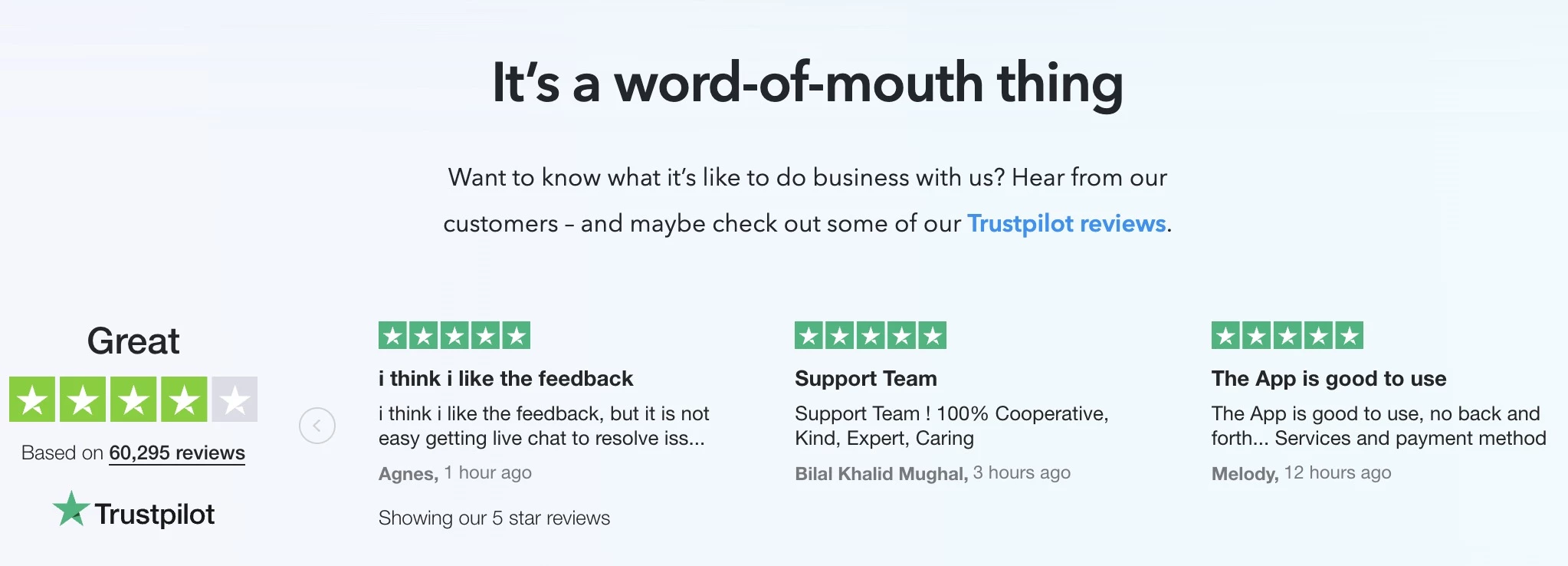
- Include customer testimonials and success stories to humanize your brand.
5.3. Accessibility, Performance, and Compliance
Poor accessibility or performance is a surefire way of driving your users away. Not only that, but it can also create legal risks for your business.
Stats: 97% of Millennials and 96% of Gen Z expect honesty from brands.
Actionable Strategies
- Ensure ADA compliance for all web content and interactive features.
- Maintain fast load times and mobile responsiveness to improve both UX and SEO.
- Display clear privacy policies, data protection measures, and identity theft safeguards.
- Keep messaging consistent across all touchpoints for brand trust and recognition.
Wrap-Up: Digital Marketing for Financial Services
Financial marketing is changing fast, and modern customers want more than just products. They demand privacy, honesty, and personalized experiences.
To connect with them, focus on building trust through helpful content, ensuring compliance, and using strategies like targeted ads and email marketing.
Now’s the time to meet your customers where they are and show them you understand what matters most.

Our team ranks agencies worldwide to help you find a qualified partner to implement the latest AI solutions. Visit our Agency Directory for the Top Digital Marketing Agencies, as well as:
- Top Digital Marketing Agencies for Financial Services
- Top Financial Services Web Design Companies
- Top Financial Services PR Agencies
- Top Financial Services Software Development Companies
- Top IT Services for Financial Industry
Digital Marketing for Financial Services FAQs
1. What is the most effective channel for financial services marketing?
It depends on your audience. Content marketing and video (YouTube, Instagram) work well for younger consumers. Social platforms like TikTok and Instagram Reels boost engagement and leads via influencers.
For high-intent users, Google Search and LinkedIn ads deliver strong ROI. The best marketers combine SEO, social, and targeted ads.
2. How can agencies ensure compliance in finance marketing?
Be proactive: train teams on SEC/FINRA rules, use legal reviews and compliance tools, and keep clear records.
Follow key regulations (SEC marketing rule, FINRA standards, GDPR). Compliance builds trust and avoids fines.
3. Are fintechs and banks marketed the same way?
Fintechs focus on innovation and ease, banks on stability and trust. Tailor messages by audience: younger users want digital convenience, while older users prefer personalized service. All must emphasize security and honesty to build trust.