
The Nike Logo: Key Points
- Nike’s brand value reached $107.3 billion in 2025, making it the most valuable apparel brand globally for the ninth year in a row, largely powered by its unmistakable Swoosh and brand-led marketing.
- The Swoosh logo alone holds 97% global brand recognition, proving the power of minimalist design backed by strategic storytelling and athletic endorsements.
- The “Just Do It” campaign, launched in 1988, drove a 1,000% increase in sales over 10 years, underscoring how visual branding paired with resonant messaging builds long-term revenue.
Through the years, the Nike logo has become synonymous with athletic excellence. The iconic “Swoosh” is memorable and timeless, emphasizing perseverance and striving for greatness. Overall, Nike’s brand identity revolves around “Just Do It” and simply put, it has stood the test of time.
But how big of a role did the logo play, and how did the company get there? Let’s look at the evolution, origins, and lasting legacy of the Nike logo.
Listen on the Go: How Nike’s Swoosh became a $34B brand asset through strategic consistency and psychological design.

The Evolution of the Nike Logo: A Symbol of Innovation and Excellence
From Blue Ribbon Sports to Nike, Inc.
Nike’s roots trace back to 1964, when University of Oregon track coach Bill Bowerman and his former student Phil Knight launched Blue Ribbon Sports (BRS) to distribute Onitsuka Tiger running shoes in the U.S.
But by the early 1970s, their partnership with the Japanese brand had grown strained. BRS wanted more control over product design, marketing, and margins — something they couldn’t achieve as a distributor.
In response, the founders made a decisive pivot:create their own footwear line. That required not just a new product but a new identity.
In 1971, BRS rebranded as Nike, inspired by the Greek goddess of victory. The name, suggested by employee Jeff Johnson in a dream, conveyed speed, triumph, and mythology, ideal for a company targeting elite athletes and performance-conscious consumers.
The shift marked more than a name change. It was a strategic move from middleman to brand owner, allowing full control over product innovation, storytelling, and customer experience. With this transformation came the need for a symbol bold enough to carry the new brand, and that’s when the Swoosh was born.

The Birth of the Swoosh — And a Reluctant Approval
That same year, Knight hired Portland State University student Carolyn Davidson to design a logo for just $35.
Her brief? Capture motion, speed, and spirit. Inspired by the wings of Nike, the goddess, she created the Swoosh: a fluid, minimalist checkmark.
Knight’s reaction? “I don’t love it, but it will grow on me.” And it did...on him, the company, and the entire world.
While her initial payment was modest, Davidson later received 500 shares of Nike stock (now worth over $1 million), along with a gold Swoosh ring, a fitting tribute for a design that would go on to reshape modern branding.
Typography Meets Movement: 1978 Refinement
-desktop.jpg)
In 1978, Nike replaced its early cursive wordmark with a bold, all-caps Futura typeface, aligning with the athletic and performance-driven tone the brand was developing. The Swoosh itself evolved into a solid black icon, enhancing visibility across advertising, packaging, and products.
Throughout the late 1970s and early 1980s, this version underwent minor refinements but remained largely unchanged, demonstrating its simplicity and versatility as Nike expanded its product line and marketing efforts.
This design became the foundation for global scalability, simple, adaptable, and powerful across formats. As Nike expanded from running shoes into basketball, cross-training, and apparel, the logo scaled with it.
1980s–1990s: From Endorsements to Empire

Nike’s logo wasn’t just appearing on gear, it was being worn by icons.
- In 1984, Nike signed Michael Jordan, leading to the Air Jordan line. Within its first year, Nike earned $100M from Air Jordan sales.
- The logo gained association with winning: Olympians, NBA stars, tennis greats, all carried the Swoosh into the spotlight.
Then came 1988, and with it, Nike’s rallying cry: “Just Do It.” Coined by Dan Wieden of Wieden+Kennedy, the slogan became shorthand for personal excellence and boundary-pushing, paired visually with the Swoosh.
The result? A 10x revenue growth over the next decade, vaulting Nike from $877M in 1988 to over $9B by 1998.
The Swoosh as Global Language (1995–Present)
-desktop.jpg)
By 1995, Nike was confident enough in its brand equity to drop the wordmark entirely. The Swoosh stood alone, and it worked.
Today, the logo’s visual minimalism transcends language, which is critical for Nike’s presence in over 170 countries. Its design scales across surfaces, from mobile apps to billboards, limited-edition sneakers to Olympic uniforms.
More importantly, it anchors Nike’s brand story: Speed. Victory. Movement.
Culture, Fashion, and Advertising Influence
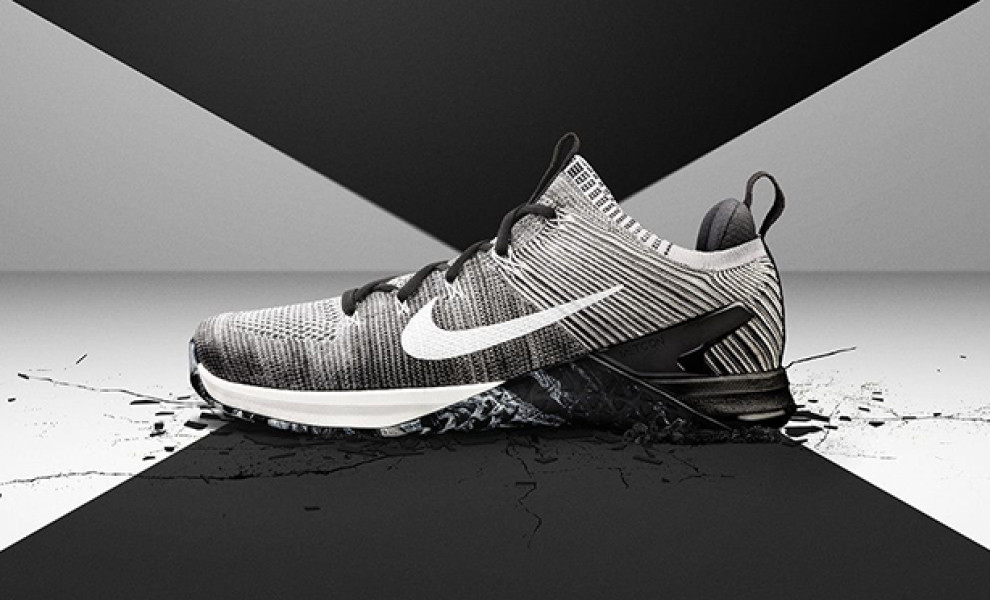
The Swoosh isn’t confined to sports, it’s a pop culture emblem. Worn by rappers, streetwear enthusiasts, and sneakerheads, Nike has become synonymous with cool. Here are some ways the brand has been successful in dominating culture, fashion, and influence.
- Cultural Credibility: Nike’s long-standing partnerships with icons like Michael Jordan, LeBron James, and Travis Scott continue to reinforce its relevance at the intersection of sports and entertainment.According to recent surveys, over half of customers (56%) say that celebrity partnerships played a role in their decision to purchase Nike products.
- Performance Reputation: Gen Z consumers, often health-conscious and active, are drawn to Nike’s track record in high-performance footwear and apparel.
- Emotional Storytelling: Nike’s campaigns often lean into aspirational narratives, turning personal struggle and perseverance into universal messages. This has deepened its emotional resonance with audiences across generations.
- Purpose-Led Branding: With initiatives like “Move to Zero”, which focuses on reducing carbon emissions and waste, Nike connects with socially aware consumers who demand sustainability from the brands they support.
- Loyalty Engine: These brand pillars have translated into real results. Open Loyalty ranks Nike among the world’s most loyalty-driven brands, with customer retention rooted in both emotion and performance.
- Digital Fluency: Nike’s mastery of digital platforms and social media allows it to speak Gen Z’s language, whether through TikTok collabs or purpose-driven Instagram content.
- Future-Ready Innovation: From experimenting in the metaverse to integrating wearable tech, Nike constantly evolves its product ecosystem, keeping younger audiences engaged and invested.
Together, these elements prove that the Swoosh more than a logo. It’s a cultural code, embedded in identity, values, and aspiration.
_46fc03835358-desktop.jpg)
The Meaning of Its Timeless Design
To many, it looks just like a soft and fluid check mark, but the meaning behind this design goes much deeper. As we mentioned, Carolyn Davidson envisioned the logo representing the literal wing of the Greek goddess of victory, Nike, who was to be the company’s adopted symbol. Obviously, Davidson was headed in the right direction.
The beauty of the swoosh is its simplicity. Two curved filled-in lines are instantly synonymous with "fast and fluid." And knowing the deeper meaning adds authority and strength that further elevates this mesmerizing design. After all, the wings of goddess Nike were thought to have brought motivation and boldness to warriors heading to meet their fate on the battlefield.
Today that swoosh still strikes with motivation and eye-captivating boldness, and after it strikes, it leaves behind resilience and dedication. It's the perfect symbol to sail Nike to victory, and it's the perfect emblem to promote this motivation, drive, and ambition amongst those who wear it.
Nike’s minimal logo is seen across all of the company’s branding — from fashion and footwear to gear and applications. It’s a minimal design that is impactful in every form, in any medium, and at any size. It’s also easily one of the most recognizable logos that exist today, and it’s just as impactful now as it was 30 years ago.
What Businesses Can Learn from Nike
- Design equity compounds. A simple, distinct logo can become your most powerful business asset if consistently tied to emotion, performance, and identity.
- Human stories matter. Nike’s origin story, from a student designer to a global juggernaut, is part of what makes the logo beloved, not just recognizable.
- Message and mark must align. The Swoosh isn’t just a graphic, it represents the brand’s philosophy. That synergy builds value.
If your logo isn’t driving recognition, loyalty, or cultural relevance, it’s costing you more than you think. The world’s most valuable brands, from Nike to Apple, treat design as a growth engine, not a finishing touch.
Ready to build a brand that performs on every level?
Visit our Agency Directory to find elite partners in:
And see how iconic identities come to life in our curated showcase: Best Sports Logo Designs.