
The PlayStation logo has survived 30 years without a real redesign, and almost no brand mark its size can say that. The story behind it is stranger than the clean shape suggests.
It began with a Sony and Nintendo partnership that collapsed in public, which pushed Sony to build its own console and its own identity from scratch. The logo that followed packed a sense of 3D depth into two letters, and Sony has carried that mark through five console generations. The colors went from bright primaries to black and white, but the shape barely moved. Here is how the PlayStation logo traveled from a boot-up screen to streetwear, and what you can borrow from it for your own brand.
What To Know
- The original PlayStation sold more than 102.5 million units and became the first console to pass 100 million. The PlayStation 2 followed with roughly 155 million, still the best-selling console on record.
- Manabu Sakamoto designed the 1994 logo along with a full custom character set for the brand, work that still appears on Sony hardware today.
- Sony brought the original four-color logo back in 2024 for the PlayStation Classic and the 30th-anniversary PS5 range, a sign of how much value the first mark still holds.
Origins Of PlayStation
Before any logo existed, PlayStation started as a deal between Sony and Nintendo. In 1988 the two companies agreed to build a CD-ROM add-on for the Super Famicom, with Sony engineer Ken Kutaragi running the work.
Sony planned to announce that add-on, called the Play Station, at the Consumer Electronics Show in June 1991. The next day Nintendo took the stage and revealed a competing partnership with Philips instead, and Sony learned about the switch from the audience. Nintendo's president had decided the 1988 contract handed Sony too much control over CD-ROM software.
Sony president Norio Ohga chose to keep the project alive. Development moved under Sony Music with the working codename PS-X, short for PlayStation X, a pointed nod to the deal Nintendo had broken. Sony Computer Entertainment was founded on November 16, 1993, and the first PlayStation reached Japan on December 3, 1994.
That launch changed who played games. The console pushed 3D graphics and CD storage while most rivals still shipped cartridges, and it pulled in older players next to kids. Sony sold more than 102.5 million units of the original PlayStation. That made it the first console to cross 100 million.
Evolution Of The PlayStation Brand
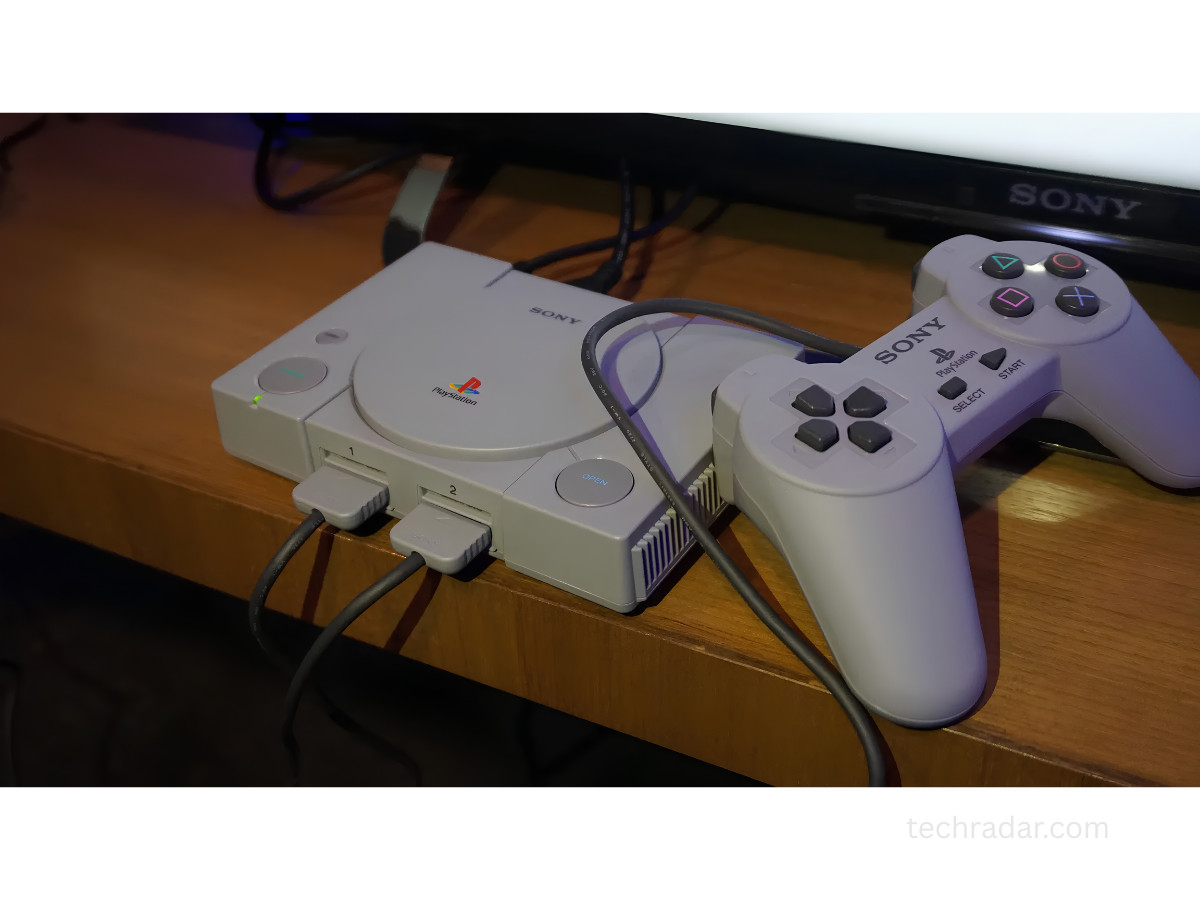
Each generation brought a leap in hardware, and the branding grew up alongside it:
- The PS1 (1994-2000) introduced 3D gaming and disc-based media.
- The PS2 (2000-2006) became the world's best-selling console at roughly 155 million units.
- The PS3 (2006-2013) added HD visuals, Blu-ray, and online play through the PlayStation Network.
- The PS4 (2013-2020) leaned into digital play, streaming, and community features.
- The PS5 (2020-present) focused on fast SSDs, adaptive controllers, and 3D audio.
The tone shifted as the audience aged. In the 1990s the brand ran on youth and bright color. By the 2000s it turned toward sleek, cinematic tech. In the 2020s it settled on a quiet black-and-white system built for a connected world of players.
History Of The PlayStation Logo
Every version of the logo has tracked the technology of its era and Sony's place in the market. Here is the journey, generation by generation.
1994-2009: The Original PS Logo
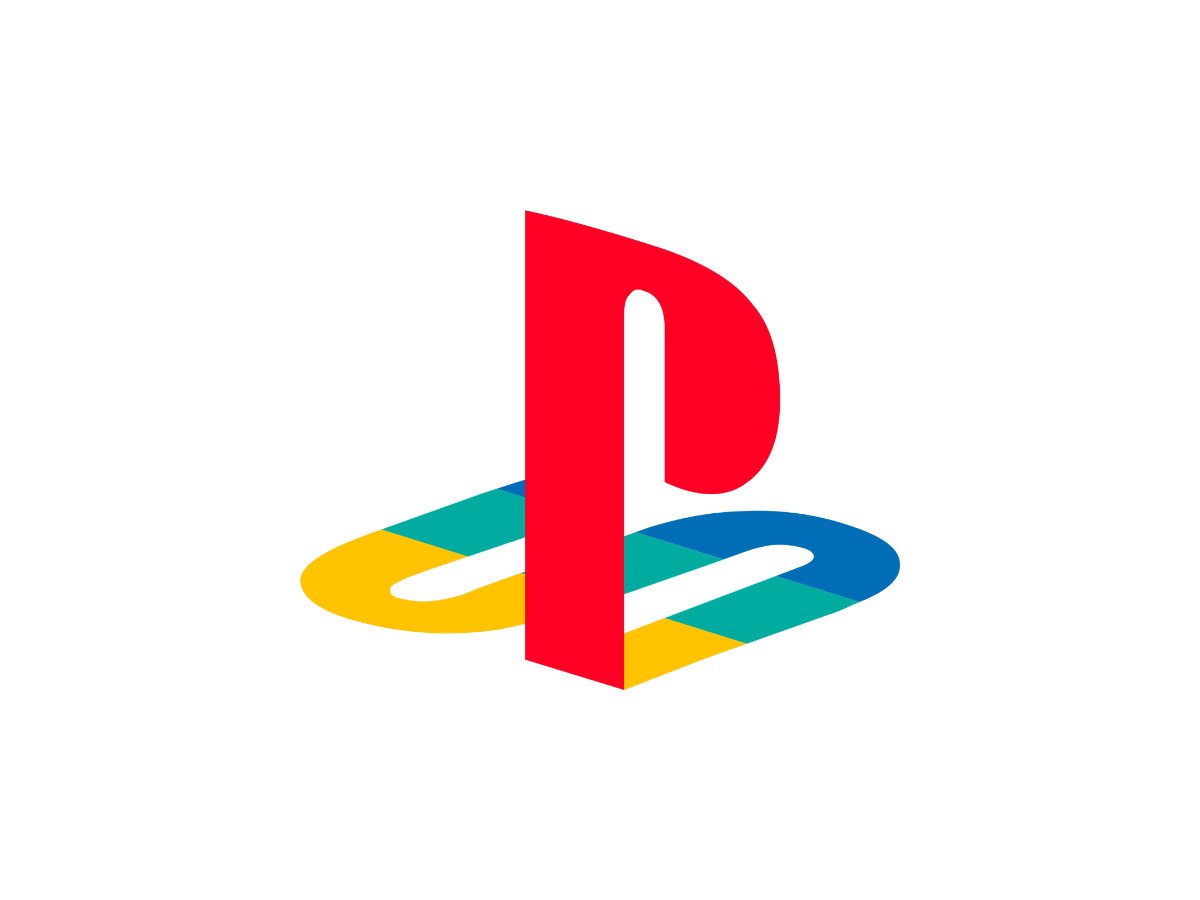
The first logo stacks a red "P" over a multicolored "S" laid flat like a shadow. Sakamoto chose red, yellow, green, and blue because anyone can name those colors in plain words, a decision he tied to clear communication. The upright "P" and flat "S" build a sense of depth that hints at the console's 3D graphics.
The bright palette had a job. Nintendo and Sega owned the market, and both spoke mostly to a younger crowd. Sony's colorful mark signaled that PlayStation welcomed everyone, from longtime gamers to first-time buyers.
2000: The PlayStation 2
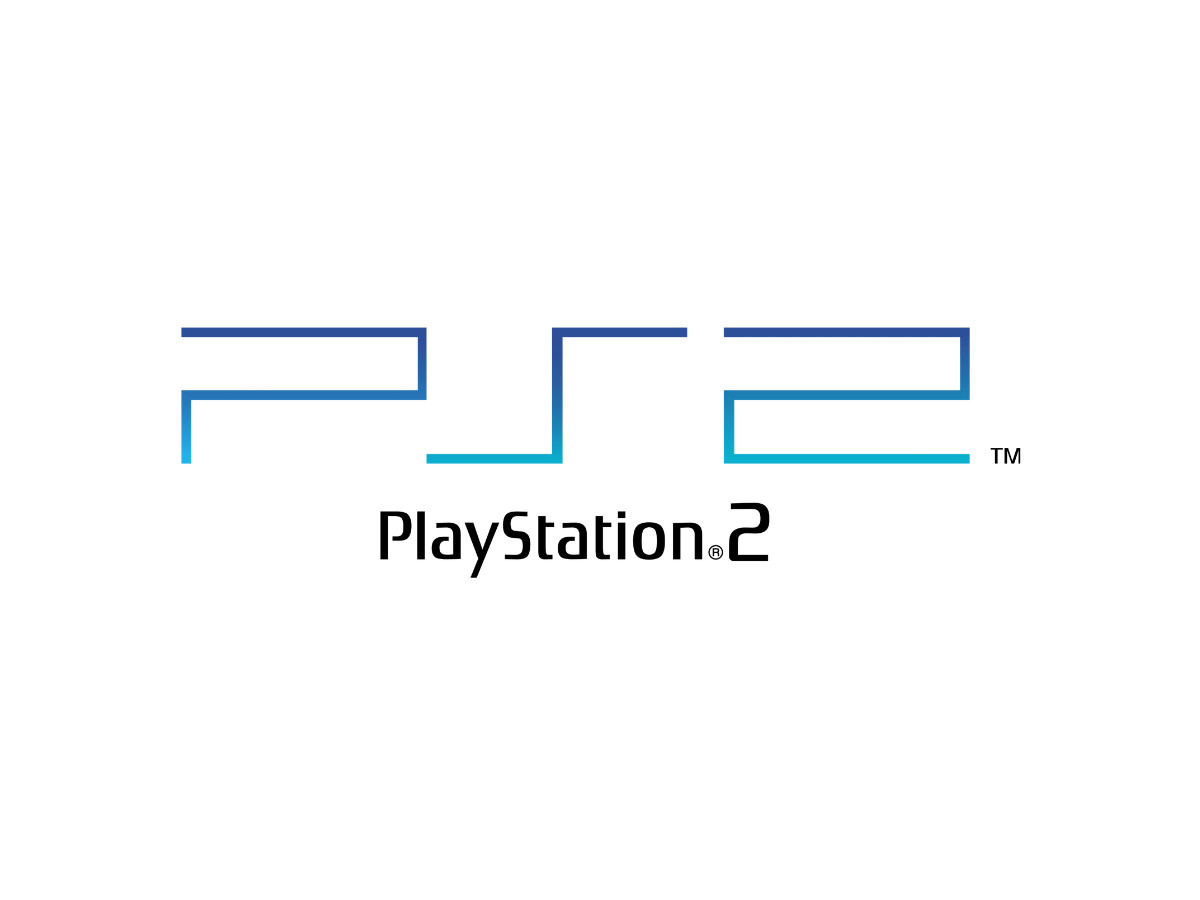
The PS2 dropped the interlocking monogram for an angular "PlayStation" wordmark set in a blue-to-turquoise gradient. The sharp letterforms matched the hardware's jump in power, including DVD playback and stronger processing. The look fit the clean, tech-forward design trend of the early 2000s.
The PS2 went on to sell about 155 million units. It still holds the record for the best-selling console ever made.
2006: The PlayStation 3
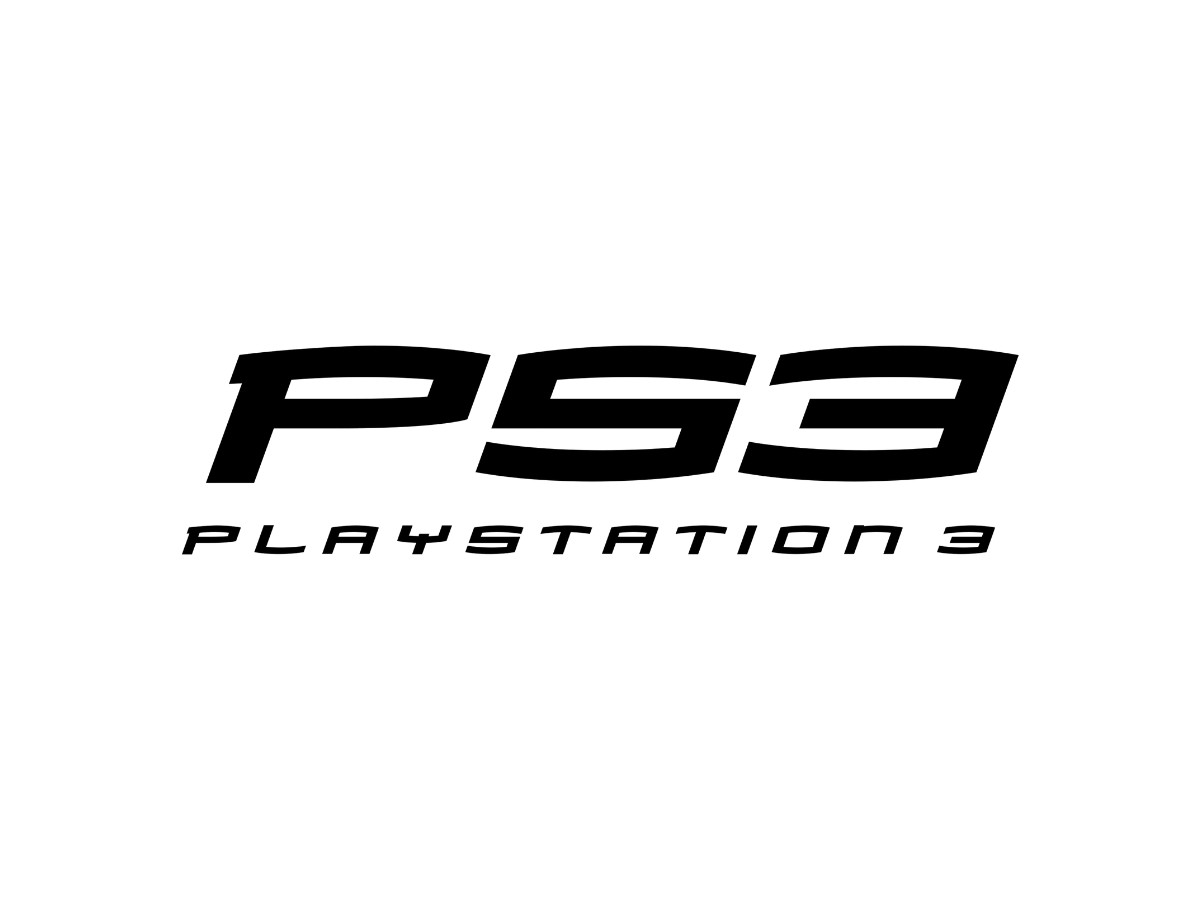
The PS3 launched under a bold, slanted "PS3" wordmark with "PlayStation 3" spelled out beneath it. Sony set it in T-26's Mata typeface, the same font as its 2002 Spider-Man film, a call the console's designer credited to SCE president Ken Kutaragi.
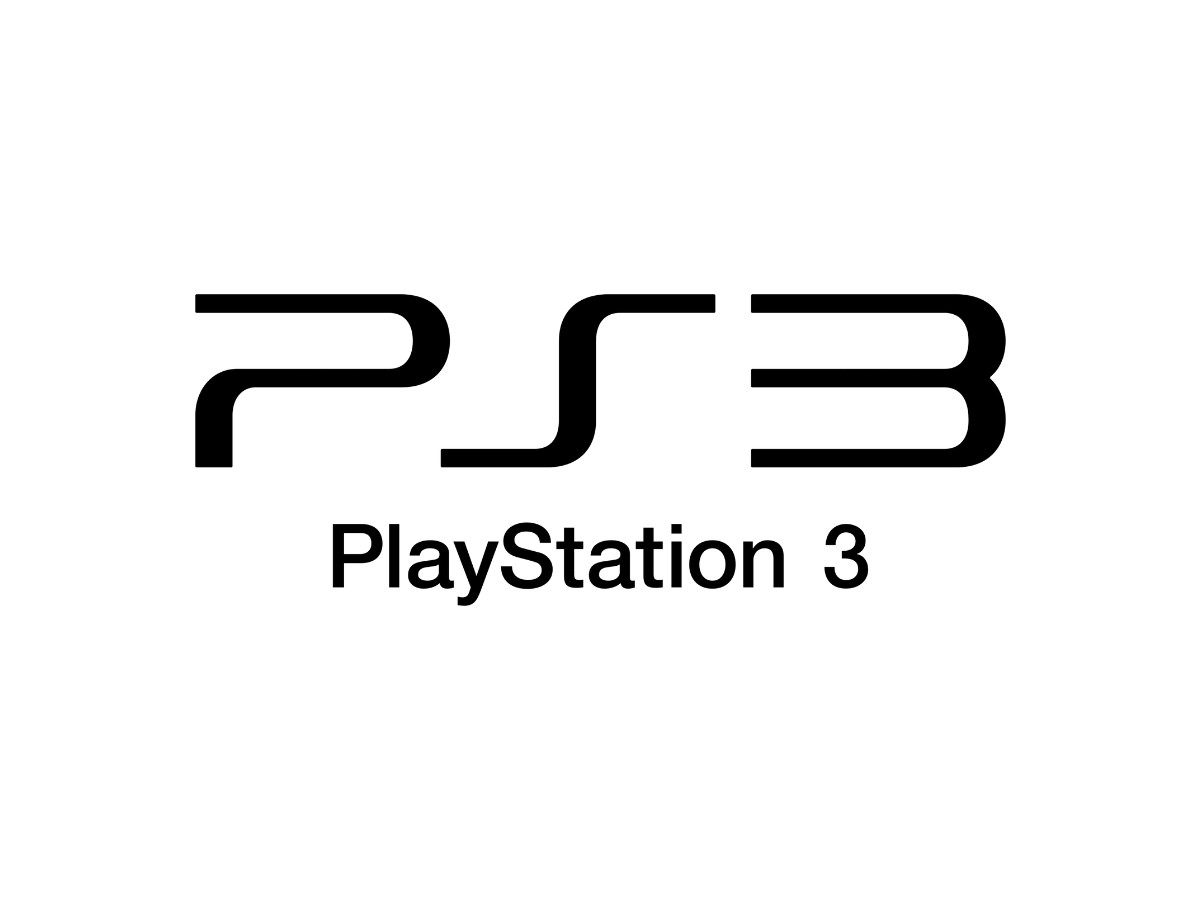
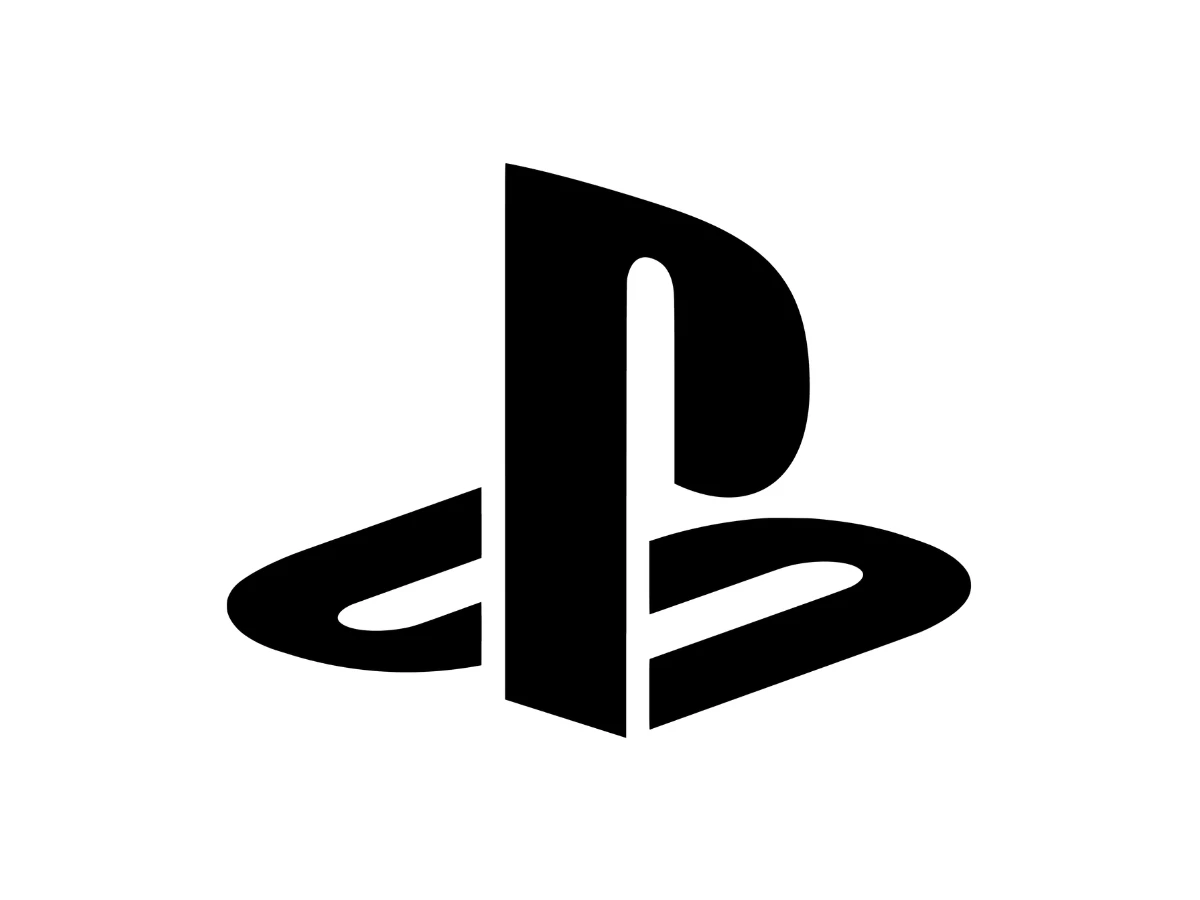
This era is also where Sony reworked its whole logo system. The geometric "PS3" wordmark that replaced the Mata version ran as the console's second logo from 2009 to 2017, and it arrived with the PS3 Slim next to the black-and-white "PS" family mark. Sony carried that family mark forward to the PS Vita, PS4, and PS5.
The monochrome "PS" mark had surfaced quietly before that, inside a PlayStation 2 instruction manual, ahead of its public debut in 2008. The full move away from color finished in 2009 with the Slim and later the Super Slim.
2013: The PlayStation 4
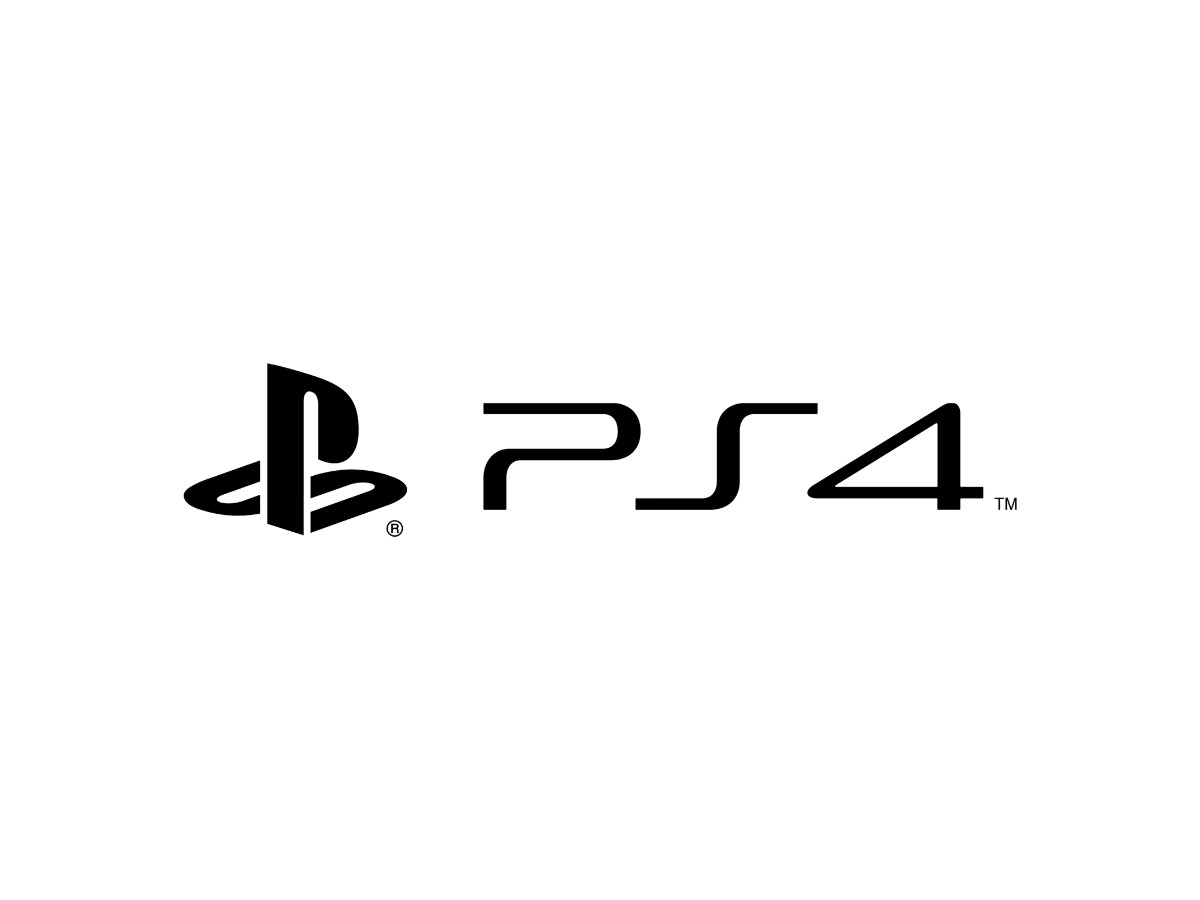
The PS4 kept the black-and-white "PS" family mark from the 2009 rebrand and paired it with a "PS4" wordmark in a bolder, more angular cut than the PS2 era. The mark reads as a nod to the brand's roots while still looking current, and it counts among the best black logo designs in the space.
That refined identity rode alongside strong sales. The PS4 moved more than 117 million units over its life, roughly double the Xbox One.
2020: The PlayStation 5
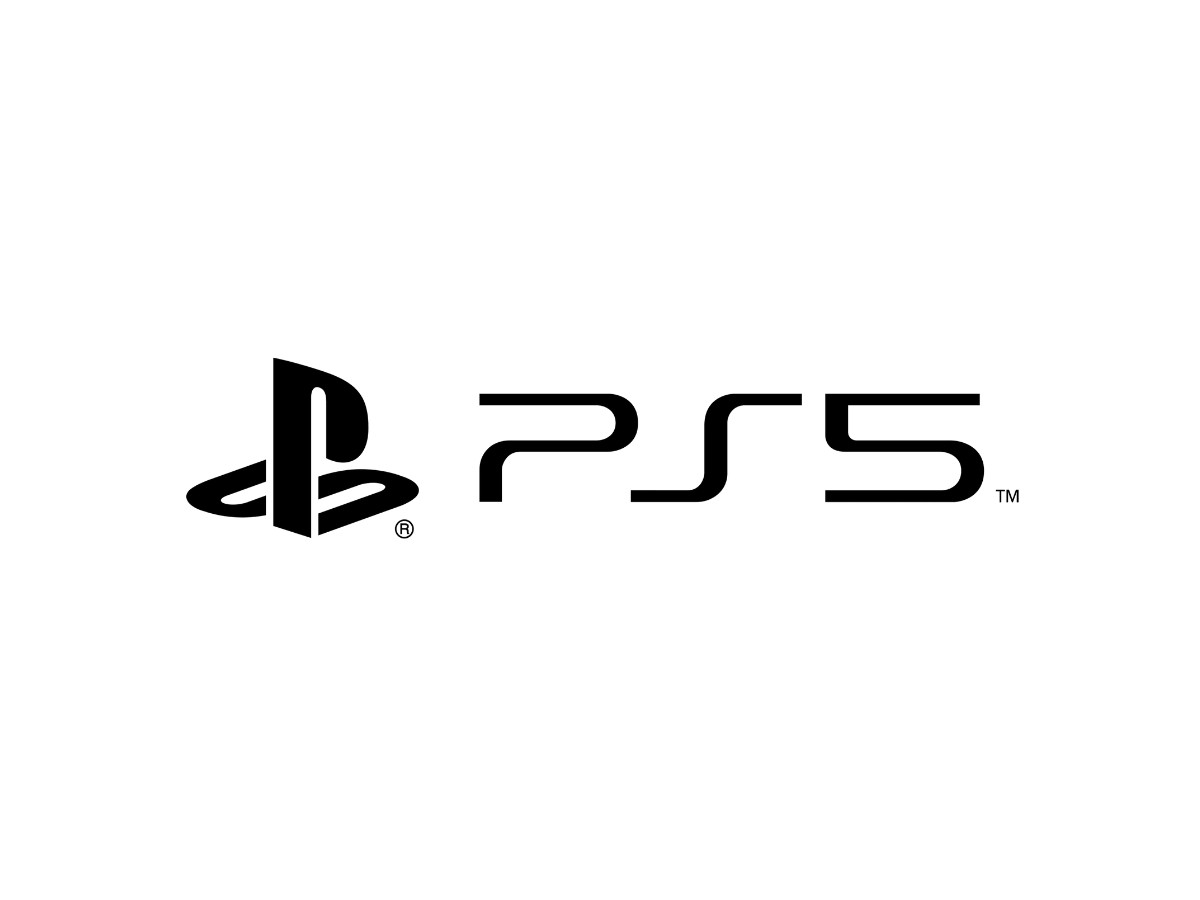
The PS5 logo changes almost nothing from the PS4. Sony swapped the "4" for a "5" and kept the proportions, spacing, and stroke weight intact. For a brand this recognizable, holding steady says more than a redesign would.
The 2024 Return Of The Original Logo
In 2024 Sony revived the original four-color logo for the PlayStation Classic and the 30th-anniversary editions of the PS5, PS5 Pro, PlayStation Portal, and DualSense controller. The anniversary hardware wore the 1994 color scheme and the old logo on brand-new products. After 15 years of monochrome, that move shows how much the first mark still means to players.
Logo Variants Beyond The Consoles
Sakamoto did not stop at two letters. He built a full custom character set for the brand, with extra signs and symbols meant to carry across console generations, including a version where the "P" holds a small white "S" inside it. That system let the identity stretch from box art to on-screen icons without losing its form.
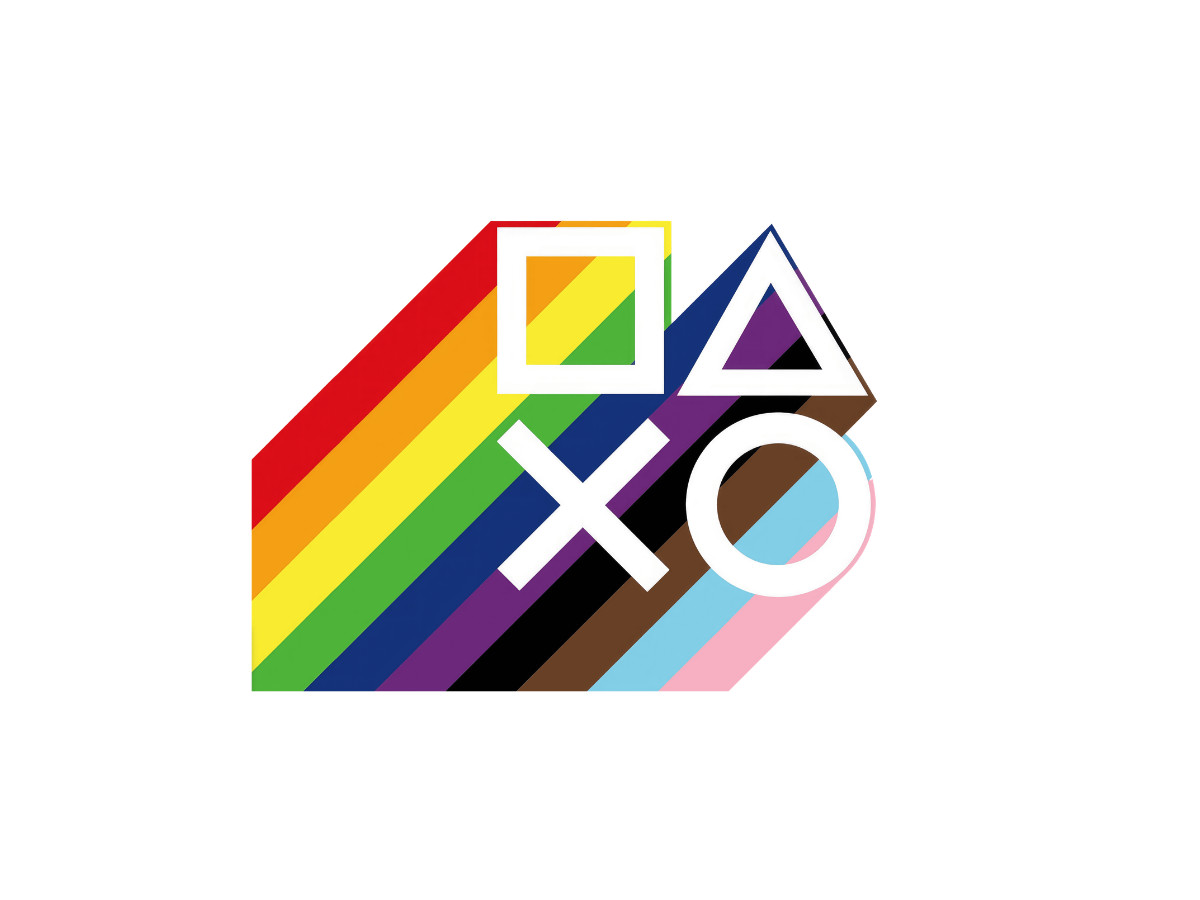
The brand also runs cause-based variants. For Pride, PlayStation renders its four face-button symbols, the triangle, circle, cross, and square, in the Progress Pride palette and swaps its social logo for a rainbow version, both tied to partnerships that support LGBTQ+ organizations. The PlayStation Network keeps its own PSN mark for online services.
Meaning And Symbolism Of The PlayStation Logo
Sakamoto has said the goal was to capture the "3D-ness" of the new console, echoing its move from 2D to 3D play. The stacked "P" and "S" still read as a solid object turned in space. The original colors stood for openness and fun, while today's black and white read as confident and grown-up.
That flexibility is why the mark scales so cleanly, from a console shell to a small app icon. It carries the brand's history without freezing it in place.
PlayStation Logo Design Features
The current wordmark uses a custom geometric sans-serif with even stroke weight and squared terminals. Look closely and the individual letters carry small signatures: the open "a," the round "o," the clean "n," and a "t" with a cut top stroke that keeps the word from looking generic. Those details are what make the custom type hard to copy.
The palette does the rest. Black and white keep the focus on the shapes, and they survive in print, on screens, and in a single ink. Standout features of the current system:
- A custom geometric sans-serif built for the brand
- Even stroke weight and squared terminals
- A distinctive cut on the top stroke of the "t"
- A form that works in one color, in print, and on screen
The present logo has run on the same two colors since 2009. The exact values:
- Black: HEX #000000, CMYK 0, 0, 0, 100, Pantone Black 6 C
- White: HEX #FFFFFF, CMYK 0, 0, 0, 0
Popularity And Cultural Reach Of The PlayStation Symbol
The logo shows up well outside gaming now. You can spot it on esports jerseys, streetwear, and music merch, where it holds its own among the best esports logo designs. In 2023, PlayStation's team-up with Nike and Travis Scott put the mark on limited-edition gear and pulled it deeper into fashion.
The money backs up the reach. Sony's Game & Network Services segment brought in roughly ¥4.26 trillion (about $27 billion) in its FY2023 results, with PlayStation as the main driver.
5 Lessons The PlayStation Logo Can Teach You About Branding
The logo shows how a simple design can grow into a cultural marker when you handle it with patience. Here is how to apply the same thinking to your own identity.
- Build around one idea. Sakamoto shaped the mark around a single clear concept, depth and perspective. Decide what yours should stand for before you touch the design.
- Refine instead of restart. Across five generations the core mark barely moved, and that steadiness built trust. Familiarity is one of your strongest assets, so change slowly.
- Design for every surface. The logo works on a console shell and a phone icon alike. Test yours in black and white, on screen, and in print before you commit.
- Let the look grow with your audience. As players aged, the brand traded bright color for a cleaner black-and-white system. Revisit your identity every few years to keep it honest.
- Give people something to wear. The mark turns up on jackets and jerseys as often as on packaging. Branding that invites a community turns customers into fans.
PlayStation Logo: The Bottom Line
PlayStation's logo has changed less than almost any brand its size, and that restraint is the point. Holding the core mark from PS1 to PS5 gave the brand a visual anchor across generations.
For agency leaders and brand owners, it works as a clean case study in how consistency turns into recognition, and recognition into loyalty. When a mark is this well known, small refinements beat big overhauls. Most Gen Z players now game in some form, and a large share play on consoles, so a familiar logo becomes a reason to pick one platform over another.
PlayStation Logo: FAQs
1. Who Designed The Original PlayStation Logo?
Manabu Sakamoto created the 1994 logo. He worked in-house at Sony, where he also shaped the VAIO identity, and he built a full custom character set for PlayStation beyond the core "PS" mark.
2. Has The PlayStation Logo Changed Over The Years?
The core "PS" idea has stayed put, while the color and finish shifted with each console. Sony moved from the colorful 1994 mark to a black-and-white system that rolled out between 2008 and 2009, then revived the original colors for the brand's 30th anniversary in 2024.
3. Why Is The PlayStation Logo So Recognizable?
It pairs a clear idea, a three-dimensional monogram, with a custom typeface and a palette that reads in any language. Sony has kept the mark steady for three decades, so players connect it with the brand on sight.

Our team ranks agencies worldwide to help you find a qualified partner. Visit our Agency Directory for the Top Logo Design Companies as well as: