
Web Design Trends: Key Points
- Websites are increasingly utilizing AI to deliver personalized content, adapting in real-time to user behaviors and preferences.
- Web designers incorporate interactive features like 3D models and dynamic data visualizations to improve how users experience and interact with websites.
- Web design in 2026 continues to favor clean, uncluttered layouts that focus on essential elements, improving both aesthetics and user experience.
In 2026, web design is shaped by cutting-edge technologies like AI-driven design, immersive VR elements, and voice user interfaces (VUIs). These trends improve visual aesthetics and create intuitive, highly responsive, and accessible user experiences.
We’ve compiled a list of the most popular web design trends for 2026, along with insights on how you can implement them to enhance your online presence. Let’s begin!
Accessibility Stays a Top Priority
Gabriel Shaoolian, CEO of Digital Silk, emphasizes the value of accessible design: "Fully accessible websites — those that empower disabled communities to utilize the Internet with ease — bring some of the highest value to websites aiming to improve time on site and conversions."
In fact, accessible web design is linked to increased engagement and higher conversion rates, as it makes it easier for all users, regardless of ability, to interact with content seamlessly. Accessibility features like screen reader compatibility, keyboard navigation, and high-contrast visuals create inclusive online experiences that cater to users of diverse abilities.
Additionally, the release of Web Content Accessibility Guidelines (WCAG) 2.1 is set to make the internet more inclusive by:
- Improving accessibility for users with low vision, learning disabilities, and speech impairments.
- Enhancing support for mobile devices, touch screens, and emerging technologies like driverless cars and cashless payments.
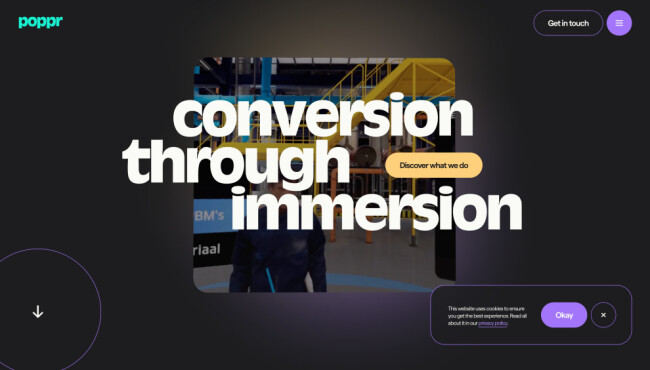
For example, Poppr’s website is a prime example of accessible web design, offering a user-friendly experience for all visitors, including those using assistive technologies. It successfully combines enhanced navigation with visually striking elements, demonstrating that accessibility and aesthetic appeal can coexist.
How Emerging Technologies Are Shaping Web Accessibility
- AI-driven tools like Figma’s AI create personalized, adaptive interfaces that can detect user needs in real time, adjusting elements for optimal readability and navigation based on individual preferences.
- Voice User Interfaces (VUIs), powered by AI assistants like Google Assistant and Amazon Alexa, improve accessibility for users with visual impairments or motor disabilities. By enabling voice commands, VUIs reduce the need for manual or visual input, making websites more inclusive and user-friendly.

Expressive Typography Will Soar
_fb5eab23eef8-desktop-content.jpg)
This graphic design trend goes beyond basic font selection; it turns text into a dynamic storytelling tool that conveys emotions, moods, and complex ideas, significantly enhancing user experience. Brands like Spotify and Airbnb use bold, dynamic typography to create memorable, visually compelling websites that reflect their brand identity.
In 2026, brands will continue to leverage this trend, incorporating interactive typography that changes based on user actions, such as scrolling or hovering. As technologies like WebGL for 3D text effects and JavaScript animations evolve, expressive typography will only become more immersive, increasing both its visual impact and user engagement.
For example, Humbleteam, with its minimalist yet bold design approach, exemplifies how expressive typography can enhance user journeys. By combining oversized typefaces with contrasting fonts, they create a sense of hierarchy and emotional depth that aligns with their brand, making the site both engaging and memorable.
How Emerging Technologies Are Shaping Web Typography
- CSS Grid offers precise control over layout, allowing typography to be fluid and responsive across different screen sizes.
- Variable fonts enable multiple weights, widths, and styles within a single font file. This allows typography to adjust dynamically based on user interaction or screen size.
- Machine learning optimizes typography, automates font pairing, suggests optimal typefaces, and adjusts elements like line height or contrast to improve readability and accessibility.
Speaking of Art… Illustrations Galore!
In 2026, illustrations and graphic design go beyond aesthetics, supporting a deeper connection between the brand and its audiences by creating a unique visual language that reflects a brand's personality, values, and tone of voice.
Illustrated designs are more than just decorative — they’re functional, making content more digestible and memorable. This trend is especially powerful in industries that deal with complicated subjects.
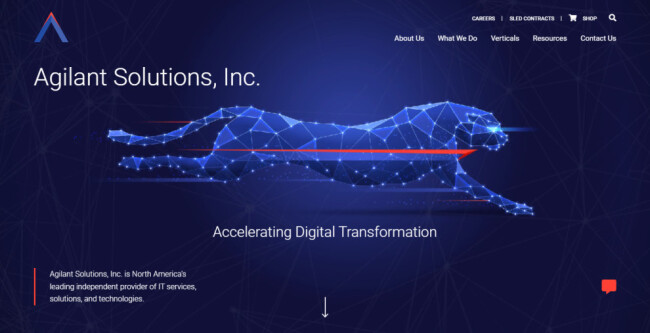
For instance, Agilant Solutions uses illustrations to highlight its technical expertise. Their website features illustrations that simplify complex technical content, making it more accessible and engaging for users.
How Emerging Technologies Are Shaping Web Illustrations
- AI-driven tools like MidJourney for UI prototyping, are making it easier for designers to create custom illustrations that adapt to the user experience.
- Interactive illustrations respond to user behavior, such as scrolling or hovering, creating a more dynamic and immersive web experience.
- Machine learning algorithms adjust the complexity of illustrations based on the user's previous interactions, ensuring that the content remains personalized and relevant.
Gradients, Gradients, Gradients

A gradient is a gradual blend of two or more colors, usually applied in linear or radial directions, adding depth, dimension, and visual interest and enriching elements such as backgrounds, buttons, and text. For example, Be The Buzz leverages gradients effectively to create a dynamic and engaging website experience.
How Emerging Technologies Are Shaping Web Gradients
Various technological advancements give designers more flexibility, allowing gradients to seamlessly integrate into both static and dynamic elements of a website:
- CSS3 allows for multi-stop gradients, making transitions between colors smoother and more nuanced.
- WebGL facilitates the creation of 3D gradients, adding a sense of spatial depth that reacts in real time to user interactions.
- Integrated motion design (via JavaScript or GSAP libraries) allows gradients to evolve as users scroll, hover, or interact with elements, adding fluidity and immersion.
Increased Use of Negative (White) Space

White space (or negative space) refers to the unoccupied areas on a webpage that give the content room to breathe. It’s about creating a balanced, harmonious design that enhances usability and allows key elements to stand out. For example, Explicit Promotions expertly uses white space to highlight content and guide the user’s focus without overwhelming them.
White space is not a new concept in web design, but rather a user-driven requirement. As mobile browsing continues to dominate, users’ reading and interaction habits have evolved. Today, users are accustomed to scanning rather than reading long blocks of text, often seeking quick, digestible information.
To accommodate this, designers are incorporating more white space, creating open, clutter-free layouts that improve user experience:
- Enhanced readability: Ample spacing around text and images improves content hierarchy and user navigation.
- Performance benefits: More white space can lead to faster load times and a more responsive user experience. Google found that 53% of mobile users abandon a site if it takes over 3 seconds to load — well-structured white space can improve site speed and usability.
How Emerging Technologies Are Shaping Negative Space in Web Design
In 2026, AI-driven design tools will help optimize white space by analyzing user behavior:
- AI insights: Platforms like Adobe Sensei suggest layout adjustments where additional white space might enhance readability and engagement.
- User-centric design: These adjustments help increase user retention by tailoring layouts to modern browsing habits, especially on mobile devices.
Smarter Chatbots With Conversational Design

Chatbots are no longer just about answering basic questions — they are evolving to provide highly personalized, human-like experiences that drive engagement and conversions.
Unlike traditional website elements, chatbots are dynamic, engaging users in conversation, addressing pain points, and driving actions. By integrating chatbots into website design, businesses can:
- Provide instant support, improve user engagement, and reduce friction throughout the user journey.
- Initiate conversations based on user behavior (e.g., cart abandonment), offering relevant prompts and support.
- Streamline the purchasing process and improve conversion rates by delivering targeted recommendations.
Shaoolian emphasizes that “Conversation-based chatbots that mindfully answer key questions and usher users along their journey with a personal touch are key in improving the user experience and, naturally, result in higher conversion rates.”
For example, The Un Known, an innovative online fashion brand, leverages chatbot functionality to engage users throughout the shopping experience. Their chatbot answers product-related queries and provides style advice based on customer preferences, leading to an increase in average order value and reduced cart abandonment.
How Emerging Technologies Are Shaping Chatbots
Conversational design is at the intersection of user experience (UX) and AI in 2026. The focus is not just on creating a chatbot that responds to queries but one that delivers more relevant, engaging, and context-aware conversations:
- Machine learning and natural language processing (NLP) enable chatbots to better understand and anticipate user intent, delivering personalized responses that make the interaction feel more natural.
- Web3 technologies set chatbots to offer even more secure and privacy-conscious interactions by leveraging blockchain and smart contracts.
Bright Colors Paired With Small Fonts

The use of bright colors and small fonts offers a bold, modern aesthetic that captures attention and enhances user engagement. This approach is becoming a hallmark of forward-thinking brands like JCCQ, which effectively uses vibrant hues and sleek typography to create an eye-catching yet refined design.
Bright colors serve as a powerful tool that:
- Help websites stand out in an increasingly crowded digital space.
- Guide users’ attention to important content, making it more memorable and ensuring it stays top of mind, whether used for key elements like calls to action (CTAs) or background accents.
On the other hand, small fonts:
- Convey a minimalist, clean aesthetic that complements the boldness of bright colors
- Reduce visual clutter and direct users to focus on what matters most
The careful balance of these elements creates a sophisticated and engaging look while improving readability and usability.
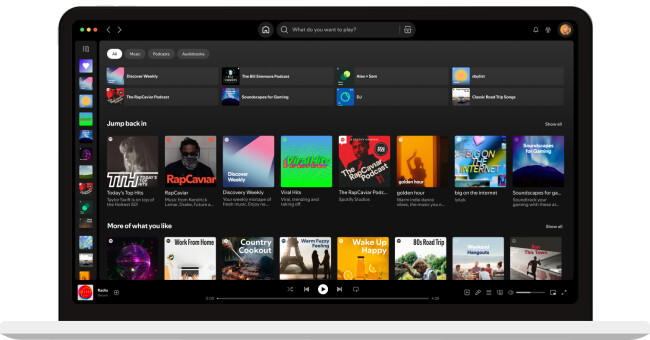
Major brands like Spotify and Apple have adopted this design trend, utilizing bright colors to evoke specific emotions and create memorable user experiences. For instance, Spotify uses vibrant green hues in its interface to create a sense of energy and urgency, driving users to engage with music playlists and recommendations.
How Emerging Technologies Are Shaping Bright Colors and Small Fonts
The use of bright colors and small fonts is enhanced by modern CSS and JavaScript tools, enabling designers to implement dynamic visual effects and create responsive typography.
- CSS Variables and CSS Grid allow for flexible color schemes and typography scaling, ensuring these elements adapt seamlessly to different screen sizes and resolutions.
- AI-driven tools like Uizard can assist designers by suggesting optimal color palettes and font pairings based on brand identity and user engagement data.
Virtual Reality Video Will Go Everywhere

Virtual reality (VR) is set to transform digital experiences by offering immersive and interactive content that goes far beyond traditional video formats. Industries such as real estate and hospitality are already embracing VR to provide virtual tours and interactive environments.
The functional benefits of VR in web design are that it:
- Reduces the need for in-person visits, cutting down on time and travel costs for both businesses and consumers.
- Allows users to engage with content in an entirely new way, experiencing 360-degree video tours of properties, exploring virtual showrooms, or interacting with products before making purchasing decisions.
- Enhances user engagement by offering a deeper connection with the product or service being offered.
- Increases customer satisfaction by offering users a virtual "try-before-you-buy" experience, leading to higher conversion rates and improved user retention.
Companies like Matterport are leading the charge in the VR video industry, especially in the real estate sector. Matterport's platform allows real estate agents to create interactive, 3D walkthroughs of properties, enabling prospective buyers or renters to experience virtual tours from anywhere in the world.
How Emerging Technologies Are Shaping Virtual Reality
- WebVR and WebGL make it easier for web designers to integrate VR experiences directly into websites without the need for specialized software.
- With tools like A-Frame and Three.js, designers can create highly interactive, immersive VR content accessible through a web browser, giving users the ability to explore 3D environments seamlessly.
Voice User Interfaces Will Improve Accessibility

Voice User Interfaces (VUIs) are powered by technologies like natural language processing (NLP) and speech recognition, making these tools an essential medium for users to access online content. For example, the implications of not integrating voice-activated navigation could soon infringe on the ADA regulations, so keep an eye out for how VUI develops in 2026.
Voice-enabled navigation saves time and makes websites more accessible. Particularly for:
- For users who are visually impaired or have limited mobility
- In industries like automotive, healthcare, and e-commerce, VUIs streamline user interaction, allowing for quicker access to information and easier transactions.
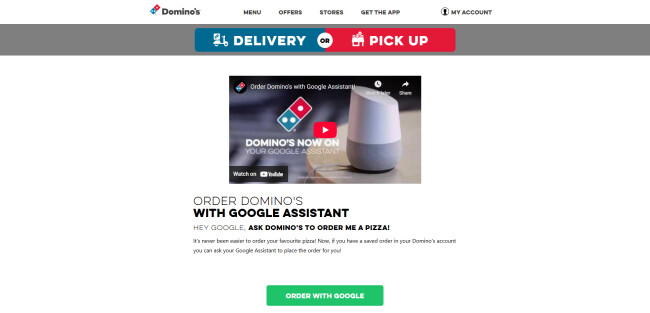
Major companies like Amazon and Apple have already set the standard for voice technology integration. Google Assistant is being integrated into more websites to streamline the browsing experience. Domino’s Pizza, for instance, has integrated Google Assistant to allow customers to order pizza with simple voice commands, enhancing the customer experience and increasing conversion rates.
How Emerging Technologies Are Shaping VUIs
- Google Dialogflow and Amazon Lex are helping designers integrate sophisticated voice navigation systems into websites, allowing users to interact with websites hands-free.
- Web Speech API and Voice AI tools will further enhance VUI capabilities, allowing for more personalized and context-aware interactions. For instance, websites could use voice to not only navigate but also adjust content based on user preferences.
More Humanized Digital Experiences

Users now expect to interact with digital products as they would with another person—expecting empathy, personalization, and authenticity. For designers, this means creating human-like interactions that engage users on an emotional level.
Humanizing digital experiences directly influences user behavior and product loyalty.
- When users feel emotionally connected to a product, they are more likely to return and recommend it to others.
- By focusing on emotional impact and offering personalized interactions, designers can significantly increase user engagement and retention, which ultimately drives business growth.
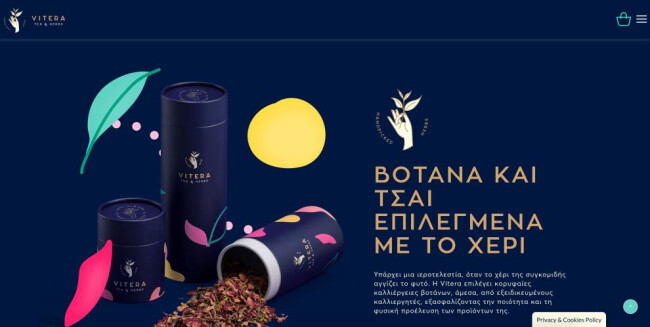
For instance, Vitera’s website, a Greek brand that produces and packages remedial herbal teas, is a prime example of humanizing digital experiences. With personalized content and a tailored user journey, it provides users with an experience that feels more like a personal assistant rather than a faceless platform.
How Emerging Technologies Are Shaping This Trend
- AI-driven tools enable websites to adjust content, product suggestions, and even the tone of interactions based on user behavior and preferences.
- Chatbots and predictive algorithms analyze user data to provide tailored experiences, ensuring that every interaction feels unique and human.
Mobile-First Design Is More Important Than Ever

Mobile-first design ensures that websites are optimized for smaller screens and touch-based navigation. It places mobile user experience at the forefront of the design process, ensuring interfaces are intuitive, responsive, and optimized for touch navigation.
Caleb Bradley, CEO and Founder of Bighorn Web Solutions, highlights the necessity of designing for mobile from day one — not as an afterthought. He adds: "With the majority of web traffic coming from mobile devices, a mobile-first approach is essential. We design with mobile users in mind from the outset, ensuring seamless experiences across all devices.”
Here's how a mobile-first design process typically flows:
- Designers begin by crafting interfaces specifically tailored for smaller screens, focusing on easy-to-use menus, streamlined layouts, and quick-loading content.
- Once the mobile experience is perfected, it is then expanded to larger screens, ensuring consistency and functionality across all devices.
- Features such as sticky navigation, thumb-friendly buttons, and simplified content hierarchies improve usability on mobile devices, ensuring users can easily interact with the site.
This approach not only enhances user experience but also offers significant performance advantages:
- With Google now using mobile-first indexing, mobile-friendly websites are more likely to rank higher in search results.
- Designing for smaller screens first allows developers to implement updates efficiently across all devices, saving both time and resources.
- With mobile users reaching 5.78 billion in January 2025, the importance of mobile-optimized websites continues to grow.
Dynamic Scrolling Becomes Standard
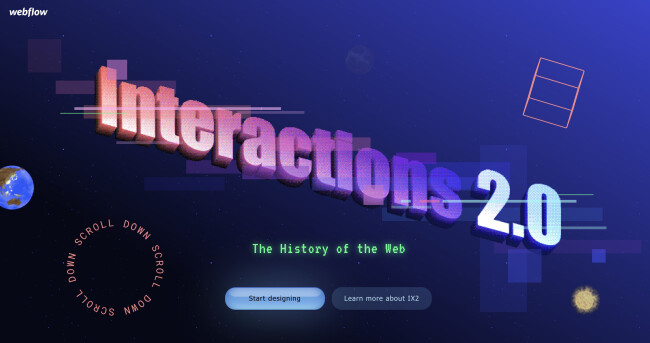
Dynamic scrolling, also known as infinite scrolling, allows website content to load as users scroll down the page, rather than all at once. By progressively loading content, dynamic scrolling:
- Provides a more seamless, fluid, and intuitive experience, improving user engagement and satisfaction.
- Enables users to immerse themselves in the content without interruptions, making browsing more enjoyable and less cumbersome.
- Enhances engagement by providing uninterrupted experience on content-heavy websites where constant content updates are crucial.
One great example of a website that excels in dynamic scrolling is Arte Surfside, which integrates smooth, infinite scrolling to create an immersive experience for users. As visitors explore the site, images, text, and other elements load seamlessly, guiding them through the site without interruptions.
How Emerging Technologies Are Shaping Dynamic Scrolling
Dynamic scrolling is supported by several web technologies that enhance both performance and interactivity.
- Lazy loading delays the loading of non-essential content until the user scrolls to that section. This reduces initial page load times and improves website performance.
- By integrating parallax scrolling and scroll-triggered animations, designers can create a more interactive and engaging experience.
Enriched Interactive Storytelling
Interactive storytelling blends narrative elements with interactive features to engage users in deeper, more meaningful ways. As we move into 2026, we expect to see even more advanced applications of this trend, where websites not only tell a story but also allow users to participate in it.
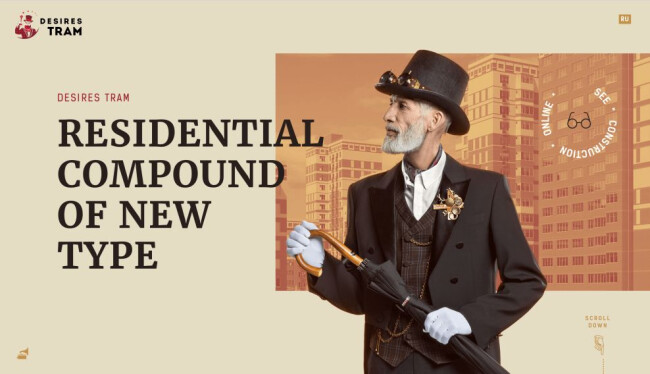
One prime example of a website that excels in interactive storytelling is Desires Tram, a site dedicated to a housing complex in Voronezh, Russia. Instead of creating a corporate site, this brand chose to tell a story about history, heritage, and influence.
The website invites users into a visually rich world where they can engage with the brand’s narrative and explore its history interactively.
How Emerging Technologies Are Shaping Interactive Storytelling
- Virtual reality and augmented reality are enabling websites to take storytelling beyond traditional media by immersing users in 3D environments where they can explore narratives interactively.
- Gamification is another powerful tool. By adding game-like elements — such as quests, challenges, or rewards — designers can turn storytelling into a dynamic, participatory experience.
- Data and machine learning are enabling more personalized storytelling experiences. By analyzing user behavior and preferences, designers can craft narratives that adapt based on individual interaction.
Minimalism and Simplicity Takes Over

Minimalism and simplicity remain timeless trends in web design, focusing on clean, clear layouts that emphasize essential elements while reducing visual clutter.
Minimalist design doesn’t just improve aesthetics; it also enhances website performance and usability:
- By reducing unnecessary elements, minimalist websites load faster and are easier to navigate, which is crucial for maintaining user retention and improving SEO rankings.
- A clean, simple design ensures that users can quickly locate key content, resulting in a more efficient browsing experience.
- Seamless and intuitive experiences that place important features front and center with streamlined navigation options.
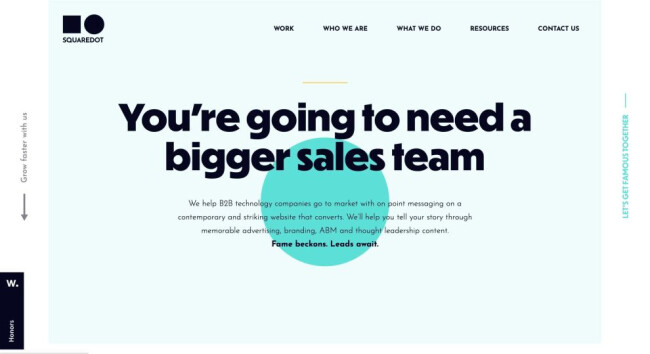
Squaredot, a Dublin-based B2B marketing agency, provides an excellent example of how to use minimalism effectively. The company’s website features a simple, clear layout with concise messaging, making it easy for visitors to navigate the site and understand their services.
Geometric Shapes Define Modern Aesthetics

Geometric shapes and patterns provide a clean, modern aesthetic that enhances visual interest and dynamism. By incorporating precise lines and forms, designers can create websites that feel both structured and engaging.
Geometric shapes are used to enhance both the look and functionality of a website:
- Strategically placed shapes guide users’ focus and improve navigation.
- Clean, geometric patterns convey order and clarity, aligning well with tech-driven brand identities.
- The use of dynamic geometric shapes — such as interactive animations or isometric designs — makes the site feel more alive and responsive, which encourages users to spend more time on the page.
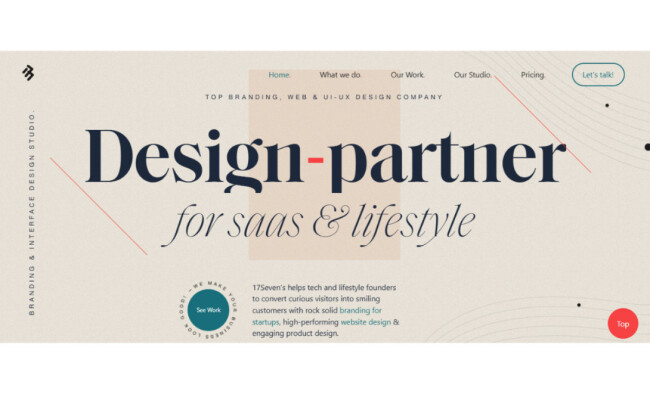
An ideal example of a website that uses modern geometric shapes effectively is 17Seven. It features clean, structured geometric patterns that resonate with tech companies, positioning itself as a cutting-edge and innovative brand.
How Emerging Technologies Are Shaping This Trend
- Isometric design uses three-dimensional shapes and patterns formed by parallel lines, creating the illusion of depth and movement on a flat screen.
- Leveraging CSS3 and WebGL, designers can integrate interactive isometric graphics that respond to user input, making the experience more engaging.
- SVG and canvas-based graphics enable designers to create scalable, high-resolution geometric shapes that work seamlessly across devices.
Web Design Trends: Final Thoughts
As we enter 2026, web design will be shaped by a strong emphasis on UX, mobile optimization, accessibility, and personalization. Websites will evolve with interactive elements, VR, dynamic storytelling, and immersive experiences.
These trends will enable businesses to create engaging, intuitive, and highly personalized digital experiences that meet growing user expectations across devices and platforms.
Given the rapid advancements in technology and design, web designers and developers need to stay up-to-date with emerging trends and best practices to remain competitive.

Our team ranks agencies worldwide to help you find a qualified partner. Visit our Agency Directory for the Top Web Development Companies, as well as:
- Top Backend Development Companies
- AI Web Design Agencies
- Top Front End Web Development Companies
- Top UI/UX Design Agencies
- Top Web Development Companies in Chicago
Our design experts also recognize the most innovative design projects across the globe. Visit our Awards section to see the best in web design.