
Are you seeking a reputable food and beverage marketing agency to promote your F&B brand? Our platform showcases industry-leading food marketing companies proficient in developing digital marketing tactics to amplify your brand's visibility, attract consumers, and boost sales. Navigate our directory to find agencies with stellar client reviews, competitive pricing structures, diverse portfolios, specialized expertise in F&B marketing, convenient locations, and more.
Organic rankings are determined by five factors: top services, reviews, portfolio, awards/press, and team expertise. Sponsored listings pay for a placement that appears above organic positions. Sponsorship does not affect star ratings or review content - read more on our methodology page.
Unlocking Revenue Potential.
We are an ecommerce growth marketing agency that help brands drive more revenue through email marketing, sms marketing, conversion rate optimization, SEO and other innovative marketing strategies...
Top Services:
- Email Marketing
- SEO
- PPC
- eCommerce
- CRO
- Show more
- Location
- Melbourne, Australia
- Number of Employees
- Under 49
- Average Hourly Rate
- $100/hr
- Minimal Budget
- $1,000 - $10,000
Future-Proofing Digital Marketing Agency | Global Industries
Turn Your Wants into Our Wins - Invest in Our All-in-One Marketing Team from $2500/month and you will receive:...
Top Services:
- SEO
- Web Development
- Web Design
- Social Media Marketing
- Advertising
- Show more
- Location
- Ann Arbor, Michigan
- Number of Employees
- Under 49
- Average Hourly Rate
- $24/hr
- Minimal Budget
- $1,000 - $10,000
- Portfolios Count
- 3 Projects Listed
Creative Agency | Brand, Digital, Content
Edition Studios: a creative studio that specializes in creating brands and digital experiences...
Top Services:
- Branding
- Digital Marketing
- Package Design
- Social Media Marketing
- Web Design
- Show more
- Location
- Minneapolis, Minnesota
- Number of Employees
- Under 49
- Average Hourly Rate
- $150/hr
- Minimal Budget
- $10,000 - $25,000
- Portfolios Count
- 14 Projects Listed
Boost Your AMAZON Profits With Ease With Sellozo
Sellozo offers an AI-driven automation platform along with optional fully managed services, all available at flat-fee pricing without the need for long-term contracts. Our platform is designed to streamline operations and optimize performance, providing businesses with flexible and cost-effective solutions...
Top Services:
- PPC
- Digital Marketing
- CRO
- Advertising
- eCommerce
- Show more
- Location
- Kansas City, Missouri
- Number of Employees
- 250 - 499
- Minimal Budget
- $1,000 - $10,000
- Portfolios Count
- 1 Project Listed
Creative Agency for Challenger Brands
Exactly what you hoped your creative agency would be. We create meaningful content for challenger brands that keeps people coming back for more. Our team consists of creatives who understand that a strategy is ever evolving, content creation never ends, and analytics tell us all we need to know...
Top Services:
- Social Media Marketing
- Digital Marketing
- Graphic Design
- Advertising
- Creative Services
- Show more
- Location
- New York City, New York
- Number of Employees
- Under 49
- Average Hourly Rate
- $150/hr
- Minimal Budget
- $10,000 - $25,000
- Portfolios Count
- 8 Projects Listed
Brief Overview: Boost your website authority with powerful link-building services from Stan Ventures. With 15+ years of expertise, they provide high-quality, manual outreach backlinks for sustainable SEO growth...
Top Services:
- Digital Marketing
- SEO
- Content Marketing
- Location
- Chicago, Illinois
- Number of Employees
- 500 - 999
- Average Hourly Rate
- $100/hr
- Minimal Budget
- $1,000 - $10,000
- Portfolios Count
- 5 Projects Listed
The Secret Ingredient of the Worlds Most Captivating Hospitality Brands.
Gourmet Marketing is a full-service agency dedicated to elevating brands in the hotel, travel, and tourism industries. With a comprehensive suite of services including website design, SEO, and targeted advertising. The agency is built to address the complex, evolving needs of hospitality businesses in a...
Top Services:
- Web Design
- Advertising
- Digital Marketing
- PPC
- SEO
- Show more
- Location
- New York City, New York
- Number of Employees
- Under 49
- Portfolios Count
- 5 Projects Listed
We Build Solutions.
We help early stage startups, and small businesses develop digital solutions. We specialise in building bespoke SaaS solutions, workflow integrations, custom internal tools or spinoff products...
Top Services:
- Web Development
- Web Design
- UI/UX Design
- Software Development
- Digital Services
- Show more
- Location
- London, United Kingdom
- Number of Employees
- Under 49
- Average Hourly Rate
- $120/hr
- Minimal Budget
- $10,000 - $25,000
- Portfolios Count
- 5 Projects Listed
The True Creative Email Agency.
2,900 email agencies. What makes one different? The creativity makes them different. And TEA's is the best. Our unique direct-response email campaigns drive better results than the typical approach. That means more awareness for your e-commerce brand, more loyal customers, and a lot more sales...
Top Services:
- Email Marketing
- Digital Marketing
- Location
- Tampa, Florida
- Number of Employees
- Under 49
- Minimal Budget
- $1,000 - $10,000
Bespoke Webflow web design, web development agency in London
We build Webflow, WordPress & Shopify websites that attract visitors, convert traffic to purchases and help people understand your product/service. Every step we take is towards a defined goal - brand awarness & lead generation...
Top Services:
- Web Design
- WordPress Website Design
- Web Development
- eCommerce Development
- SEO
- Show more
- Location
- London, United Kingdom
- Number of Employees
- Under 49
- Average Hourly Rate
- $70/hr
- Minimal Budget
- $1,000 - $10,000
- Portfolios Count
- 12 Projects Listed
Let’s Do Good Together!
Nika transforms companies by designing best-in-class experiences, driven by strong creative and rooted in technology, data, and strategy. We combine these capabilities to create a brand experience that grows businesses and people love...
Top Services:
- Branding
- Web Design
- Digital Services
- Web Development
- WordPress Website Design
- Show more
- Location
- San Jose, California
- Number of Employees
- Under 49
- Average Hourly Rate
- $130/hr
- Minimal Budget
- $25,000 - $50,000
- Portfolios Count
- 8 Projects Listed
Integrated Marketing for Modern Brands
D2 was founded on the premise that successful branding and marketing requires relevant data. Design + Data = D2...
Top Services:
- Design Services
- Graphic Design
- Branding
- Advertising
- Web Design
- Show more
- Location
- Kirkland, Washington
- Number of Employees
- Under 49
- Average Hourly Rate
- $125/hr
- Minimal Budget
- $1,000 - $10,000
- Portfolios Count
- 8 Projects Listed
Your Digital Transformation Partner
We're a digital solutions consultancy focused on providing full-stack MarTech development and implementation services. With extensive experience in MarTech, CRM systems, Web Design, UX/UI, and digital marketing, we provide high-quality bespoke customer experiences that drive long-term value. Contact us today...
Top Services:
- WordPress Website Design
- Web Design
- eCommerce Development
- UI/UX Design
- Web Development
- Show more
- Location
- New York City, New York
- Number of Employees
- Under 49
- Average Hourly Rate
- $250/hr
- Minimal Budget
- $1,000 - $10,000
- Portfolios Count
- 3 Projects Listed
Welcome to Social House. We Make Media Human.
Social House distinguishes itself by centering on three core competencies: Strategy, Creative Content, and Paid Media. Beyond traditional social media and media buying, the company's approach transcends into cultural dialogue, creating strategies that are both inspiring and measurable...
Top Services:
- Content Marketing
- Social Media Marketing
- PPC
- Digital Marketing
- Media Buying
- Show more
- Location
- Los Angeles, California
- Number of Employees
- Under 49
- Average Hourly Rate
- $149/hr
- Minimal Budget
- $10,000 - $25,000
- Portfolios Count
- 10 Projects Listed
Building Brands. Driving Growth.
Udjat Agency is an all-in-one marketing and technology agency providing digital marketing, branding, SEO, web and mobile development, e-commerce, software solutions, and business consulting...
Top Services:
- SEO
- Digital Marketing
- Market Research
- Social Media Marketing
- Graphic Design
- Show more
- Location
- Alexandria, Egypt
- Number of Employees
- 100 - 249
- Average Hourly Rate
- $100/hr
- Minimal Budget
- $1,000 - $10,000
- Portfolios Count
- 30 Projects Listed
Digital Experiences, Re-Imagined.
We pride ourselves on delivering innovative, digital experiences that make an impact. Since 2012, weve proudly partnered with start-ups, SMBs, Fortune 500 companies and everyone in between to unlock value through creativity, technology, and business-minded thinking...
Top Services:
- Web Design
- Web Development
- Branding
- WordPress Website Design
- eCommerce Development
- Show more
- Location
- New York City, New York
- Number of Employees
- 100 - 249
- Average Hourly Rate
- $125/hr
- Minimal Budget
- $25,000 - $50,000
- Portfolios Count
- 4 Projects Listed
Digital Growth Partner Agency since 2006
Netpeak Bulgaria is a full-service Digital Growth Partner Agency focused on site promotion, online advertising, web analytics, usability, consulting, and brand image creation. We dont just popularize the websites of our clients - we are focused on the outstanding promotion of their business...
Top Services:
- Digital Marketing
- SEO
- Email Marketing
- PPC
- eCommerce Development
- Show more
- Location
- Sofia, Bulgaria
- Number of Employees
- 50 - 99
- Average Hourly Rate
- $52/hr
- Minimal Budget
- $1,000 - $10,000
- Portfolios Count
- 1 Project Listed
Beyond ordinary. Unleash your originality with Affinity Collective.
Unleash your originality with Affinity Collective, a Digital and TTL Marketing Agency that uses analytics to inspire creativity. Standard services, extraordinary execution. Digital, BTL, ATL, and Packaging are designed to be Beyond Ordinary...
Top Services:
- Digital Marketing
- Advertising
- Social Media Marketing
- Graphic Design
- Branding
- Show more
- Location
- Sandton, South Africa
- Number of Employees
- Under 49
- Average Hourly Rate
- $45/hr
- Minimal Budget
- $10,000 - $25,000
- Portfolios Count
- 32 Projects Listed
Growing ideas into brands.
Our brand development services focus on three essential components: strategy, storytelling, and design, to grow unique brands that connect with customers...
Top Services:
- Branding
- Web Development
- Content Marketing
- Logo Design
- Design Services
- Show more
- Location
- Orlando, Florida
- Number of Employees
- Under 49
- Average Hourly Rate
- $195/hr
- Minimal Budget
- $1,000 - $10,000
Web Design Malaysia Company in Penang and KL
Zoewebs has more than 14 years of experience in providing one-stop web design and digital marketing solutions. Located in Penang and Kuala Lumpur, but we serve nationwide and INTERNATIONALLY. Our top-notch services include:- Website design and development- Mobile Apps- Digital marketing services...
Top Services:
- Web Design
- Web Development
- Digital Marketing
- Advertising
- Graphic Design
- Show more
- Location
- Perai, Malaysia
- Number of Employees
- Under 49
- Average Hourly Rate
- $35/hr
- Minimal Budget
- $1,000 - $10,000
- Portfolios Count
- 6 Projects Listed
Your Trusted Marketing and PR Partner
We are your all-in-one solution for crafting success in the digital landscape. Whether you're looking to boost your brand's online presence with PR and advertising, capture attention with outdoor and magazine ads, secure top-tier media coverage and featured articles, or tap into the power of influencer...
Top Services:
- Public Relations
- Reputation Management
- Digital Marketing
- Content Marketing
- Social Media Marketing
- Show more
- Location
- Lewes, Delaware
- Number of Employees
- Under 49
- Average Hourly Rate
- $200/hr
- Minimal Budget
- $1,000 - $10,000
- Portfolios Count
- 4 Projects Listed
Creative Gone Good
Vermilion is a branding and marketing B Corp agency in Boulder, Colorado, with over 45 years of experience supporting purpose-driven organizations...
Top Services:
- Branding
- Web Development
- WordPress Website Design
- Market Research
- Content Marketing
- Show more
- Location
- Boulder, Colorado
- Number of Employees
- Under 49
- Portfolios Count
- 10 Projects Listed
Top Paid Media & Performance Marketing Agency. We Develop Measurable Success.
HK Digital helps eCommerce brands grow with expert Paid Media, Search, and Social strategyplus advanced reporting, analytics, and Slack KPI alerts...
Top Services:
- Digital Marketing
- Media Buying
- eCommerce
- PPC
- Social Media Marketing
- Show more
- Location
- Chicago, Illinois
- Number of Employees
- Under 49
- Portfolios Count
- 1 Project Listed
Providing all kind of DIgital Marketing services and Transforming it from Small scale to Large Scale
We are a boutique digital marketing agency based in Mumbai, offering comprehensive digital marketing solutions tailored to our client's needs...
Top Services:
- Digital Services
- Graphic Design
- Video Production
- Branding
- Design Services
- Show more
- Location
- Mumbai, India
- Number of Employees
- Under 49
- Average Hourly Rate
- $9999/hr
- Minimal Budget
- $1,000 - $10,000
We Create Your Success!
Full-stack creative studio dedicated to creating quality and authentic web | design | marketing solutions, without classic agency frameworks, always responsive and full of ideas...
Top Services:
- Graphic Design
- Web Design
- Creative Services
- Digital Marketing
- Mobile App Development
- Show more
- Location
- Belgrade, Serbia
- Number of Employees
- Under 49
- Minimal Budget
- Under $1,000
- Portfolios Count
- 23 Projects Listed
AI Powered Digital Agency
You choose 10turtle to build digital confidence, clarity, and conversions partnering with a team that knows your digital presence should work harder. Nothing more, nothing less...
Top Services:
- Logo Design
- Graphic Design
- Web Design
- UI/UX Design
- Web Development
- Show more
- Location
- Surat, India
- Number of Employees
- 50 - 99
- Average Hourly Rate
- $100/hr
- Minimal Budget
- $1,000 - $10,000
- Portfolios Count
- 8 Projects Listed
We Help Scaling and Growth Centric Companies Get More Customers & Revenue
Measure Marketing Results Inc. is a full-service digital marketing agency. They provide SEO Services, AI Search Engine Optimization Services, PPC Management Services, Social Media Services, Web Design Services, and more. Contact us today to get your free strategy audit!...
Top Services:
- Social Media Marketing
- Digital Marketing
- Digital Services
- Digital Strategy
- Web Design
- Show more
- Location
- Toronto, Canada
- Number of Employees
- 50 - 99
- Minimal Budget
- $1,000 - $10,000
Your Trusted Partner In Creating And Executing Media Buying Strategies
Vision Media is the largest independent media buying agency in the Pacific Northwest, with over 20 years of experience working with national clients like Coca-Cola, Camping World, Banner Health, and other financial services, healthcare, senior services, CPG, sports, and hospitality brands...
Top Services:
- Media Buying
- Advertising
- Digital Marketing
- PPC
- Digital Strategy
- Show more
- Location
- Mercer Island, Washington
- Number of Employees
- Under 49
- Portfolios Count
- 5 Projects Listed
We help senior leaders hit their ecommerce goals.
We help senior leaders hit their ecommerce goals...
Top Services:
- eCommerce
- Market Research
- Business Consulting
- CRO
- Branding
- Show more
- Location
- Mount Pleasant, South Carolina
- Number of Employees
- Under 49
- Portfolios Count
- 11 Projects Listed
Unlock Your eCommerce Potential.
Swanky is a full-service Shopify Plus agency with offices in the UK, Australia and France. We help our clients replatform to best-in-class technology, then grow their business through strategic long-term support...
Top Services:
- Web Design
- Digital Marketing
- SEO
- eCommerce
- Content Marketing
- Show more
- Location
- Exeter, United Kingdom
- Number of Employees
- 50 - 99
- Average Hourly Rate
- $1000/hr
- Minimal Budget
- $1,000 - $10,000
- Portfolios Count
- 28 Projects Listed
IT Services and IT Consulting
Pranshtech Solutions Pvt Ltd. is a global, full-service IT solution company specializing in web, mobile apps, software, AI/ML, UI/UX, and QA services. We specialize in delivering cutting-edge technology services and solutions tailored to meet the unique needs of businesses across various industries...
Top Services:
- Web Development
- Software Development
- Web Design
- Graphic Design
- Digital Marketing
- Show more
- Location
- Michigan, North Dakota
- Number of Employees
- 50 - 99
- Average Hourly Rate
- $30/hr
- Minimal Budget
- $1,000 - $10,000
- Portfolios Count
- 4 Projects Listed
Digital Marketing To Drive Our Client's Growth | Creative Intelligence Changes Our Results
CICOR Marketing is a full service digital marketing agency that takes a comprehensive approach to increasing online exposure, improving customer acquisition, and helping businesses increase revenue and profits. We can improve existing marketing campaigns or design a comprehensive marketing strategy from...
Top Services:
- Branding
- Web Design
- eCommerce Development
- Web Development
- SEO
- Show more
- Location
- Tampa, Florida
- Number of Employees
- Under 49
- Average Hourly Rate
- $100/hr
- Portfolios Count
- 12 Projects Listed
Custom Websites, Web Apps, and Software
Ajroni is a full-service web design, web development, app development, SEO, and digital marketing agency developing custom, SEO-optimized and mobile-responsive websites and apps that drive traffic, sales, and business growth. Top-rated on Google & Clutch for delivering quality results...
Top Services:
- Web Design
- Web Development
- Digital Marketing
- eCommerce Development
- WordPress Website Design
- Show more
- Location
- West Palm Beach, Florida
- Number of Employees
- Under 49
- Average Hourly Rate
- $150/hr
- Minimal Budget
- $1,000 - $10,000
- Portfolios Count
- 15 Projects Listed
We are the digital agency devoted to collaboration and client success. Many minds; one vision.
From the ambitious start-ups to the big established businesses, we really care about the people we work with. We want to see them succeed, so we give them our best every time...
Top Services:
- Web Development
- Branding
- Video Production
- Digital Services
- Print Design
- Show more
- Location
- Sheffield, United Kingdom
- Number of Employees
- Under 49
- Average Hourly Rate
- $130/hr
- Minimal Budget
- $10,000 - $25,000
- Portfolios Count
- 25 Projects Listed
A New Generation Digital Agency..
The leading Digital Marketing Agency in Cyprus and abroad, offering Website Design and Development, Social Media Marketing, SEO, Content Creation and more. Who are we? We are experienced web architects who help businesses solve their problems and grow in the digital world. Ruxbo engages in all online...
Top Services:
- Web Design
- Web Development
- eCommerce Development
- WordPress Website Design
- Digital Strategy
- Show more
- Location
- Nicosia, Cyprus
- Number of Employees
- Under 49
- Average Hourly Rate
- $70/hr
- Minimal Budget
- Under $1,000
- Portfolios Count
- 30 Projects Listed
Practical AI. Hands-on experience.
The gap between AI ambition and AI value is execution. Globaldev combines AI transformation consulting, practical AI expertise, and hands-on delivery to define what makes sense, implement what works, and scale it across your organization, wit...
Top Services:
- Web Development
- UI/UX Design
- Software Development
- Mobile App Development
- Software Testing
- Show more
- Location
- Warszawa, Poland
- Number of Employees
- 250 - 499
- Average Hourly Rate
- $50/hr
- Minimal Budget
- $25,000 - $50,000
- Portfolios Count
- 26 Projects Listed
Marketing Agency That Blends Creative Branding With Emotional Advertising.
Sagon-Phior is a full-service creative agency specializing in emotional marketing and brand growth...
Top Services:
- Digital Marketing
- Web Design
- Package Design
- SEO
- Design Services
- Show more
- Location
- Los Angeles, California
- Number of Employees
- Under 49
- Average Hourly Rate
- $200/hr
- Minimal Budget
- $10,000 - $25,000
- Portfolios Count
- 12 Projects Listed
D2C eCommerce Agency specializing in Consumer Goods on Shopify and Woocommerce
We help ecommerce brands scale online. Using our proven process, we craft digital marketing strategies that scale customer acquisition, conversion and retention, allowing clients to focus on their business while we implement the right systems for success...
Top Services:
- Email Marketing
- SEO
- eCommerce
- Digital Marketing
- CRO
- Show more
- Location
- Naperville, Illinois
- Number of Employees
- Under 49
- Average Hourly Rate
- $250/hr
- Minimal Budget
- $1,000 - $10,000
- Portfolios Count
- 5 Projects Listed
We build your brand. All the time, anytime.
Mixed Handed Branding is a boutique branding and marketing agency that uses a consultive approach to finding solutions for your businesses unique needs...
Top Services:
- Digital Services
- Web Design
- Graphic Design
- Branding
- SEO
- Show more
- Location
- Eugene, Oregon
- Number of Employees
- Under 49
- Average Hourly Rate
- $100/hr
- Minimal Budget
- $1,000 - $10,000
- Portfolios Count
- 8 Projects Listed
We create stories that work.
Super Agency is an independent agency that helps companies develop digital marketing and communication projects. We are born digital,but we also move agilely in different contexts, online/offline, both in Italy and abroad. We like to create beautiful and sensible contentthat brings real (and sincere)...
Top Services:
- Digital Marketing
- Content Marketing
- Social Media Marketing
- Email Marketing
- WordPress Website Design
- Show more
- Location
- Castelfranco Veneto, Italy
- Number of Employees
- Under 49
- Average Hourly Rate
- $70/hr
- Minimal Budget
- $10,000 - $25,000
- Portfolios Count
- 4 Projects Listed
Drink With Your Eyes®
For 50 years, CF Napa Brand Design has set the standard in the drinks industry. Under the leadership of Owner & Creative Principal David Schuemann for the past 24 years, we have developed and restaged countless brands through story, packaging, and visual ethos...
Top Services:
- Package Design
- Branding
- Graphic Design
- Web Design
- Logo Design
- Show more
- Location
- Napa, California
- Number of Employees
- Under 49
- Portfolios Count
- 24 Projects Listed
Marketing & Creative Agency
We're ThinkRaven, a marketing and creative agency. We strategize, make videos, and run ads for consumer brands, at every stage of the buyer's journey, globally and at scale...
Top Services:
- Video Production
- Creative Services
- Video Marketing
- Design Services
- Web Design
- Show more
- Location
- Austin, Texas
- Number of Employees
- Under 49
- Average Hourly Rate
- $150/hr
- Minimal Budget
- $10,000 - $25,000
- Portfolios Count
- 4 Projects Listed
Design Meets Intelligence
Custom websites, growth marketing, and AI systems for expert-led service businesses. Built to get found, build credibility, and win qualified clients. You work directly with the founders who design, build, and implement everything...
Top Services:
- Web Design
- Web Development
- AI Development
- Digital Marketing
- PPC
- Show more
- Location
- Panama City, Panama
- Number of Employees
- Under 49
- Average Hourly Rate
- $100/hr
- Minimal Budget
- $1,000 - $10,000
- Portfolios Count
- 1 Project Listed
Best Digital Marketing Agency in Bangladesh
Marketing Bee represents a comprehensive, creative digital agency, boasting a multifaceted team comprised of seasoned strategists, proficient designers, adept developers, and seasoned marketing experts. Our scope of expertise spans the full spectrum of creative services, ranging from corporate identity to the...
Top Services:
- Branding
- Graphic Design
- Social Media Marketing
- SEO
- Digital Marketing
- Show more
- Location
- Chattogram, Bangladesh
- Number of Employees
- 50 - 99
- Average Hourly Rate
- $25/hr
- Minimal Budget
- Under $1,000
- Portfolios Count
- 26 Projects Listed
Brands Aligned. Workforces Transformed.
Evviva is a San Francisco-based brand agency specializing in technology, energy, financial services and startups. We build powerful brands that make people take notice and take action...
Top Services:
- Branding
- Web Development
- WordPress Website Design
- Digital Marketing
- Show more
- Location
- San Francisco, California
- Number of Employees
- Under 49
- Average Hourly Rate
- $200/hr
- Portfolios Count
- 9 Projects Listed
We do what we love and help you do what you love.
We're a boutique digital marketing agency that gets straight to the point. We work with any budget, big or small, to deliver results. No fluff, no unnecessary jargon, just effective and tailored strategies to enhance your brands digital presence. Whether you're a small startup or a growing enterprise, we're...
Top Services:
- Graphic Design
- Branding
- Web Design
- Digital Marketing
- SEO
- Show more
- Location
- Richmond Hill, Georgia
- Number of Employees
- Under 49
- Minimal Budget
- $1,000 - $10,000
- Portfolios Count
- 6 Projects Listed
Social Media Management & Content Creation Agency
Max DiNatale Digital Marketing provides a range of digital marketing solutions to build brands and customer bases. His services include management of both paid and organic social media, content creation, social advertisements and Google Ads. Max provides expert advice to ensure clients reach their target...
Top Services:
- Social Media Marketing
- Content Marketing
- Digital Marketing
- PPC
- Video Production
- Show more
- Location
- Greenville, South Carolina
- Number of Employees
- Under 49
- Minimal Budget
- $1,000 - $10,000
- Portfolios Count
- 4 Projects Listed
Amplifying Brands, Elevating Success.
AMP It Up PR is an award-winning agency specializing in innovative PR, digital marketing, branding and influencer campaigns. With a proven track record of amplifying brand visibility and driving measurable success, we deliver tailored strategies to help businesses thrive in competitive markets...
Top Services:
- Digital Services
- Public Relations
- Digital Strategy
- Design Services
- Branding
- Show more
- Location
- Toronto, Canada
- Number of Employees
- Under 49
- Average Hourly Rate
- $150/hr
- Minimal Budget
- Under $1,000
In a world of dull B2B tech content tell stories your audience actually cares about.
Videos that make your audience jump and scream, "Oh sh**, they get us!"Black Rabbit is a B2B video marketing agency working with SaaS brands to help them create content that their audience actually cares about...
Top Services:
- Creative Services
- Video Production
- Video Marketing
- Advertising
- Business Consulting
- Show more
- Location
- Warsaw, Poland
- Number of Employees
- Under 49
- Minimal Budget
- $25,000 - $50,000
- Portfolios Count
- 10 Projects Listed
Creative agency I Based in LA & Miami
Based on insights and a 360-degree branding experience, we strategize for companies to position them on new platforms in order to meet the objectives of our clients...
Top Services:
- Branding
- Digital Services
- Digital Marketing
- Social Media Marketing
- Web Development
- Show more
- Location
- Los Angeles, California
- Number of Employees
- Under 49
- Average Hourly Rate
- $50/hr
- Minimal Budget
- $1,000 - $10,000
- Portfolios Count
- 18 Projects Listed
























Explore Digital Marketing Specializations
- Account Based Marketing
- AI Marketing
- Amazon
- App Marketing
- Automotive
- B2B
- B2B Lead Generation
- B2C
- Beauty Marketing
- Chatbot Marketing
- Construction Marketing
- Crypto Marketing
- Cybersecurity Marketing
- Dental
- Digital Advertising
- Digital Media
- DTC Marketing
- Education
- Entertainment Marketing
- Fashion
- Financial
- Fintech
- Government
- Growth Marketing
- Healthcare
- Higher Education Marketing
- Hospitality Marketing
- Inbound Marketing
- Insurance Marketing
- Integrated Marketing
- Lead Generation
- Legal
- Loyalty Programs
- Luxury
- Manufacturing Marketing
- Marketing Analytics
- Marketing Strategy
- Martech
- Multicultural Marketing
- Music Marketing
- NFTs
- Nonprofit
- Performance Marketing
- Property Management Marketing
- Restaurants
- SaaS Marketing
- SEM
- Shopify Marketing
- Shopper Marketing
- Small Business
- SMS Marketing
- Sport
- Startup
- Travel
- Viral Marketing
- Web3 Marketing
Popular Services

Why companies trust DesignRush
Every agency is independently vetted before it can be listed or ranked
 4.8
4.8 4.8
4.8Some agencies pay for sponsored placement, clearly labeled and held to the same vetting standards.
Food and Beverage Marketing Agency Hiring Guide
What is a food and beverage marketing agency?
A food and beverage marketing agency is a specialized agency that creates and implements marketing strategies for products within the food and drinks sector. It works with food and beverage (F&B) companies, restaurants, cafes, bars, and other related businesses to develop effective marketing campaigns that increase brand awareness, drive sales, and engage consumers.
The F&B global market size is projected to reach $7,464.2 billion in 2027. This indicates a 5.9% CAGR growth, underscoring the importance of using food and beverage marketing agencies' services to capture target audiences.
Food marketing companies typically address a range of specific client needs, which can vary depending on the nature of the business, its goals, and the market conditions. Here are some common challenges they may encounter:
- Diverse audience targeting and segmentation: F&B businesses cater to diverse customers with varying tastes, preferences, purchasing behaviors, and dietary restrictions. Food marketing agencies understand these nuances, so they create targeted campaigns that appeal to the different segments of F&B markets.
- Brand loyalty: Building and maintaining brand loyalty is crucial in the food and beverage industry, mainly because these commodities are staples in people's lives. Agencies can strategically brand and market products to ensure customers purchase them and return for repeat business in the long run. By crafting compelling brand narratives and experiences, specialized firms foster strong connections with consumers, encouraging ongoing loyalty and sustained engagement with the brand.
- Product launches and promotion: When introducing a new product line or flavors, brands need effective strategies to generate buzz and sales. Food and beverage marketing firms develop comprehensive launch plans, including advertising campaigns, social media strategies, and promotional events to attract attention and create demand.
- Seasonality: Many food and beverage products have seasonal variations in demand. Agencies develop strategies to capitalize on peak seasons and mitigate the effects of slower periods.
- Regulatory compliance: This is essential for maintaining consumer trust and avoiding legal issues. F&B marketing agencies guide regulatory requirements and ensure that product packaging and labeling adhere to relevant standards, especially regarding health claims, trade measurements, and nutritional information.
- Supply chain management: This is critical to ensure product quality and availability. Professional agencies optimize supply chain processes, assist in coordinating with suppliers, and minimize disruptions to production and distribution.
- Sustainability and corporate responsibility: More and more consumers seek brands that are committed to environment-friendliness and other similar advocacies. They are even willing to pay a higher price for products in eco-friendly packaging. Food and beverage marketing companies help clients develop eco-friendly initiatives, communicate their efforts to consumers, and build a positive brand reputation.
What services do food and beverage marketing companies provide?
Food and beverage marketing companies provide the following services:
- Branding and identity: Developing brand names, logos, and packaging designs within a cohesive brand identity to create a strong and memorable image for the product
- Market research: Conducting industry and competitor research to understand consumer preferences, trends, and behaviors, which helps in developing effective marketing strategies
- Advertising: Creating and executing ad campaigns on television, radio, print, digital, and social media to reach target audiences and increase brand awareness
- Content creation: Producing engaging content, such as blog posts, videos, recipes, and tutorials designed to educate consumers, build brand loyalty, and drive engagement
- Digital Marketing: Using online channels such as websites, social media platforms, email, and search engine optimization (SEO) to engage with consumers, drive traffic, and generate leads
- Public relations: Managing media relations, press releases, events, and influencer partnerships to enhance brand reputation and generate positive publicity
- Product launches: Planning and executing strategies to introduce new products or expand existing product lines
- Packaging design: Ensuring product packaging is visually appealing, functional, and effectively communicates the product's value proposition
- Promotions and discounts: Developing promotional campaigns, coupons, discounts, and loyalty programs to incentivize purchases and drive sales
- Retail support: Providing support to retail partners with in-store promotions, displays, and merchandising to enhance product visibility and sales
- Market entry strategy: Assisting food and drinks businesses in entering new markets, whether domestic or international, by providing market analysis, regulatory compliance support, and distribution strategies
We can see an example of food marketing in Major Tom’s case study:
MadeGood, a food brand, sought assistance from food marketing company to extend its reach to the US and Canada. The company struggled to customize marketing and keep its campaigns consistent.
Major Tom designed a solution based on dynamic, automatic email flows driven by user actions on the website. It also revamped newsletter campaigns to include product-of-the-month highlights, sales promotions, and lifestyle content, thus providing value to recipients. The agency expanded MadeGood's subscriber base by conducting A/B tests to optimize content and improve open and click rates.
After Major Tom's food and beverage marketing initiatives, email campaigns drove 26% of Canadian revenue and a 316% increase in US eCommerce revenue. Email campaigns accounted for 28% of US eCommerce revenue on Black Friday and Cyber Monday.
How much do food and beverage marketing services cost?
On average, food & beverage marketing services cost from $80 to $200 per hour.
Here's a breakdown of the marketing costs in F&B:
- SEO: $1,500 to $5,000 per month
- PPC advertising: up to $10,000 per month
- Email marketing: $500 to $5,000 per month
- Content marketing: $2,000 to $10,000 per month
- Social media marketing: $1,000 to $20,000 per month
Ultimately, the fees will depend on these factors:
- Services rendered
- Agency's location
- Competition
- Timeline for generating desired results
- Current strategies implemented and search engine ranking
- Website performance
Why should I hire a food and beverage marketing company?
You should hire a food and beverage marketing company because it offers specialized expertise to effectively target and engage your specific audience. It can enhance your brand's visibility, drive sales, and keep you ahead of market trends and consumer preferences, ultimately helping your business grow in a competitive industry.
Some of the advantages you will gain include:
- Expert strategies: Building effective promotional strategies specific to the food and beverage sector based on a deep understanding of varied consumer tastes, preferences, diets, cultures, consumer behaviors, and market trends
- Cost-effective solutions: Providing access to specialized skills and resources without the overhead costs of employing an in-house marketing team
- Focus on core business: Freeing up resources so your team can concentrate on core business operations, including product development and customer service
- Measurable results: Employing advanced analytics tools that deliver real-time feedback to measure marketing campaign performance
- Adaptability: Adjusting current marketing strategies based on changes in market conditions to ensure that your brand remains relevant and competitive
- In-depth understanding of trends: Staying up-to-date with the latest industry trends, health concerns, sustainable sourcing, and clean-label ingredients
- Menu development and presentation support: Creating appealing menus via item categorization, effective layouts, typography, imagery, and proper product placement to positively influence consumers' purchasing decisions
- Local market knowledge: Offering insights into regional tastes, cultural nuances, and purchasing habits for specific geographical areas
- Regulatory compliance: Complying with strict guidelines governing labeling, advertising, and product claims, thereby reducing the risk of fines or legal issues
- Seasonal promotions: Developing seasonal campaigns that bank on holidays, special events, and industry fads to increase customer engagement
- Industry relationships: Using connections with food suppliers, distributors, manufacturers, restaurants, and retailers to negotiate favorable terms, secure prominent product placement, and expand distribution outlets
A case study published by the food marketing company Wildfire illustrates the reasons for enlisting professional marketing services.
Lowes Foods, an NC-based grocery chain, approached Wildfire to assist in inviting more people to check out its chicken offerings and the accompanying sides. Wildfire conducted extensive consumer research and developed a comprehensive brand identity for the Chicken Kitchen concept. It also created point of sale (POS) materials and environmental packaging design for a dynamic in-store buyer experience.
As a result, the chicken shopping consumer journey became livelier and more engaging. Through unique signage, new packages, and sensory experiences, Chicken Kitchen became the go-to destination for chicken enthusiasts. Wildfire's efforts yielded a 120% surge in Lowes Foods' chicken sales.
How do I choose the best food and beverage marketing agency for my business?
To choose the best food and beverage marketing agency for your business follow these steps to ensure you find a partner that aligns with your brand, goals, and budget:
- Define your goals and assess your budget: Clearly outline your marketing objectives. Determine what you want to achieve with the help of an F&B marketing firm. Is it to increase brand awareness and sales, launch a new product, or improve your online presence? You must also determine how much you're willing to invest in these services.
- Research agencies: Look for marketing agencies that specialize in food and drinks and list those that stand out to you.
- Look into expertise and services: Assess the expertise and services offered by each agency. Do they have experience with branding, digital marketing, social media management, influencer marketing, packaging design, or other relevant areas? Choose an agency that offers the services you need to meet your marketing goals.
- Review portfolios and case studies: Evaluate each agency's portfolio and case studies to understand its past work and successes. Look for specific experience in the food and beverage industry and examples of campaigns or projects similar to what you want to achieve.
- Check client reviews: Read verified reviews online. You can also request references from past or current clients to get firsthand insights into each agency's performance, communication style, and results.
- Submit RFPs and interview invitations: Trim your list to five prospective partners. Communicate with them to discuss the possibility of collaborating, send a request for proposal (RFP), and schedule interviews.
- Meet with potential partners: Discuss your project and the proposals during the interview. Learn more about their specific approach, strategies, and team expertise. Use this opportunity to ask questions and gauge their experience and compatibility with your brand.
- Evaluate and hire: Based on your assessment of the proposals and interviews, make a final decision, negotiate the terms, and enter into a mutually beneficial agreement.
DesignRush can facilitate your search for the ideal food marketing company — for free. Share your project details via our Marketplace and we'll connect you with the most competent agencies.
How do I find the best food and beverage marketing agency on DesignRush that fits my budget?
When exploring F&B-focused marketing firms on DesignRush, you can use the filter feature to prioritize agencies with the lowest hourly rates or minimum budgets. You can also sort them according to country, state, city, or region.
What are the key success metrics in food and beverage marketing campaigns?
Key success metrics in food and beverage marketing campaigns vary depending on the specific objectives. The most common ways to measure success are as follows:
- Sales revenue: Indicating the effectiveness of the marketing campaign in driving consumer interest and completed purchases
- Return on investment (ROI): Determining profitability by comparing the revenue generated against the costs incurred in executing the campaign
- Brand awareness: Boosting brand recall, recognition, perception, and visibility
- User engagement: Encouraging interactions with the brand as shown through website traffic, content performance, and email open rates
- Customer acquisition and retention: Attracting new customers and maintaining loyalty among existing ones
- Market share: Gauging the campaign's impact on the business's position relative to competitors
- Social media metrics: Growing the number of followers, engagement rates, reach, and impressions on social media platforms
- In-store traffic and conversions: Boosting foot traffic to physical stores and converting shoppers into buyers
What questions should I ask before hiring a food and beverage marketing company?
Its Relevant Background
- How long has the company operated in the food and beverage marketing industry?
- What specific experience does the company have in marketing food and beverage products?
- Can you provide examples of successful campaigns or projects you've executed in the food and beverage sector?
- What is your understanding of current trends and challenges in the food and beverage industry?
- How do you stay updated with industry regulations and standards changes?
- What resources or tools do you use to conduct market research and analysis in the food and beverage sector?
- Have you worked with businesses similar in size and scope to ours within the food and beverage industry?
Company Services and Processes
- How do you develop marketing strategies and campaigns for food and beverage clients?
- Can you outline the typical timeline for executing a food and beverage product marketing campaign?
- What metrics do you use to measure the success of your marketing efforts in the food and beverage industry?
- What is the most important marketing tool of any restaurant?
- How do you ensure marketing strategies align with our brand identity and objectives in the food and beverage market?
- Can you explain your approach to budgeting and pricing for food and beverage marketing services?
The Project
- Can you provide a detailed breakdown of the proposed strategies for our project?
- What platforms and channels do you recommend for reaching our target market with our products?
- What is your process for ensuring compliance with advertising regulations and standards for food and drinks?
- How do you plan to integrate digital marketing strategies with traditional marketing for our food and beverage products?
- How do you adapt tactics based on performance data and feedback throughout the project?
What are the best food and beverage marketing agencies in the US?
The best food and beverage marketing agencies in the US are:
- Crafted
- 4.3 stars on DesignRush (1 review)
- 3.7 stars on Google (3 reviews)
- Top clients: NBC, New York Times, Works Gallery, Revolt TV
- Tinsley Advertising
- 4.7 stars on Google (3 reviews)
- Top clients: The Florida Keys & Key West, Karisma Hotels & Resorts, Rainforest Flow, Don't Feed Wild Dolphins
- Forge Digital Marketing
- 4.6 stars on Google (29 reviews)
- Top clients: Yellow CBD, Happy Hemp, Itzy Ritzy, Factor 75
- Gluttonomy
- 4.5 stars on Google (4 reviews)
- Top clients: San Pellegrino, Nestlé, Perrier, Acqua Panna
- Matato
- 4.0 stars on Google (3 reviews)
- Top clients: Krusteaz Pro Stay Kurious, Bellarico, SunButter
Latest Trends Related to Food and Beverage Digital Marketing
Digital Marketing
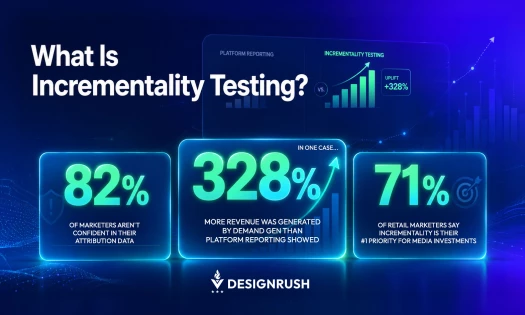
What Is Incrementality Testing? The Most Reliable Way to Measure Marketing Impact
517